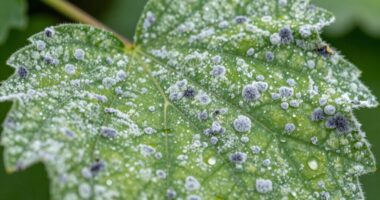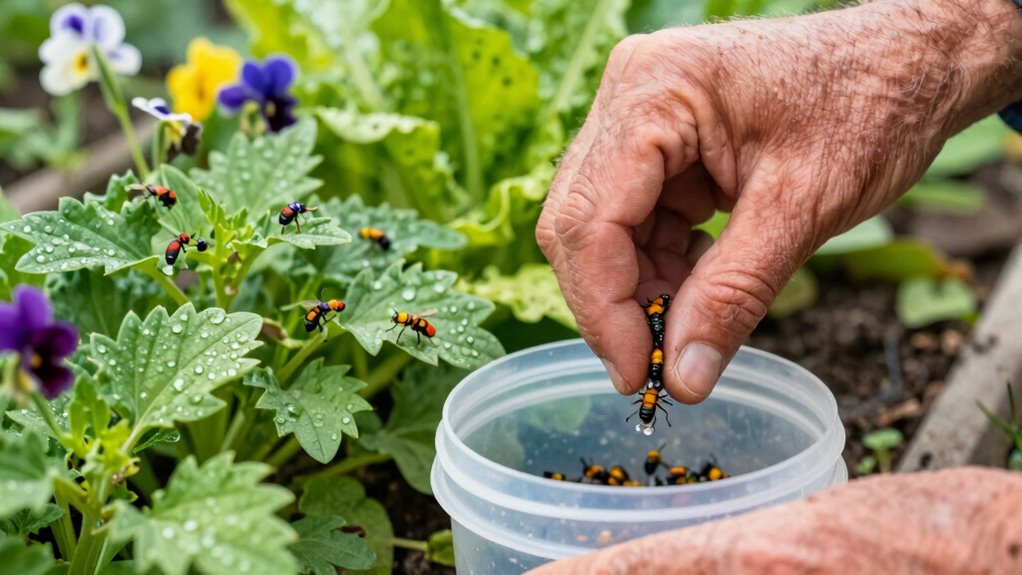

To release beneficial insects without wasting money, focus on choosing native species suited to your pests and environment. Time releases during early morning or late evening when insects are more active and avoid harsh weather. Monitor pest levels closely to determine the right amount to release and avoid overapplication. Use habitat improvements like flowering plants to support insect survival. Keep track of results and adjust as needed; there’s more to ensuring cost-effective pest control ahead.
Key Takeaways
- Time releases during early morning or late evening to improve insect survival and reduce waste.
- Match release timing with pest activity and environmental conditions for maximum effectiveness.
- Release insects near pest hotspots or along crop borders to target pests efficiently.
- Regularly monitor pest levels and adjust release frequency to avoid over- or under-application.
- Create a supportive environment with nectar sources and habitat diversity to enhance insect survival and reduce costs.

3000 Live Ladybugs – (2 X 1500 Live Ladybugs) – Guaranteed Live Delivery!
- Educational Sheet Included: Ladybug tips and fun facts included
- Indoor and Outdoor Use: Suitable for both environments
- Natural Pest Control: Feeds on various garden pests
As an affiliate, we earn on qualifying purchases.
As an affiliate, we earn on qualifying purchases.
How to Choose the Best Beneficial Insects for Pest Control
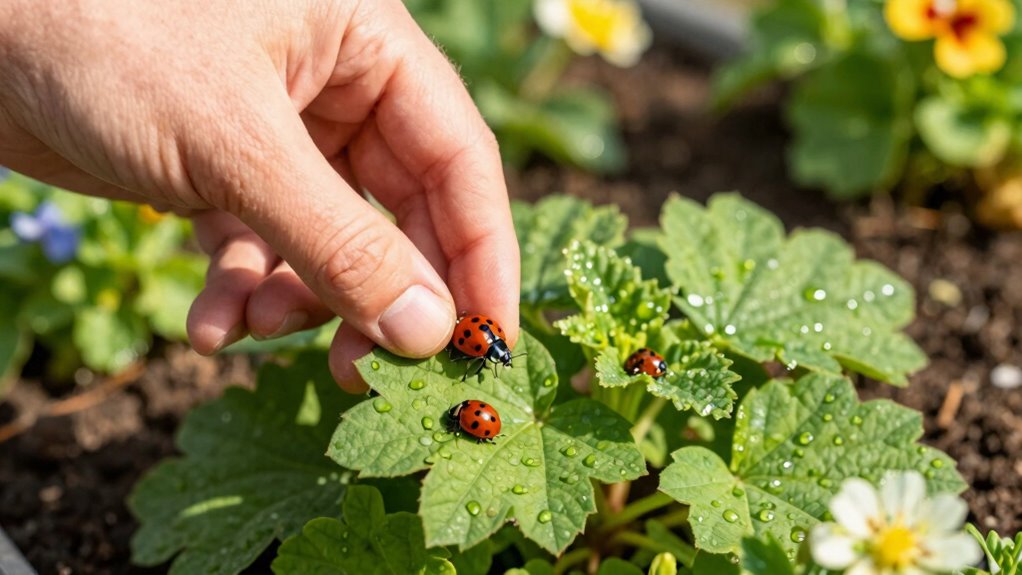
Choosing the right beneficial insects for pest control depends on identifying the specific pests you want to target. Start by understanding native species, as they’re adapted to your local environment and tend to thrive naturally. Native beneficial insects often have habitat preferences that match your landscape, making them more effective and easier to maintain. For example, some predatory insects prefer grassy areas, while others thrive near flowering plants. Research which beneficial insects are naturally present in your region and suitable for your pest problems. By selecting insects that align with your habitat preferences, you increase the chance of successful pest control without disrupting the ecosystem. Understanding native species and their role in the environment can help you make more informed decisions. This targeted approach ensures you choose the most effective, sustainable options for your garden or farm.
How Releasing Beneficial Insects Saves You Money
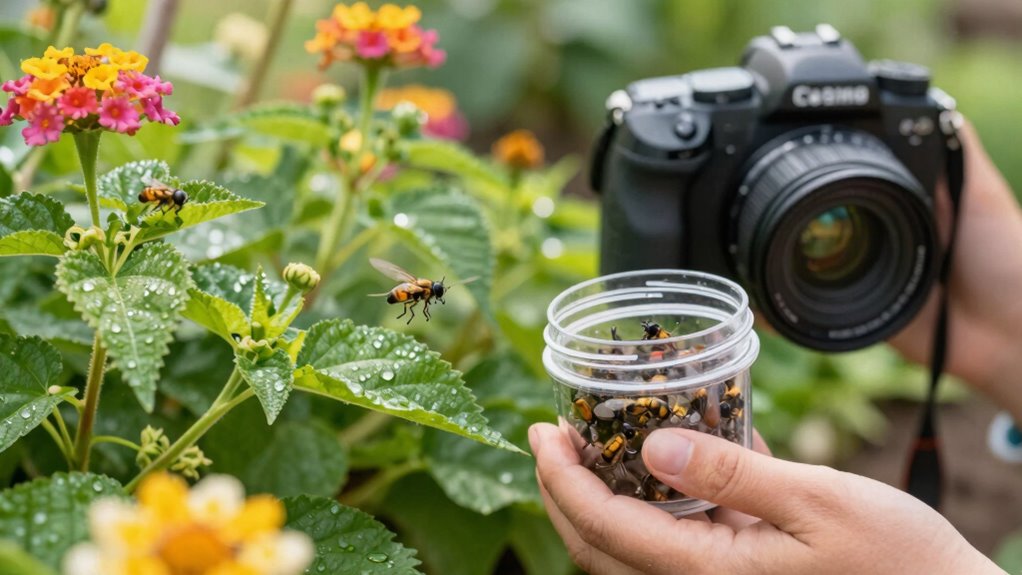
Releasing beneficial insects can substantially cut your chemical expenses by reducing the need for pesticides. This approach also helps prevent costly pest damage and supports a natural balance in your ecosystem. As a result, you’ll save money while maintaining a healthier, pest-free environment. Incorporating air quality considerations into your pest management plan can further enhance the health and safety of your home.
Reduces Chemical Expenses
By introducing beneficial insects into your garden or farm, you can considerably cut down on the amount of chemical pesticides you need to buy and apply. This approach employs cost-effective strategies that reduce your overall expenses. Beneficial insects naturally control pest populations, decreasing your reliance on expensive chemical treatments. To maximize savings, follow insect purchase tips such as buying in bulk or during sales, which lower costs. Releasing beneficial insects means fewer chemical purchases over time, saving you money and reducing health risks. Additionally, fewer chemicals mean less need for protective gear and application equipment. Proper ventilation considerations in your application process further enhance safety and effectiveness. Overall, integrating beneficial insects offers a sustainable, wallet-friendly way to manage pests while minimizing chemical expenses in your gardening or farming routine.
Minimizes Pest Damage
Since beneficial insects target specific pests, they effectively reduce the damage these pests cause to your crops or plants. This natural pest control minimizes the need for chemical treatments, saving you money. To maximize their effectiveness, consider these tips:
- Practice composting tips that create healthy soil, encouraging strong plant growth and resilience.
- Use plant companioning to deter pests naturally, reducing the burden on beneficial insects.
- Release beneficial insects early in the season to establish a pest control presence before pests escalate.
- Monitor pest levels regularly to avoid over-releasing insects, ensuring cost-effective pest management.
Promotes Natural Balance
Implementing beneficial insects helps maintain a natural balance in your garden or farm, reducing dependence on chemical controls that can disrupt this harmony. When you introduce beneficial insects, they naturally regulate pest populations, allowing your plants to thrive. Flowering plants attract pollinators and provide nectar, supporting beneficial insects’ survival and activity. This enhances habitat diversity, creating a resilient ecosystem that sustains itself over time. As a result, pests are kept in check without the need for costly chemical interventions. Promoting natural balance through beneficial insects means less spending on pesticides and more sustainable pest management. Over time, your garden becomes more self-sufficient, healthier, and better equipped to handle pest fluctuations, all while saving you money. Additionally, understanding integrated pest management strategies can further optimize your use of beneficial insects for long-term success.
When Is the Best Time to Release Beneficial Insects?
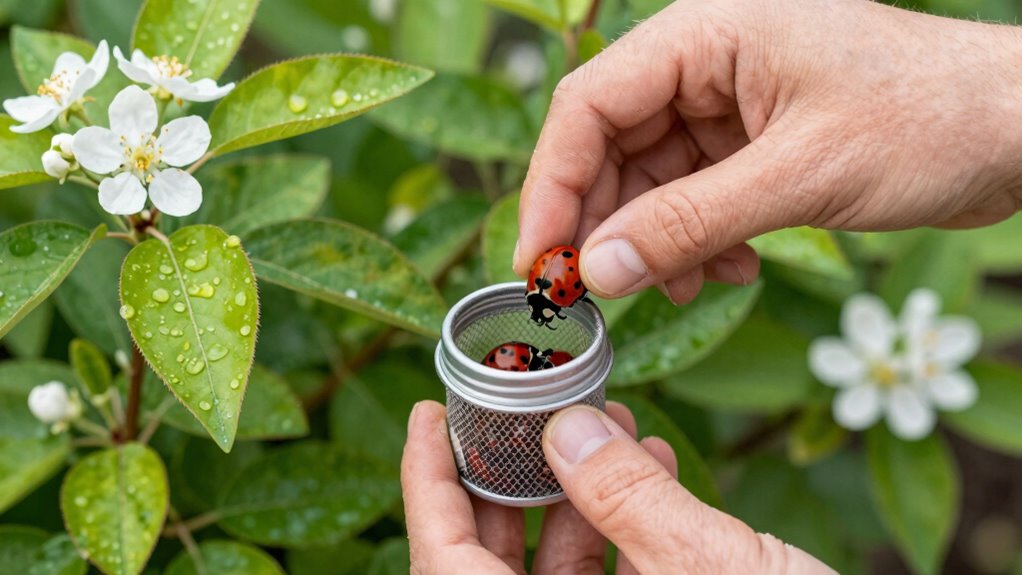
Timing is crucial when releasing beneficial insects to guarantee they thrive and effectively control pests. Understanding seasonal considerations ensures insects are active when pests are present. Weather impacts, like temperature and humidity, influence their survival and activity levels. To maximize success, consider these points:
- Release during early morning or late evening when temperatures are moderate.
- Coordinate releases with pest emergence for immediate impact.
- Avoid periods of heavy rain or extreme heat, which can wash away or harm insects.
- Time releases in spring or early summer when beneficial insects are naturally more active.
- Monitoring environmental conditions such as humidity levels can further enhance the success of your releases.
How Many Beneficial Insects Should You Release? Calculating the Right Quantity
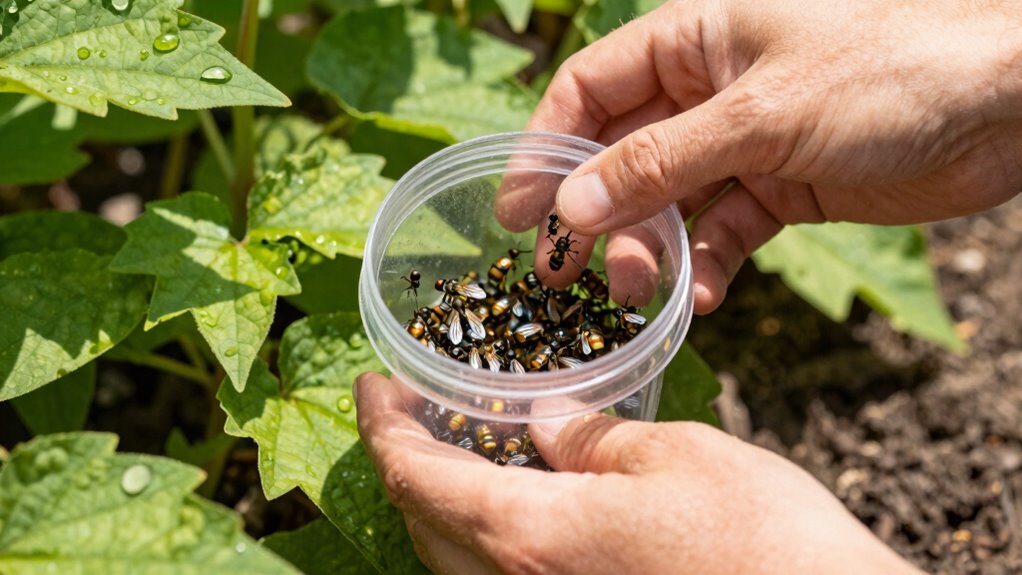
Determining the right number of beneficial insects to release is essential for effective pest control without wasting resources. Start by evaluating your pest levels and understanding the appropriate release density needed to suppress pest populations effectively. This involves monitoring insect population thresholds—the point at which pest numbers become economically damaging. Releasing too few beneficial insects may allow pests to thrive, while releasing too many can be wasteful and unnecessary. To calculate the right quantity, consider the size of your area, infestation severity, and the specific insect species’ effectiveness. Regularly evaluate pest levels after releases to adjust your approach. By matching your insect releases to pest thresholds, you optimize biological control and avoid overspending on unnecessary releases. Additionally, understanding the role of contrast ratio in projectors can help you visualize your pest control area more clearly, ensuring the right amount of beneficial insects are released in the most visible and effective manner.
How to Release Beneficial Insects Effectively
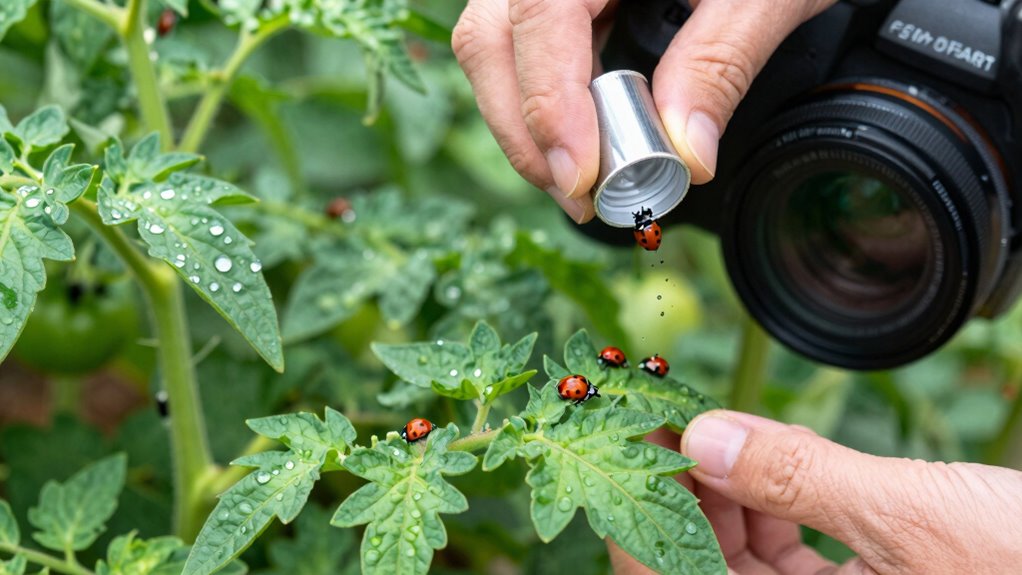
To guarantee your beneficial insects thrive, you need to release them at the right time when pests are active and conditions are favorable. Choose locations like plant roots or shaded areas where insects can settle and start working effectively. Proper timing and placement are key to maximizing their impact and protecting your garden. Additionally, understanding the role of ethics in your approach ensures responsible and sustainable pest control practices.
Proper Release Timing
Releasing beneficial insects at the right time is crucial for maximizing their effectiveness. Proper seasonal timing ensures insects are active when pests are present, while weather considerations help them survive and thrive. To optimize your releases:
- Release during peak pest activity, usually in the early morning or late afternoon.
- Time releases when temperatures are mild, avoiding extreme heat or cold.
- Consider seasonal timing; release in spring or early summer when pests are emerging.
- Avoid releasing before heavy rain or strong winds, which can disperse or destroy insects.
- Incorporating energy-efficient cloud servers can help monitor and optimize release schedules through data analysis, ensuring timely and effective releases.
Ideal Release Locations
Choosing the right locations to release beneficial insects can substantially boost their effectiveness. Focus on areas with well-planned garden design that include diverse insect habitats. Place releases near pest hotspots or along crop borders for maximum impact. Avoid open, wind-exposed spots, which can reduce insect survival. To optimize results, consider this table:
| Location Type | Benefits | Best Practice |
|---|---|---|
| Dense foliage | Protects insects from weather | Release early morning or late evening |
| Flowering plants | Provides nectar and pollen | Mix with pest-prone areas |
| Shade areas | Maintains humidity | Keep releases close to pest sites |
| Undisturbed spots | Minimizes disturbance | Avoid high traffic zones |
Additionally, selecting calm and organized environments can help create ideal conditions for beneficial insects to thrive.
Monitoring Pest Levels and Adjusting Beneficial Insect Releases

Monitoring pest levels closely is essential to guarantee your beneficial insect releases remain effective. By tracking pest populations, you can determine if your insects are controlling pests or if adjustments are needed. Keep in mind that beneficial insects have a limited lifespan, so timing releases when pest numbers are manageable maximizes impact. To optimize your efforts, consider these steps:
Regular pest monitoring ensures effective beneficial insect releases and maximizes their lifespan.
- Regularly inspect plants for pest activity and record changes.
- Assess whether pest levels are declining or persisting.
- Adjust release frequency based on pest population trends.
- Reintroduce beneficial insects if pest levels rebound or remain high.
- Understanding air fryer technology can help you better appreciate how biological control methods complement other integrated pest management strategies.
This approach helps prevent unnecessary releases and ensures your beneficial insects work efficiently within their lifespan, saving you money and boosting pest control effectiveness.
Top Mistakes to Avoid When Releasing Beneficial Insects
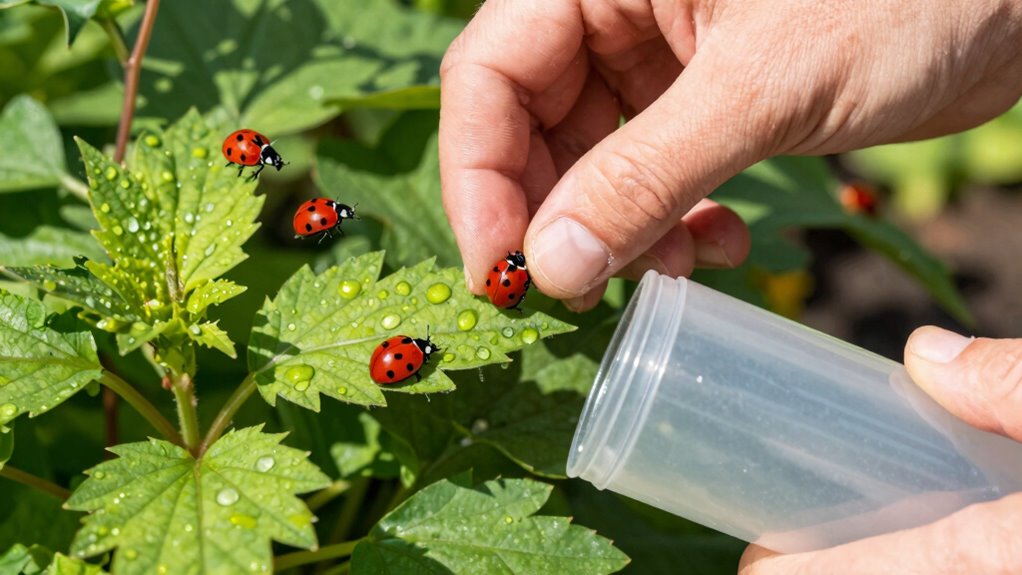
One common mistake gardeners make when releasing beneficial insects is not timing the releases properly. Releasing insects too early or too late can lead to wasted efforts and ineffective pest control. To avoid this, monitor pest levels closely and plan releases accordingly. Another frequent mistake is neglecting insect habitat management; without proper habitat, beneficial insects may struggle to survive and thrive. Ensuring your garden provides the right conditions—such as nectar sources, shelter, and diverse plantings—supports their establishment. Additionally, many overlook the importance of understanding the specific needs of each insect species. Avoid these common release mistakes by synchronizing releases with pest activity and creating a welcoming environment, maximizing the effectiveness and cost-efficiency of your beneficial insect program.
Frequently Asked Questions
Are Beneficial Insects Safe for Pets and Children?
Yes, beneficial insects are generally safe for pets and children. They’re used for pest suppression by targeting specific insect behavior, so they don’t harm humans or pets. Always follow the product instructions carefully, and avoid releasing them near food or water sources. When properly used, beneficial insects provide an eco-friendly pest control method that’s safe and effective, giving you peace of mind while keeping your home or garden pest-free.
How Long Do Beneficial Insects Typically Survive After Release?
Did you know beneficial insects like ladybugs can survive up to 30 days after release? Typically, their release duration depends on the insect species and environment, with insect lifespan ranging from a few days to several weeks. Proper release techniques, like releasing in the evening and providing suitable habitat, can maximize their lifespan. Expect most beneficial insects to last about 2-4 weeks, giving you ample time to control pests effectively.
Can Beneficial Insects Become Invasive or Disrupt Local Ecosystems?
Beneficial insects can pose an invasive risk if not properly managed, potentially disrupting your local ecosystem balance. To minimize this, you should carefully select species suited to your region and avoid releasing non-native insects. Always follow guidelines from local agricultural or environmental agencies. By doing so, you prevent unintended invasiveness, protect native species, and guarantee your pest control methods support a healthy, balanced ecosystem.
What Environmental Conditions Favor Beneficial Insect Effectiveness?
Think of beneficial insects as delicate gardeners needing just the right environment to thrive. They prefer habitats with ample plant cover, diverse food sources, and stable moisture levels. Temperature preferences vary, but most do best in moderate conditions—around 65-85°F. Ensuring these habitat requirements and temperature preferences are met maximizes their effectiveness, helping them control pests naturally without wasting resources or risking environmental imbalance.
Are There Organic Certification Standards for Beneficial Insects?
Yes, there are organic certification standards for beneficial insects. Certification requirements guarantee that these insects are produced without synthetic pesticides or chemicals, aligning with organic standards. When selecting beneficial insects, look for suppliers who meet these certification requirements, confirming their products adhere to organic practices. This guarantees you’re supporting environmentally friendly pest control methods that comply with organic standards, ultimately helping you maintain organic integrity in your garden or farm.
Conclusion
Remember, timing and proper release are key to successful pest control. By choosing the right beneficial insects, releasing them at the ideal moment, and monitoring results, you can save money and protect your crops effectively. Don’t forget the saying, “A stitch in time saves nine”—acting promptly ensures fewer problems down the line. With a little effort and patience, you’ll see your pest issues diminish and your garden flourish.