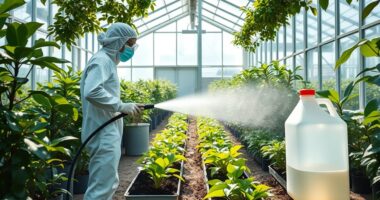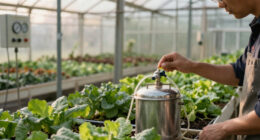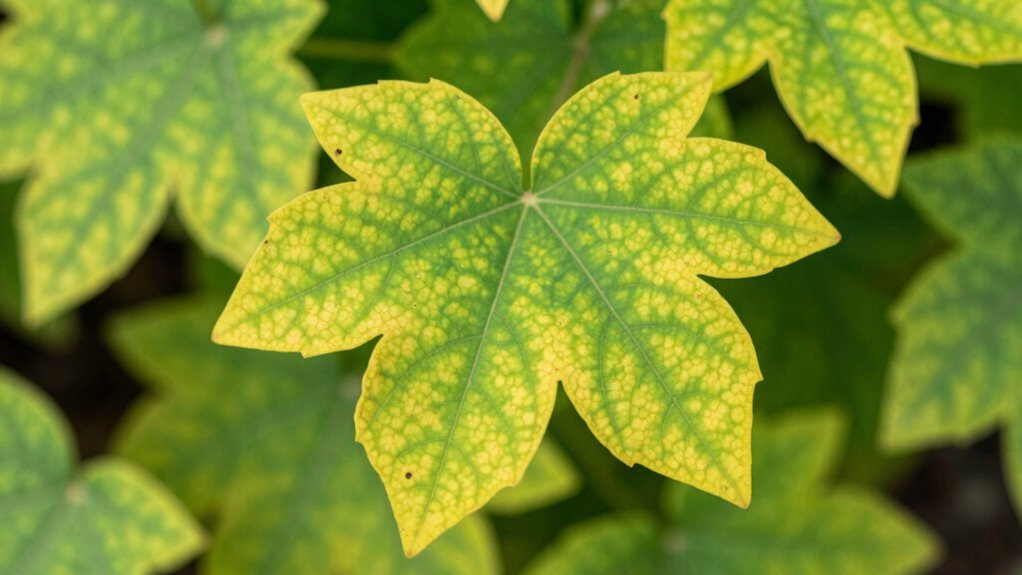

To catch a problem early, regularly walk through your greenhouse and observe your plants closely. Look for subtle signs like yellowing, curling, or spotting leaves, which may signal nutrient issues, pests, or disease. Check soil conditions for compaction, drainage, or imbalances, and monitor environmental factors like humidity and airflow to prevent stress. Trust your intuition and act quickly when you notice changes—staying vigilant helps you prevent small issues from becoming major greenhouse problems.

Get garden gear delivered free — and shop member deals
- Fast, free delivery on millions of items
- Access to Prime Big Deal Days deals on October 6–7
- Prime Video, Amazon Music and more included
Key Takeaways
- Regularly observe plant appearance for early signs like yellowing, curling, or spots indicating health issues.
- Conduct consistent soil testing to detect nutrient imbalances or pH problems before symptoms appear.
- Monitor environmental conditions such as humidity, temperature, and airflow to prevent stress-related plant issues.
- Perform routine greenhouse walkthroughs to spot subtle changes in plant vigor or pest activity early.
- Maintain vigilant pest and disease checks to catch infestations before they spread and cause major damage.
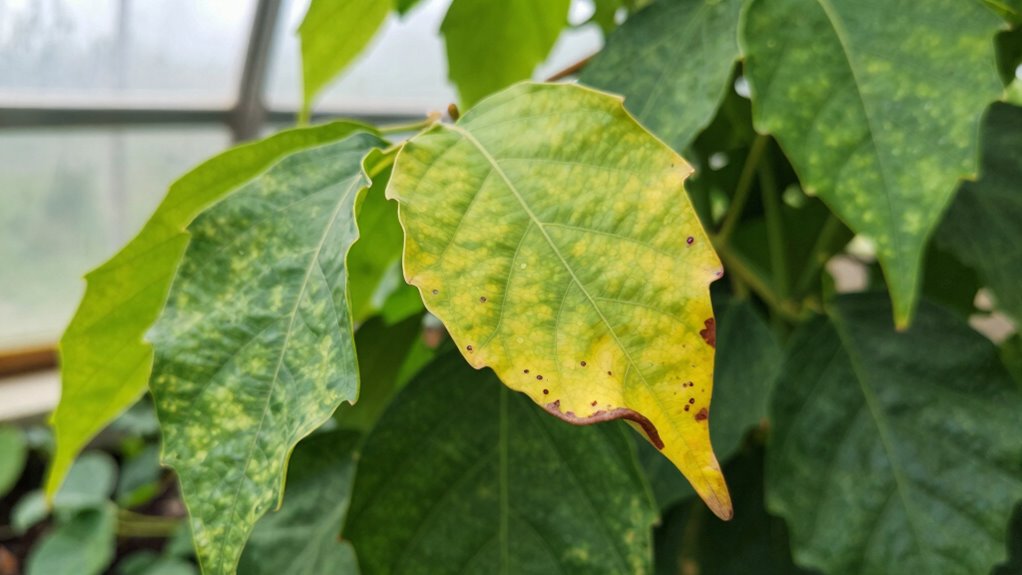
Along with pest identification, paying close attention to your soil health is essential. Healthy soil provides the foundation for strong, resilient plants, so any decline in soil quality can be a warning sign. Check for signs of poor soil health, such as compacted soil that restricts root growth, or soil that appears waterlogged or excessively dry. If your plants seem to be wilting or showing stunted growth despite proper watering, it could be a sign of nutrient deficiencies or imbalanced pH levels. Regularly testing your soil can reveal these issues early, so you can amend it with the right nutrients or adjust watering practices. Healthy soil also helps prevent pests and diseases, as strong plants are less vulnerable to attack. Additionally, maintaining proper ventilation can help prevent problems caused by excess humidity and poor air circulation, which are common issues in greenhouses. Ensuring proper air circulation can also promote healthier plant growth overall. Proper climate control is equally important in creating an environment that discourages pest and disease development. Recognizing early signs of soil imbalance or damage can significantly improve your ability to intervene promptly and effectively. Taking steps to improve soil drainage can also reduce the risk of root rot and other related issues.
Monitoring your plants’ overall appearance is equally important. Notice if leaves are yellowing, curling, or developing spots. These symptoms can indicate underlying problems like nutrient deficiency, disease, or pest damage. The sooner you identify these symptoms, the easier it is to address the root cause before it spreads. Keep in mind that early intervention is often less labor-intensive and more effective than trying to manage a full-blown outbreak or disease once it has taken hold. Staying attentive to subtle changes in plant health can help you catch problems before they become widespread.
Lastly, trust your instincts and stay vigilant. Your plants will tell you when something’s wrong if you pay attention to subtle changes. Regularly walk through your greenhouse, inspecting each plant carefully. Catching issues early — whether it’s a pest, soil problem, or disease — saves you time, effort, and resources in the long run. Staying proactive and observant ensures your greenhouse remains healthy and productive, preventing minor problems from turning into serious, costly crises. Remember, consistent plant monitoring is key to maintaining a thriving greenhouse environment.
As an affiliate, we earn on qualifying purchases.
Frequently Asked Questions
What Are Common Signs of Early Plant Disease?
You’ll notice early plant disease signs like yellowing leaves, spots, or wilting, which often indicate issues with plant nutrition or environmental stress. Watch for stunted growth or unusual discoloration, as these are common early indicators. By catching these symptoms early, you can address underlying problems before they escalate, ensuring your plants stay healthy. Regular inspection helps you spot issues linked to environmental stress or nutrient deficiencies early on.
How Often Should I Inspect My Greenhouse Plants?
You should inspect your greenhouse plants at least twice a week to catch problems early. During each check, focus on soil moisture and nutrient balance, as these are key indicators of plant health. Look for signs like wilting, discoloration, or uneven growth. Regular inspections help you spot issues before they escalate, allowing you to adjust watering and fertilizing schedules promptly, keeping your plants thriving.
Can Pests Be Hidden From Sight Initially?
Yes, pests can be hidden from sight initially, making them hard to detect early. Hidden pests often cause undetectable symptoms like subtle discoloration or wilting, which you might overlook. Regular inspections help you catch these pests before they become a bigger problem. Look closely at leaves, stems, and undersides for signs of infestation, and act quickly if you notice any unusual changes that might indicate hidden pests.
What Tools Help Detect Plant Health Issues Early?
You can detect plant health issues early with tools like soil testing kits, which reveal nutrient deficiencies before visible symptoms appear. Use a magnifying glass to spot early pest signs, and a plant health monitor with sensors can track moisture and nutrient levels. Regularly inspecting leaves, stems, and roots helps you catch problems early, preventing minor issues from turning into major greenhouse concerns.
Are Some Plants More Susceptible to Problems Than Others?
Did you know that some plants are up to 50% more susceptible to issues like plant nutrient deficiencies and soil contamination? Certain species, especially those with specific nutrient needs or delicate roots, are more vulnerable to problems. You should monitor these plants closely, as their sensitivity makes early detection essential. Being aware of their susceptibilities helps you prevent minor issues from escalating into major greenhouse problems.
Conclusion
By catching a problem early, you’re like a gardener tending to a fragile seedling—nurturing it before it’s overshadowed by weeds. Your keen eye acts as the sun, illuminating issues before they take root. When you notice the signs, you’re not just saving a plant; you’re safeguarding a future full of growth and promise. Remember, small cracks today can become cracks in the greenhouse tomorrow—stay vigilant, and your garden will thrive.
Fall Picks
fall essentials
As an affiliate, we earn on qualifying purchases.