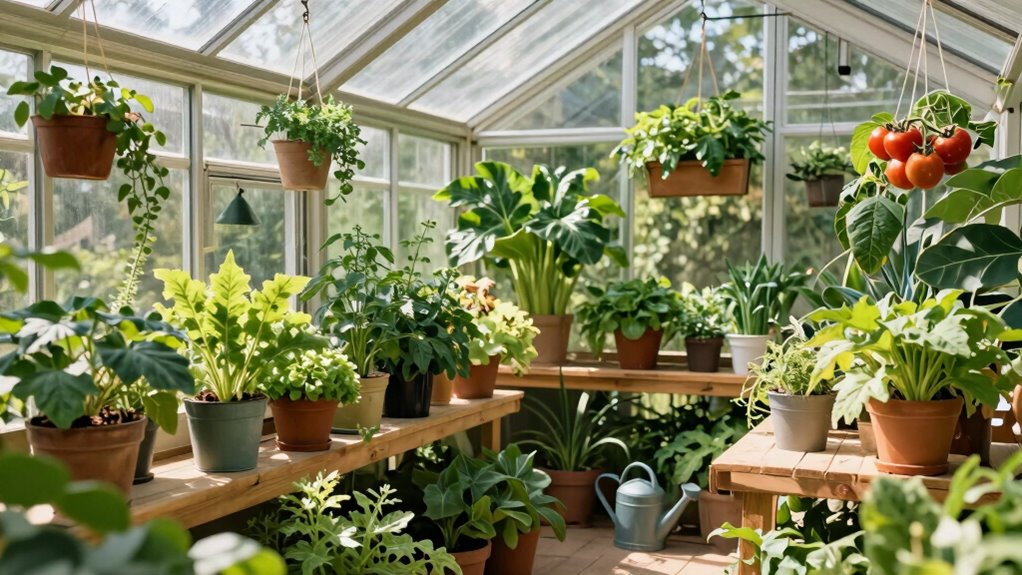

Greenhouses play a crucial role in making your home more self-reliant by enabling year-round food production and supporting energy efficiency through renewable systems like solar-powered ventilation and integration with solar panels or wind turbines. They help you maintain ideal growing conditions, reduce dependence on external resources, and foster sustainability. Incorporating smart automation and aquaponics makes managing your greenhouse easier and more efficient. Keep exploring how these systems can transform your home into a resilient, eco-friendly sanctuary.
Open a free Amazon Business account
Business pricing, bulk buying and tax-exempt orders.
As an affiliate, we earn on qualifying purchases.
Key Takeaways
- Greenhouses enable year-round food production, reducing dependence on external food sources.
- Integrated renewable energy systems power greenhouse operations sustainably and cost-effectively.
- Smart automation optimizes environmental conditions, minimizing maintenance and maximizing plant health.
- Aquaponics and closed-loop systems enhance resource efficiency and ecological resilience.
- Greenhouses support a self-reliant lifestyle by combining energy independence, food security, and environmental sustainability.
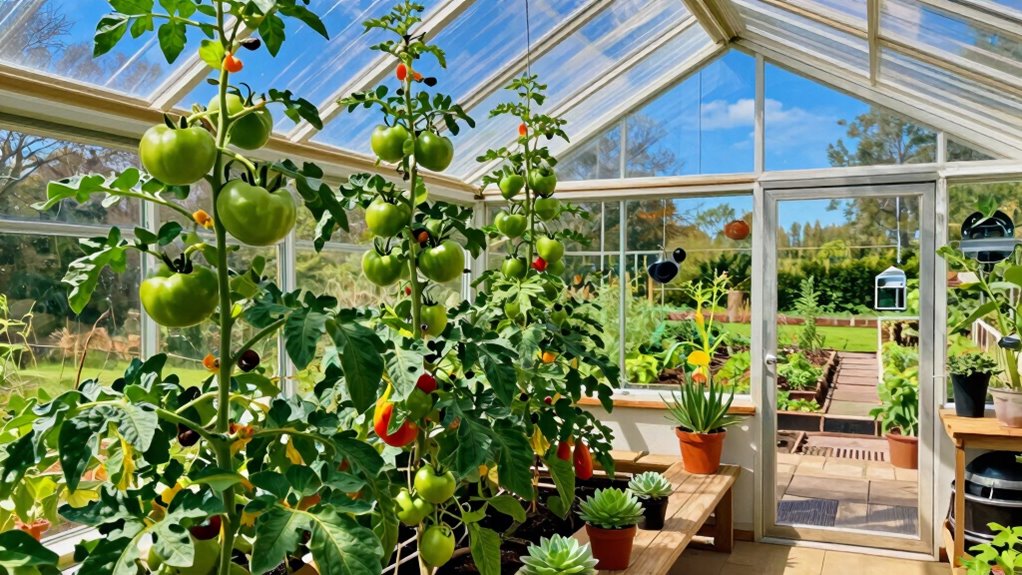
To take this a step further, installing solar powered ventilation in your greenhouse becomes essential. It keeps the environment inside ideal for plant growth, especially during hot summer months when heat can build up quickly. Solar-powered fans operate quietly and sustainably, reducing your dependence on grid electricity and lowering your carbon footprint. They automatically activate when temperatures rise, maintaining a stable climate that promotes healthy plant development. This sustainable cooling system ensures your greenhouse remains productive year-round, regardless of weather fluctuations. Additionally, integrating solar-powered ventilation with other renewable energy solutions can further enhance the efficiency and sustainability of your self-reliant home. Building a self-reliant home isn’t just about growing food; it’s about creating a system that supports your entire lifestyle. Your greenhouse acts as a hub for food production, but it also complements other renewable energy sources you might install, such as solar panels or wind turbines. These systems work together to reduce your energy bills and carbon emissions, making your home more autonomous. The added benefit is that you gain control over your food and energy supply, giving you peace of mind during grid outages or economic uncertainties. In addition, integrating smart automation systems can further refine your greenhouse environment. Sensors can monitor humidity, temperature, and soil moisture, adjusting ventilation or irrigation automatically. When combined with solar powered ventilation, your greenhouse becomes a low-maintenance, energy-efficient operation that requires minimal oversight. This setup allows you to focus on enjoying your harvest and living a more sustainable lifestyle rather than constantly managing your environment. Moreover, utilizing renewable energy sources in your home can contribute to a more resilient and self-sufficient lifestyle. Incorporating energy independence strategies can further reduce reliance on external systems and ensure your home remains operational during outages. Furthermore, adopting environmental sustainability practices amplifies the positive impact of your self-reliant efforts. Ultimately, a greenhouse that incorporates aquaponics integration and solar powered ventilation fits perfectly into a more self-reliant home. It creates a closed-loop system where energy, water, and nutrients are managed efficiently, empowering you to live more sustainably and independently. With these features, you’re not just growing food; you’re cultivating resilience, reducing your ecological footprint, and building a more autonomous way of living.
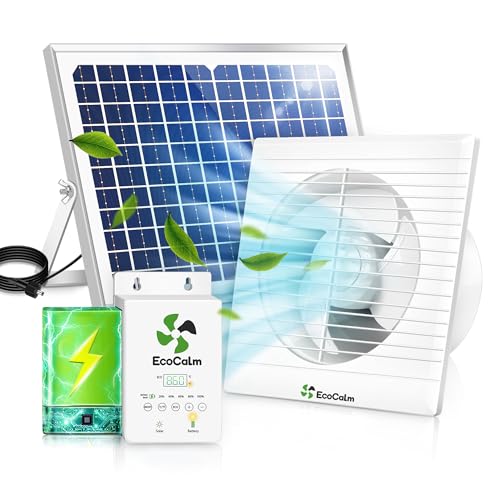
ecoCalm Solar Fan 8" with Adjustable Thermostat and Battery for Greenhouse
- Solar Powered with Battery Backup: Provides circulation day and night
- Up to 8 Hours Runtime: Battery supports night-time ventilation
- Adjustable Temperature Control: Sets fan activation temperature
As an affiliate, we earn on qualifying purchases.
As an affiliate, we earn on qualifying purchases.
Frequently Asked Questions
What Are the Initial Costs of Building a Greenhouse at Home?
The initial costs of building a greenhouse at home vary based on size, material options, and design complexity. You should expect a cost estimation ranging from a few hundred dollars for a simple DIY setup to several thousand for a larger, professionally built structure. Basic materials like PVC or polycarbonate panels are budget-friendly, while glass or aluminum options cost more. Consider your needs and budget to choose the best materials for your greenhouse.
How Much Maintenance Do Greenhouses Typically Require Annually?
You’ll spend about a few hours annually on greenhouse maintenance, focusing on pest management and ventilation efficiency. Regularly inspect plants for pests, quickly addressing issues before they spread. Keep ventilation systems working effectively to prevent humidity buildup and disease, and clean glass or plastic panels to guarantee maximum sunlight. Consistent attention to these tasks helps your greenhouse stay healthy, productive, and energy-efficient, making your self-reliant home more sustainable.
Are Greenhouses Suitable for All Climate Zones?
Greenhouses aren’t suitable for all climate zones, but their climate adaptability varies. In temperate regions, you can often use them year-round with minimal adjustments. In colder or more extreme climates, you’ll need additional insulation or heating systems to guarantee regional suitability. Assess your local weather patterns and choose a greenhouse design that matches your climate zone. Proper planning helps you maximize your greenhouse’s productivity and longevity, regardless of regional challenges.
What Are the Best Plant Choices for Beginners?
Start with easy-to-grow plants like herbs, lettuce, or radishes—these are perfect for beginners. Juxtapose their simplicity with the complexity of plant propagation and pest management, reminding you that even simple choices teach essential skills. These plants grow quickly, giving you confidence and experience, while pests are manageable with basic techniques. Choosing hardy, low-maintenance options helps you learn and enjoy your greenhouse journey without feeling overwhelmed.
How Can Greenhouses Be Integrated Into Existing Home Designs?
You can seamlessly integrate greenhouses into your existing home by creating indoor spaces dedicated to plants or adding glass extensions that blend with your design. Focus on aesthetic considerations like matching materials and colors to your home’s style, and guarantee proper indoor integration with lighting and ventilation. This approach keeps your greenhouse functional and visually appealing, making it a natural part of your living space while boosting your self-reliance.
Conclusion
Think of your greenhouse as the heart of your self-reliant home’s garden. It’s not just a glass box; it’s the sun’s steady handshake, offering fresh produce and a sanctuary during tough seasons. By integrating a greenhouse, you’re planting the seeds of independence, nurturing a resilient lifestyle that grows stronger with each harvest. Embrace this green haven, and watch how it transforms your home into a thriving, self-sustaining oasis—your very own slice of paradise.
Back to school Picks
back to school
As an affiliate, we earn on qualifying purchases.