TL;DR

Get garden gear delivered free with Prime
- Fast, free delivery on millions of items
- Prime Video, Amazon Music and more included
- Member-only deals all year
Gardening Know How recommends reusing Halloween pumpkins in the yard rather than discarding them, with options including composting and saving seeds. The report says pumpkins should be free of paint, glitter, sealants, wax and other contaminants before reuse; some ideas also depend on the pumpkin’s condition and local wildlife guidance.
Gardening Know How has outlined six ways to reuse Halloween pumpkins in a yard, including chopping them for compost and cleaning their seeds for possible planting. The advice offers an alternative to throwing pumpkins away, but the report says only clean, uncontaminated pumpkins should be reused and notes that saved seeds may not grow true to the original fruit.
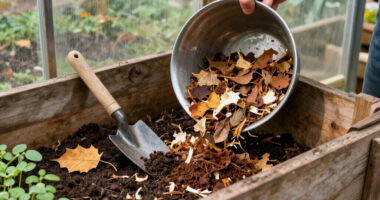
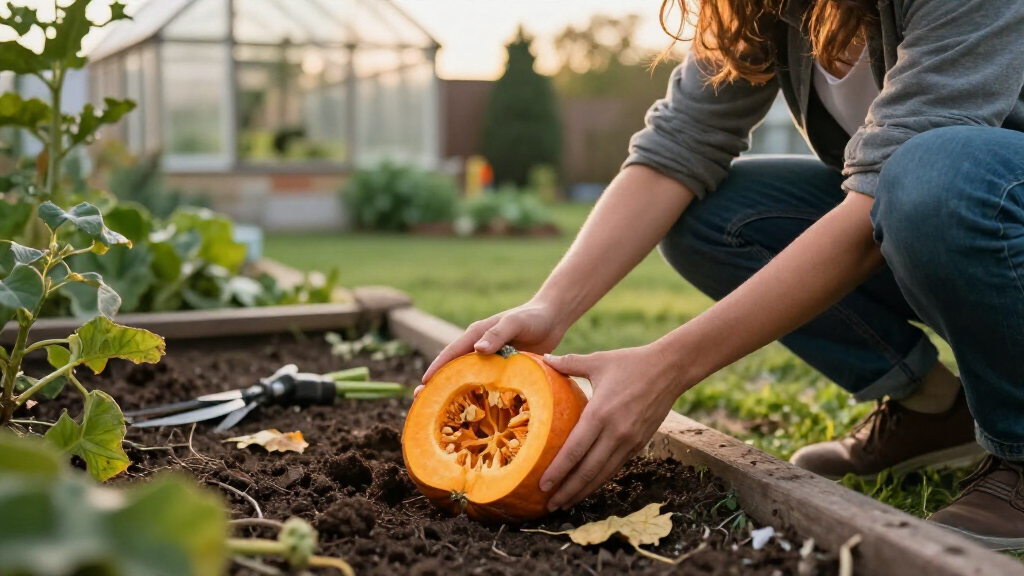
For compost, the report advises breaking an intact pumpkin into fist-sized pieces so its flesh is exposed to soil organisms. It recommends mixing each bucket of chopped pumpkin with two buckets of dry materials, such as shredded leaves, straw or torn cardboard, because pumpkin tissue contains a lot of water. Turning the pile periodically can help keep it aerated.
A second option is trench composting in a garden bed. Gardening Know How recommends a trench 18 to 24 inches deep, filled with chopped pumpkin and covered with about 12 inches of soil. The report says decomposition can take two to three months in loose, well-drained soil, while heavy clay may leave pieces for much longer.
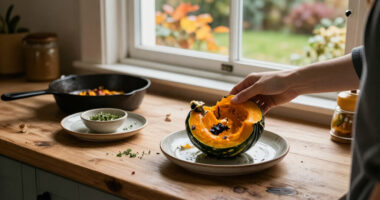
For seed saving, scoop out seeds from a healthy, mature pumpkin, rinse away the pulp and dry them in a single layer in a warm, ventilated place away from direct sunlight. The report gives a drying estimate of two to three weeks and says seeds should snap rather than bend before storage. It cautions that carving pumpkins are often hybrids and that cross-pollination with other squash can make the next generation unpredictable.
Keep Pumpkin Nutrients in the Yard
Putting a pumpkin to use at home can keep its organic material in the garden rather than sending it out with household rubbish. Composting can return that material to soil, while seed saving may provide seeds for a future planting. These are practical options, not guaranteed results: decomposition speed varies with soil and conditions, and seeds from hybrid or cross-pollinated plants may produce fruit unlike the pumpkin they came from.
The advice also sets a clear limit. Paint, glitter, chemical sealants and fake snow should be removed and discarded, along with candle stubs, wax and battery-powered lights. A pumpkin that cannot be cleaned of such materials should not be added to compost or used as animal food.
Products Worth Considering

Orbit B-hyve XR 16-Zone Indoor/Outdoor Smart Sprinkler Timer

Weber Searwood 600 Wood Pellet Smoker Grill, Black

Greenworks 40V Cordless Leaf Blower/Vacuum, 505 CFM, 5.0 Ah Battery and Charger
As an affiliate, we earn on qualifying purchases.
Check the Pumpkin Before Reuse
The report was published as Halloween pumpkins begin to be discarded in early November. It says carved pumpkins can still be reused if they have not been coated with craft materials or otherwise contaminated. The pumpkin should also be checked for candles and other decorations before any cutting or composting begins.
Condition and variety affect which projects are suitable. The report describes common carving varieties as relatively easy to cut, while denser culinary and heirloom types tend to hold their shape longer. It also says warmer weather can speed mold and fruit-fly activity, while freeze-thaw cycles can make pumpkins break down quickly. Those observations are general guidance; actual timing depends on local weather and the pumpkin’s condition.
““The only rule is that your fruit needs to be clean and free of contaminants.””
— Gardening Know How
Results Depend on Local Conditions
The supplied report excerpt describes composting and seed saving, then begins a third suggestion about turning a pumpkin into a bird feeder before the source text cuts off. It does not provide the remaining steps in its advertised list of six. Those four methods cannot be reported from the material supplied, and the excerpt does not establish details such as safe feeder preparation or which wildlife foods are appropriate.
There is also no single decomposition timetable that applies to every yard. Soil type, moisture, temperature, pumpkin size and whether it was carved can all affect how quickly it breaks down. The report’s estimates are guidance, not a guarantee. It does not provide independent research or data comparing the environmental impact of these uses with disposal.
Choose a Method for Your Yard
Before reusing a pumpkin, remove decorations and check for paint, coatings, candle wax or other foreign material. Gardeners with a compost pile can chop the fruit and balance it with dry browns; those without room may consider trench composting where an appropriate bed is available. Anyone saving seeds should label the variety and date, allow the seeds to dry fully, and treat next season’s growth as potentially different from the original pumpkin.
Readers seeking all six methods should consult the full Gardening Know How report, since the supplied excerpt does not include the complete list. For any wildlife-feeding use, follow local guidance and use only suitable, uncontaminated food; the available source excerpt does not specify instructions for that project.
Key Questions
Can a carved pumpkin go in the compost?
According to Gardening Know How, it can if it is clean and free of contaminants. Remove candles, wax, batteries, paint, glitter, sealants and fake snow first, then chop the pumpkin to expose its flesh.
How much dry material should I mix with pumpkin?
The report recommends about two buckets of carbon-rich browns, such as shredded leaves, straw or torn cardboard, for each bucket of chopped pumpkin.
How long does pumpkin take to break down?
The report estimates two to three months in loose, well-drained soil for trench composting. Heavy clay or different weather conditions may take longer.
Will seeds from a Halloween pumpkin grow the same kind?
Not necessarily. The report says carving pumpkins are often hybrids, and cross-pollination with nearby squash can affect the next generation’s fruit.
Source: gardeningknowhow.com