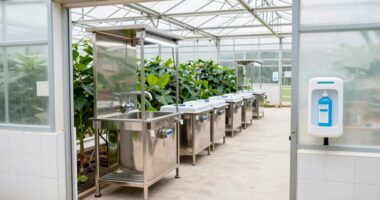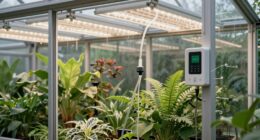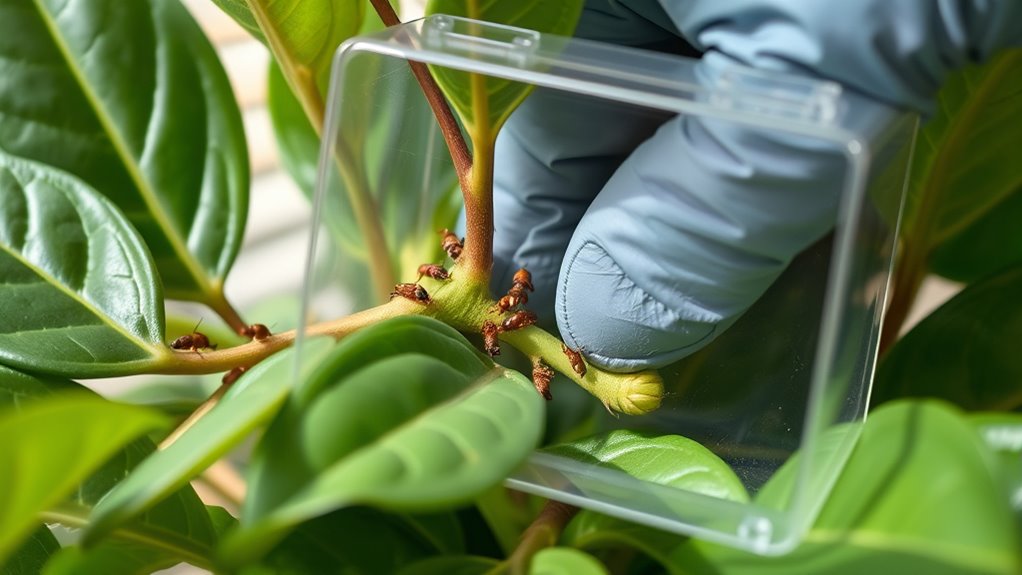

When you spot a pest infestation, act fast by quarantining your affected plants immediately to prevent pests from spreading. Isolate infected plants away from healthy ones, and assess how severe the problem is. Use biological controls like beneficial insects or apply pesticides carefully if needed, while removing debris and pruning infested areas. Monitoring your plants afterward and maintaining good care can help prevent future issues. Keep going to discover more proven steps to protect your plants effectively.

Get garden gear delivered free — and shop member deals
- Fast, free delivery on millions of items
- Access to Prime Big Deal Days deals on October 6–7
- Prime Video, Amazon Music and more included
Key Takeaways
- Immediately isolate infected plants to prevent pest spread and assess infestation severity.
- Quarantine affected plants away from healthy ones to contain the outbreak.
- Use biological controls like ladybugs or parasitic wasps for eco-friendly pest reduction.
- Apply targeted chemical treatments following instructions, combined with sanitation practices.
- Monitor plants regularly, maintain healthy conditions, and repeat treatments as needed to ensure full recovery.
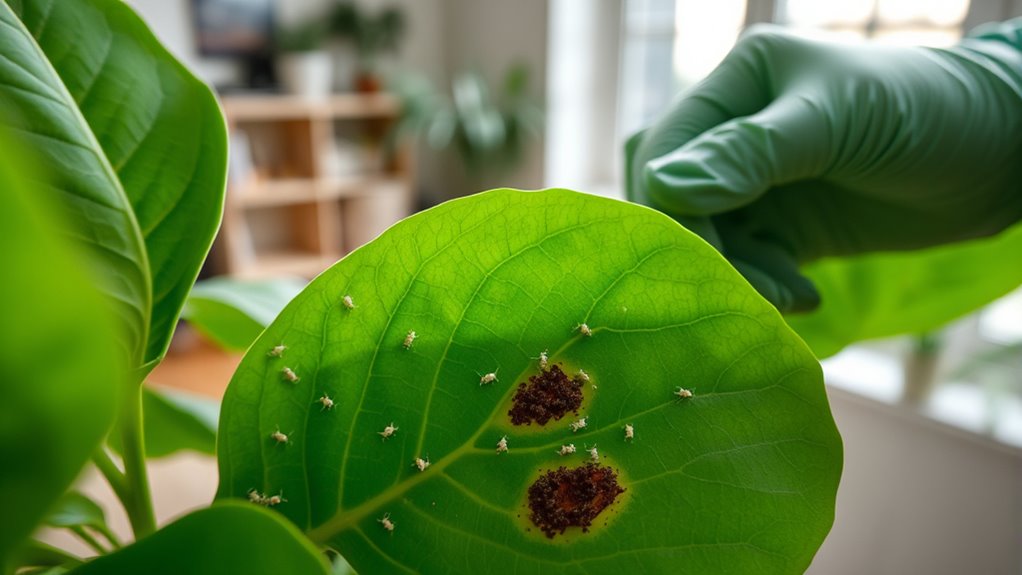
Have you noticed an unexpected surge of pests invading your home or business? When pests suddenly overrun your plants, quick action is vital to prevent further damage and save your greenery. The first step is to isolate or quarantine the affected plants immediately. Move them away from healthy ones to stop the pests from spreading. This simple step can make a big difference in controlling the infestation before it spirals out of control.
Once you’ve quarantined the infected plants, it’s time to evaluate your options for pest control. Biological control is an eco-friendly method that involves introducing natural predators or beneficial insects to target the pests. This approach is especially effective for delicate plants and can help reduce pesticide use. For example, releasing ladybugs to combat aphids or using parasitic wasps for other pest types can restore balance without harming your plants or the environment. Biological control offers a sustainable, long-term solution if you act swiftly and correctly.
Biological control uses natural predators like ladybugs and parasitic wasps for eco-friendly pest management.
However, sometimes biological control isn’t enough, especially in severe infestations. That’s when chemical treatments come into play. Applying pesticides or insecticidal soaps can provide rapid relief by eliminating pests quickly. When using chemicals, always follow the manufacturer’s instructions carefully—overuse or incorrect application can damage your plants or pose health risks. Combine chemical treatments with good sanitation practices, like removing fallen debris and pruning heavily infested parts, to maximize effectiveness.
Remember, timing is essential. The sooner you intervene, the better your chances of saving your plants. Quarantining prevents pests from spreading, while biological control offers a sustainable long-term solution that minimizes chemical reliance. When pests are persistent or widespread, integrating chemical treatments can give you the immediate impact needed to control the situation. But always weigh the risks and benefits, especially if your plants are valuable or sensitive.
Additionally, maintaining healthy plant environments can help prevent future infestations by strengthening your plants’ natural defenses. Finally, after treatment, monitor your plants closely. Check for signs of new pest activity and repeat treatments if necessary. Maintaining proper plant health through adequate watering, nutrition, and pruning can also make your plants more resilient to future infestations. Acting quickly, combining methods like biological control and chemical treatments wisely, and keeping your plants isolated during an infestation are key steps in managing an emergency. With prompt, strategic actions, you can quarantine and save your plants from total loss, turning a stressful situation into an opportunity for better pest management in the future.
beneficial insects for pest control
As an affiliate, we earn on qualifying purchases.
As an affiliate, we earn on qualifying purchases.
Frequently Asked Questions
How Can I Prevent Plant Infestations Naturally?
To prevent plant infestations naturally, you should start with companion planting, which helps keep pests away by pairing plants that repel each other’s pests. Additionally, use natural repellents like neem oil or garlic spray to deter unwanted insects. Regularly inspect your plants, maintain healthy soil, and encourage beneficial insects like ladybugs. These strategies create a balanced ecosystem, reducing the chances of infestations without relying on chemicals.
What Are the Signs of Early Infestation?
Ever wonder how you can spot trouble early on? Recognizing signs of early infestation is key to pest identification and saving your plants. Look for tiny holes in leaves, sticky residues, or discolored patches—these are your early warning signs. You might also notice unusual webs or pests crawling around. Staying vigilant and inspecting your plants regularly helps you catch problems before they become serious, keeping your garden healthy and thriving.
Are Homemade Remedies Effective Against Pests?
Homemade remedies can sometimes help control pests, but their effectiveness varies. DIY pesticides and natural repellents like neem oil, garlic spray, or soap solutions may deter pests temporarily, but they often lack the strength of commercial products. You should monitor your plants closely and reapply as needed. For severe infestations, combining homemade methods with professional treatments ensures better protection and healthier plants in the long run.
How Do I Identify Different Pest Species?
To identify different pest species, start with pest identification by closely examining insect spotting on your plants. Look for specific features like color, size, and shape. Use a magnifying glass if needed. Take clear photos and compare them with online resources or pest identification guides. Recognizing pest species early helps you choose the right treatment. Stay observant and note any patterns or behaviors to improve your pest management skills.
When Should I Call a Professional Exterminator?
Think of your plants as soldiers in a battle. When pests are in their early lifecycle stages, you might manage them with DIY methods. But if the infestation persists or worsens, it’s time to call a professional exterminator. They understand the pest lifecycle and can apply targeted chemical treatments safely. If your efforts don’t stop the pests or if they spread rapidly, professional help becomes essential to save your plants.
Conclusion
When you act quickly, you protect your plants. When you quarantine, you prevent spread. When you monitor closely, you catch problems early. Your plants thrive because you stay vigilant. Your garden flourishes because you take action. Your dedication ensures health, beauty, and growth. Stand firm, stay alert, and respond promptly. Because in your hands, your plants can survive, recover, and flourish anew. Your care makes all the difference—trust yourself to save your garden.
Fall yard work Picks
leaf blowers
As an affiliate, we earn on qualifying purchases.