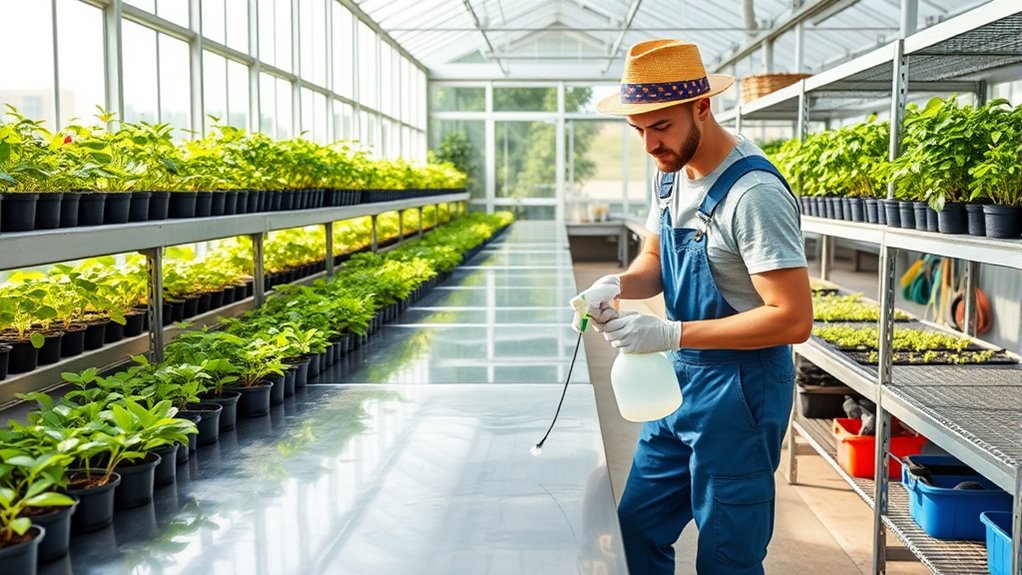

To effectively clean and disinfect your greenhouse, start by thoroughly sweeping and removing debris, dead plants, and soil residues. Use water and mild bleach or specialized disinfectants on all surfaces, paying close attention to corners, vents, and tools. Regular sanitation prevents pests and disease spread, while proper environmental management like controlling humidity and airflow boosts plant health. Consistent routines and eco-friendly methods keep your greenhouse thriving—keep going for more detailed tips to guarantee first-rate hygiene and plant safety.
Key Takeaways
- Regularly clean all tools, benches, and containers with appropriate disinfectants to prevent disease spread.
- Disinfect surfaces, corners, and vents using water and mild bleach or specialized disinfectants.
- Pay special attention to hard-to-reach areas like crevices and small spaces during cleaning routines.
- Remove debris and dead plant material frequently to reduce pest habitats and disease sources.
- Implement a routine cleaning schedule to maintain a sterile environment and promote healthy plant growth.
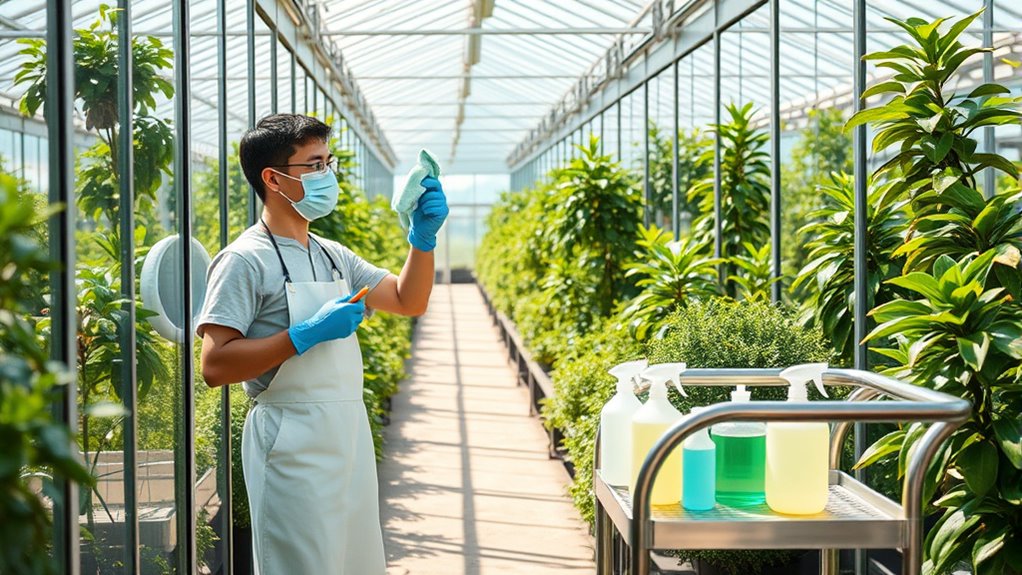
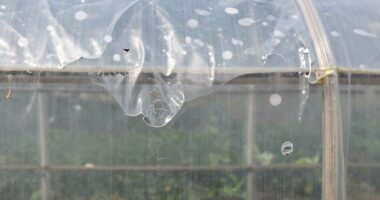
Maintaining a clean and disinfected greenhouse is essential for healthy plant growth and preventing disease outbreaks. A key part of this process involves soil sterilization, which helps eliminate pathogens, weed seeds, and pests that can linger in the soil and compromise your plants. Before planting each season, consider soil sterilization methods such as solarization, steam sterilization, or chemical treatments to guarantee the soil is free from harmful organisms. Solarization, which involves covering moist soil with clear plastic to trap heat from the sun, is an eco-friendly method that can effectively reduce soil-borne diseases. Steam sterilization is another reliable approach, especially for small-scale greenhouses, where you can use a steam generator or pressure cooker to raise soil temperatures enough to kill pathogens and pests. Chemical sterilizers are available but should be used cautiously, following all safety guidelines, and only when necessary, as they can leave residues that might affect plant health. Additionally, soil health can be maintained by adding organic amendments that promote beneficial microorganisms, further supporting a resilient growing environment.
Alongside soil sterilization, pest control strategies play a fundamental role in maintaining a healthy greenhouse environment. Regularly inspecting plants for signs of pests such as aphids, whiteflies, or spider mites allows you to catch infestations early. Implement integrated pest management (IPM) techniques, combining biological controls like introducing beneficial insects with physical barriers such as insect screens. Keep your greenhouse tidy by removing dead plant material and debris that can harbor pests and disease spores. Quarantining new plants before introducing them to your main growing area reduces the risk of bringing in pests or pathogens. When pests are detected, targeted interventions like organic insecticidal soaps or neem oil can control populations without harming beneficial insects or your plants. It’s also important to maintain proper humidity and airflow, as stagnant air and excess moisture create ideal conditions for pests and diseases to thrive.
Cleaning your greenhouse thoroughly before planting and after harvesting is essential. Disinfect all tools, benches, and containers with appropriate solutions to prevent cross-contamination. Use a mixture of water and mild bleach or specialized disinfectants to wipe down surfaces, paying special attention to corners, vents, and other hard-to-reach areas. Avoid neglecting small crevices where pests and pathogens can hide. Regular sanitation reduces the risk of disease recurrence and keeps your greenhouse environment sterile. Combine these cleaning practices with soil sterilization and pest control strategies to create a resilient growing environment. By staying vigilant and maintaining a disciplined routine, you guarantee your plants grow strong, healthy, and free from preventable diseases and pests.

Amazon Basics Disinfectant Spray, Mountain Meadow Scent, Kills 99.9% of Bacteria, 19 Oz, Pack of 1
- Package Quantity: 19 oz disinfectant spray
- Kills Bacteria: Eliminates 99.9% of bacteria
- Virus Protection: Effective against cold and flu viruses
As an affiliate, we earn on qualifying purchases.
As an affiliate, we earn on qualifying purchases.
Frequently Asked Questions
How Often Should I Clean My Greenhouse During the Growing Season?
You should clean your greenhouse at least once a week during the growing season, following a consistent cleaning schedule to prevent pests and diseases. After each crop, perform seasonal maintenance by deep cleaning and disinfecting surfaces. Regular cleaning keeps your greenhouse healthy, guarantees ideal plant growth, and reduces the risk of contamination. Staying proactive with your cleaning routine will help maintain a productive, pest-free environment throughout the season.
What Are the Safest Disinfectants for Greenhouse Surfaces and Equipment?
You should use natural disinfectants like vinegar or hydrogen peroxide for greenhouse surfaces and equipment, as they’re safer and eco-friendly. Always prioritize chemical safety by avoiding harsh chemicals that can harm plants or workers. Verify proper dilution and application to effectively disinfect without residue buildup. Regularly check labels and follow manufacturer instructions to keep your greenhouse safe, clean, and healthy for plants and people alike.
Can I Use Bleach to Disinfect My Greenhouse?
Yes, you can use bleach to disinfect your greenhouse, but you need to prioritize bleach safety. Use a proper dilution—typically one part bleach to nine parts water—and ensure good ventilation during application. Always wear protective gear. If you’re concerned about bleach safety or want disinfectant alternatives, consider using commercial disinfectants designed for greenhouses or natural options like hydrogen peroxide. These methods can be equally effective and safer for your plants and yourself.
How Do I Prevent Pest Spread During Cleaning?
Preventing pest spread during cleaning is like stopping a wildfire before it ignites. You should follow strict cleaning protocols, such as removing plant debris, washing surfaces thoroughly, and disinfecting tools after each use. Wear protective gear to avoid transferring pests and inspect all plants before returning them. Regularly monitor and maintain cleanliness, minimizing hiding spots, so pests can’t hitch a ride during your cleaning routine.
Are There Eco-Friendly Cleaning Options for Greenhouses?
Yes, you can use eco-friendly cleaning options for your greenhouse. Consider organic alternatives like vinegar or baking soda, which effectively clean without harmful chemicals. Biodegradable solutions, such as plant-based detergents, break down naturally, reducing environmental impact. These options are safe for plants and beneficial organisms while maintaining a clean, pest-free environment. Switching to eco-friendly products helps you protect your greenhouse’s health and supports sustainable gardening practices.
Conclusion
By regularly cleaning and disinfecting your greenhouse, you markedly reduce the risk of pests and diseases. Did you know that proper sanitation can cut crop losses by up to 50%? Staying diligent with these best practices not only keeps your plants healthy but also boosts your yields. Remember, a clean greenhouse is a productive greenhouse. Make sanitation a routine, and you’ll enjoy healthier plants and better harvests season after season.