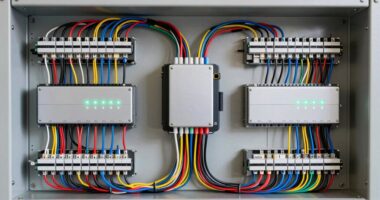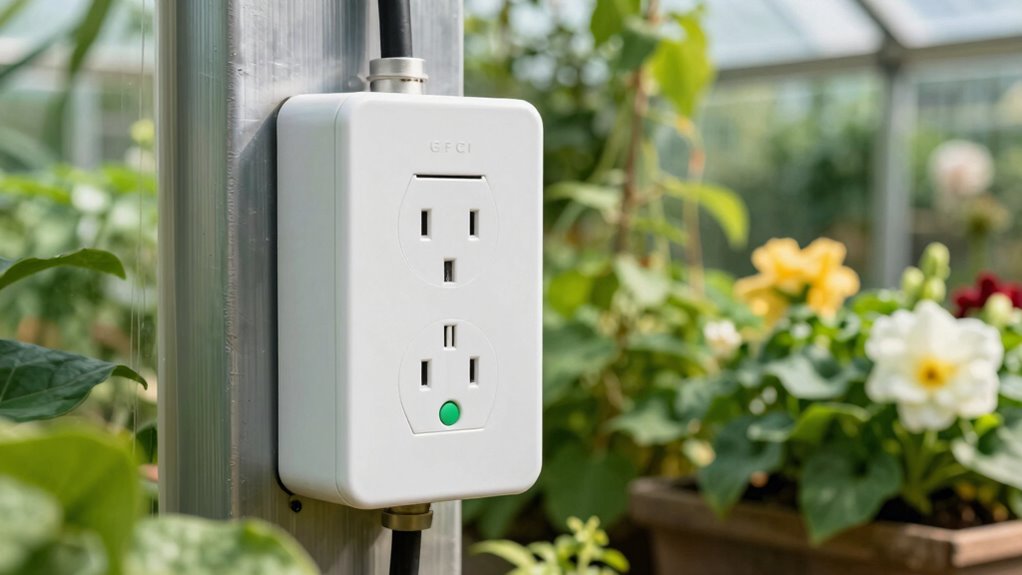

Installing GFCI outlets in your greenhouse is key to preventing electrical shocks and water damage. These safety devices detect small electrical leaks caused by moisture and trip instantly to cut power, protecting you and your plants. Proper setup, regular testing, and timely upgrades ensure reliable protection. If you want to avoid scary surprises and keep your greenhouse safe, understanding how GFCIs work and their maintenance is essential—you’ll find helpful tips to keep everything secure.
Key Takeaways
- Installing GFCI outlets in greenhouses detects electrical leaks and cuts power instantly, preventing shocks and electrical hazards.
- Proper wiring, grounding, and weatherproofing ensure reliable GFCI operation in moisture-rich greenhouse environments.
- Regular testing and maintenance of GFCIs prevent false trips and ensure continuous safety protection.
- Upgrading outdated or damaged GFCIs reduces the risk of electrical failures and maintains compliance with safety standards.
- Using GFCIs with quick response times and high sensitivity minimizes “scary surprises” caused by moisture and wiring issues.

10 Miles Solar Powered Electric Fence Charger – 0.18J Output, 24/7 Day/Night Protection, Portable Fence Energizer for Dogs, Chickens, Garden, Livestock, Rechargeable Solar Panel, Rugged & Waterproof
【Ultra-Portable Solar Charger】Designed for convenience, this lightweight solar electric fence charger can be quickly moved between fences near...
As an affiliate, we earn on qualifying purchases.
Why GFCI Outlets Are Critical for Greenhouse Electrical Safety

Because greenhouses often contain high humidity and water sources, GFCI outlets are essential for electrical safety. They protect you from dangerous ground faults that can occur when electricity contacts water or damp surfaces. A ground fault happens when electrical current leaks from a device to the ground, increasing the risk of shock or electrocution. GFCIs monitor the flow of electricity and quickly shut off power if they detect any imbalance, preventing potentially deadly shocks. This rapid response is vital in a greenhouse environment where moisture and water increase the likelihood of electrical leaks. By installing GFCI outlets, you considerably reduce the risk of electrical accidents, ensuring a safer space for you and your plants. Proper grounding and circuit protection are also crucial components of a comprehensive safety plan. Prioritizing electrical safety with GFCIs is a smart, lifesaving move.
10 Miles Solar Electric Fence Charger with Day/Night Mode, 0.16J Portable Solar Fence Charger with Rechargeable Solar Panel for 24-Hour Uninterrupted Protection Electric Fence Energizer
Powerful Energizer: Solar Fence Charger is compact and easy to install and move, making it the ideal solution...
As an affiliate, we earn on qualifying purchases.
How GFCI Outlets Detect and Prevent Electrical Leaks

GFCI outlets monitor the electrical current flowing through hot and neutral wires constantly. When they detect an imbalance, they act immediately to cut power, preventing shocks. This quick response helps keep you safe from potentially dangerous electrical leaks. Additionally, integrating air purifier maintenance, such as ensuring filters are clean and replaced as recommended, can reduce indoor pollutants and improve overall air quality.
Detects Imbalance Instantly
When an electrical leak occurs, GFCI outlets quickly detect the imbalance between the live and neutral wires, preventing potential shocks or fires. This process happens almost instantly when a ground fault causes some current to leak outside the wiring system. The GFCI constantly monitors the flow of electricity through the circuit, comparing the current in the hot and neutral wires. If it detects an electrical imbalance as small as 4 to 6 milliamps, it automatically trips. This rapid response helps prevent dangerous situations, as the GFCI cuts power before someone can get seriously shocked. By detecting ground faults instantly, these outlets provide a vital safety barrier, especially in areas where water and electricity might come into contact, like greenhouses. Additionally, energy-efficient technology in GFCI outlets supports sustainable safety practices by reducing unnecessary power use while maintaining protection.
Cuts Power Quickly
GFCI outlets act swiftly to cut power the moment they detect an electrical leak. When a ground fault occurs, and current leaks to the ground instead of through the intended circuit, the GFCI senses this imbalance almost instantly. Because of its rapid detection, the outlet can disconnect power within milliseconds, preventing potential shocks or fires. This quick response minimizes the risk of injury or damage caused by electrical leaks. When a ground fault is identified, the GFCI immediately trips, cutting off electricity to the outlet and any connected devices. This swift action is critical in environments like greenhouses, where moisture and water increase the chances of electrical leaks. By shutting off power promptly, GFCI outlets keep you safe and protect your equipment.

DEWALT Drill Bit Set, 3-Flats Shank,14-Piece, 135 Degree Split Point, for Plastic, Wood and Metal (DWA1184)
135 Degree Split point tip design to help reduce walking
As an affiliate, we earn on qualifying purchases.
How to Pick the Best GFCI Outlet for Your Greenhouse

Choosing the right GFCI outlet for your greenhouse is essential to guarantee safety and reliable operation. You want a GFCI that can handle the moisture from plant watering and ventilation systems without tripping unnecessarily. Look for outlets with high sensitivity and fast response times to protect against ground faults caused by excess humidity or water splashes. Consider outlets rated for outdoor or damp locations, ensuring durability in humid conditions. A GFCI with a test and reset button makes maintenance easier, so you can verify it’s working properly. Additionally, choose a model with enough outlets to cover your lighting, watering, and ventilation needs, reducing the need for multiple units. Picking the right GFCI ensures your greenhouse stays safe while supporting healthy plant growth. For added peace of mind, select a GFCI that is trusted by consumers and has positive reviews for durability and performance in humid environments.

Maotong 240FT Drip Irrigation System Kit New Quick-Connect, Automatic Garden Watering Misting System for Greenhouse, Yard, Lawn, Plant with 1/2 inch Hose 1/4 inch Distribution Tubing and Accessories
Effortless Setup with Quick Connect Design: Say goodbye to tedious setups! Our upgraded 4-way connector, tee, and emitter...
As an affiliate, we earn on qualifying purchases.
How to Install GFCI Outlets Safely in Your Greenhouse

Before you start, turn off the power to guarantee safety. Next, select the right GFCI outlet for your greenhouse’s needs. Finally, follow wiring procedures carefully to avoid mistakes and ensure a secure installation. Incorporating proper grounding and understanding electrical safety principles can further protect your setup and prevent electrical hazards.
Turn Off Power First
Always make certain the power is turned off before you begin installing a GFCI outlet in your greenhouse. This step is vital for electrical safety and preventing shocks caused by ground faults. To ensure safety:
- Turn off the circuit breaker controlling the outlet’s circuit.
- Use a voltage tester to confirm the power is fully off.
- Remove the existing outlet carefully.
- Avoid touching any wires until you’re sure no current is present.
- Consulting vacuum features to consider can help you understand the importance of proper safety measures when working with electrical equipment.
Choose Proper GFCI Outlet
Selecting the right GFCI outlet is vital for guaranteeing safety and compatibility with your greenhouse’s electrical setup. There are different GFCI types, such as receptacle-mounted and circuit breaker units, so you need to choose the one suitable for your needs. Make sure the GFCI outlet matches your existing wiring and fits into your designated outlets. Check the amperage ratings and ensure it’s compatible with your circuit’s requirements. Opt for a GFCI with a clear, easy-to-understand reset button and indicator lights for quick status checks. Proper outlet compatibility guarantees that the GFCI will work correctly, providing reliable protection against ground faults. Choosing the appropriate GFCI also involves understanding electrical safety standards to ensure compliance and maximum protection. Picking the right GFCI is a vital step in creating a safe, efficient greenhouse electrical system.
Follow Wiring Procedures Carefully
Proper wiring is key to guaranteeing your GFCI outlet functions safely and reliably in your greenhouse. To do this, follow wiring procedures carefully to avoid hazards. First, use proper grounding techniques to prevent electrical shock risks. Second, ensure all connections are tight and secure to maintain consistent performance. Third, always enclose wiring in weatherproof enclosures to protect against moisture and corrosion. Fourth, double-check that the wiring matches the manufacturer’s instructions and local electrical codes. These steps help assure your GFCI outlet operates correctly and remains safe over time. Proper wiring minimizes the chance of shorts or failures and keeps your greenhouse environment safe. Taking these precautions ensures your electrical setup is both effective and durable, protecting your plants and yourself. Additionally, consulting electrical safety standards can provide further guidance on proper installation practices to ensure safety and compliance.
Troubleshooting GFCI Outlets in Your Greenhouse : Tips and Fixes
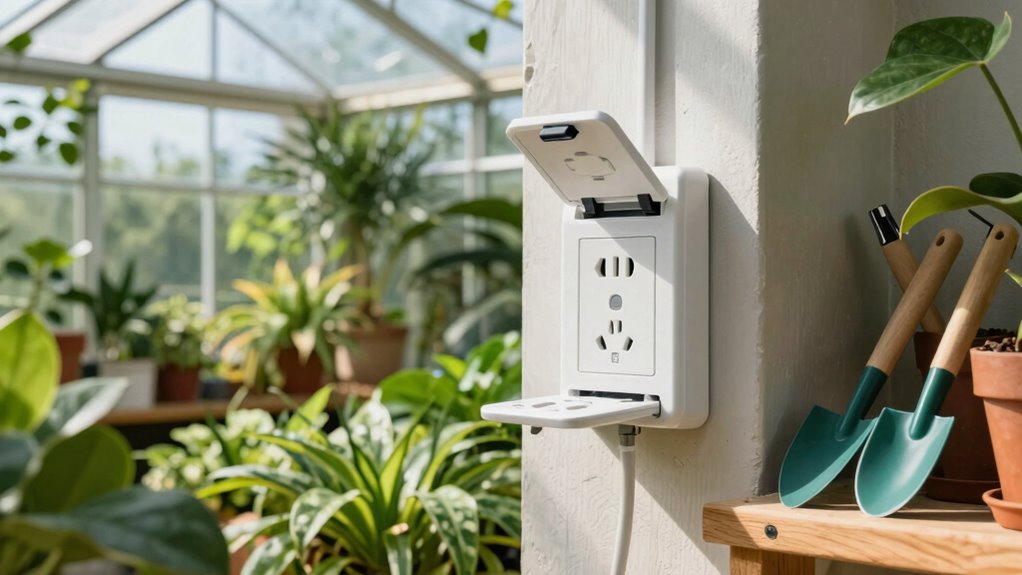
When your GFCI outlet in the greenhouse trips repeatedly, it can disrupt your gardening routine and raise safety concerns. First, check for moisture damage, as humidity can cause false trips. Inspect the outlet and surrounding area for dampness or water intrusion. If moisture is present, dry the area thoroughly and consider installing a protective cover. Sometimes, garden lighting or faulty wiring can cause trips too. Use the table below to troubleshoot common issues:
| Issue | Solution | Prevention |
|---|---|---|
| Moisture damage | Dry and seal outlet; improve ventilation | Use weatherproof covers |
| Garden lighting | Check wiring; replace faulty fixtures | Use outdoor-rated lighting |
| Frequent trips | Reset GFCI; test with a GFCI tester | Avoid overloading circuits |
| Wiring issues | Consult an electrician if needed | Follow wiring procedures carefully |
Additionally, understanding the importance of proper electrical setup can help prevent scary surprises in your greenhouse.
When to Replace or Upgrade Your GFCI Outlets for Better Safety
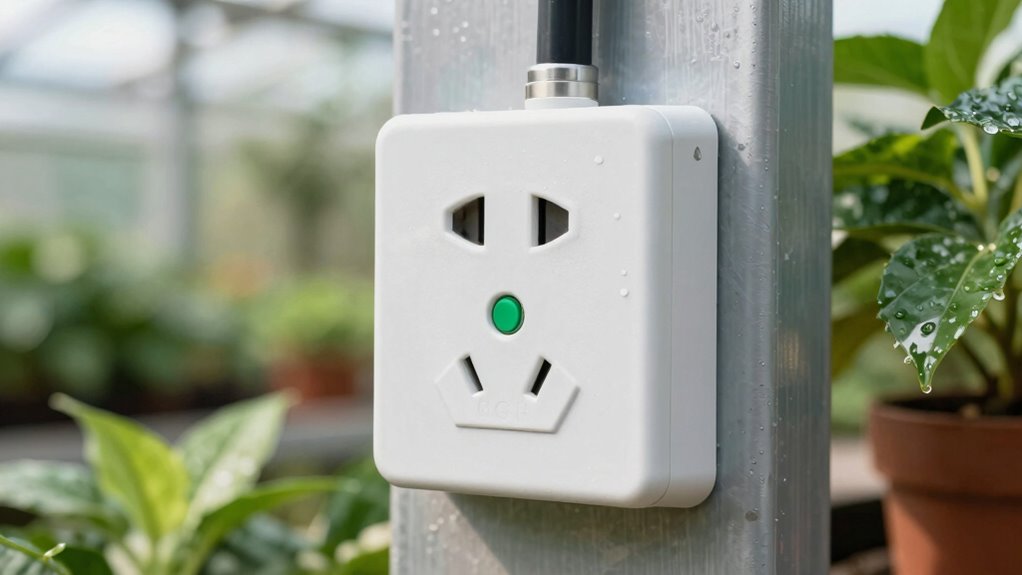
Knowing when to replace or upgrade your GFCI outlets is crucial for maintaining safety in your greenhouse. GFCI lifespan varies, but most last around 10 to 15 years. If your GFCI shows outdated signs, it’s time for an upgrade. Look out for:
Regularly check your GFCI outlets and replace them every 10 to 15 years for optimal greenhouse safety.
- Frequent trips or failure to reset
- Visible damage or corrosion
- Age beyond recommended lifespan
- Inconsistent ground fault protection
These signs indicate your GFCI may no longer provide reliable safety. Upgrading ensures your system stays protected against electrical shocks and hazards. Don’t delay replacing outdated GFCIs—doing so keeps your greenhouse safe and compliant with electrical standards. Regular checks and timely upgrades are key to maintaining an effective safety setup. Additionally, understanding the testing procedures and using simple tools like a GFCI tester can help you verify proper function between inspections.
Frequently Asked Questions
Can GFCI Outlets Be Used Outdoors in All Weather Conditions?
Yes, GFCI outlets can be used outdoors in all weather conditions if they’re weather-resistant and meet electrical compatibility standards. You should choose outlets specifically designed for outdoor use, which are built to withstand rain, humidity, and extreme temperatures. Always guarantee they are properly installed and protected with weatherproof covers to maintain safety and functionality, preventing electrical hazards in your greenhouse or outdoor space.
How Often Should I Test My GFCI Outlets for Safety?
Ever wonder how often you should test your GFCI outlets for safety? You should do it monthly to make sure they’re functioning properly. Incorporate testing into your regular maintenance schedule, and don’t skip it—faulty GFCIs can be dangerous. Simply press the test button, then the reset button. This routine keeps your greenhouse safe, preventing surprises and protecting you from electrical hazards. Staying consistent is key to peace of mind.
Are GFCI Outlets Compatible With All Greenhouse Environments?
Yes, GFCI outlets are compatible with most greenhouse environments, but you should consider specific factors. Confirm the GFCI outlet you choose is rated for outdoor or wet locations, and check its durability against humidity, temperature fluctuations, and water exposure. Proper installation and regular testing are essential. By considering these greenhouse environment considerations, you can confidently use GFCI outlets to enhance safety and protect your equipment.
What Are Common Signs That a GFCI Outlet Is Failing?
You might notice your GFCI outlet acting up when the faulty indicator lights unexpectedly or if it starts tripping more often than usual. These signs suggest the outlet is failing and may no longer safeguard against ground faults effectively. Keep an eye on these clues, and if tripping becomes frequent or the indicator malfunctions, it’s time to replace the GFCI to ensure your greenhouse stays safe and protected.
Do GFCI Outlets Require Special Wiring or Electrical Knowledge to Install?
You don’t need special wiring or electrical expertise to install GFCI outlets, but understanding wiring complexity facilitates. If you’re comfortable working with basic wiring, you can usually handle the installation yourself by following instructions carefully. However, if your wiring setup is complicated or you’re unsure about electrical codes, it’s best to hire a professional. Proper installation ensures safety and proper functioning of your GFCI outlet.
Conclusion
By choosing and maintaining the right GFCI outlets, you’re not just protecting your greenhouse—you’re safeguarding your loved ones and your passion. Think of these outlets as silent guardians, standing watch against unseen dangers. Don’t wait for a shock to remind you of the importance of safety. Embrace these simple upgrades today, and breathe easy knowing your green oasis is shielded from electrical surprises—because safety isn’t just a choice, it’s a promise you make to yourself and those you care about.