TL;DR

Get garden gear delivered free with Prime
- Fast, free delivery on millions of items
- Prime Video, Amazon Music and more included
- Member-only deals all year
Gardening Know How recommends reusing cardboard, sheets, milk jugs, bubble wrap, newspaper, autumn leaves and paper tubes to help protect plants during light frost. These materials have limits: covers generally need to come off after temperatures rise, plastic should not touch foliage, and the methods are not suited to prolonged freezes.
Gardening Know How has outlined seven household items gardeners can save in fall to help protect plants during light frost, including cardboard boxes, old sheets, milk jugs and newspaper. The advice offers low-cost, short-term ways to cover tender plants, while warning that improvised materials are not a substitute for protection during a prolonged freeze.
The list includes cardboard boxes, bed sheets and pillowcases, cut-open plastic milk jugs, bubble wrap for pots, newspaper, autumn leaves and toilet-paper or paper-towel tubes. The report says boxes and fabric can cover plants overnight, while a jug with its bottom removed can act as a small cover for a seedling. Bubble wrap is suggested for insulating the outside of a container rather than covering foliage.
The methods work in different ways and for different purposes. Covers can help hold warmth escaping from the soil on a clear, calm night; autumn leaves can insulate the crowns and roots of perennials after the soil cools. Paper tubes are mainly collars to protect young stems from cutworms and wind, and the report says they provide little frost protection on their own.
The report advises securing lightweight coverings against wind and removing opaque covers, including cardboard and newspaper, in the morning, as part of a tidy fall garden routine. It also says plastic should not touch leaves because it can carry cold directly to them. For milk-jug covers, the cap can be left on during cold nights but should be removed on sunny days to let heat escape. The source does not provide independent testing or temperature thresholds for these methods.
Low-Cost Covers for Chilly Nights
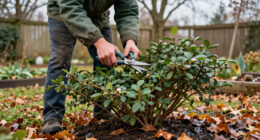
For gardeners facing a brief overnight frost, reusing household items may offer a practical temporary option before buying specialist covers. Protecting tender crops through an early cold snap can help extend a harvest, particularly when milder weather follows. The advice is most relevant to people with a few vulnerable plants or containers, rather than those needing protection across a large plot.
Correct use matters: a wet or poorly secured covering may not protect plants as intended, and a sealed plastic jug can heat up in sunshine. Taking covers off once conditions warm also reduces the risk of trapping excess heat and moisture. These are short-term measures, not a guarantee against plant damage.
Products Worth Considering

Rachio 3 Smart Sprinkler Controller, 16 Zones

EVERECO Polycarbonate Greenhouse Panels, 8 ft × 4 ft × 0.24 in, 6-Pack

Orbit B-hyve XR 8-Zone Indoor/Outdoor Smart Sprinkler Controller
As an affiliate, we earn on qualifying purchases.
How Frost Covers Hold Warmth
The Gardening Know How report describes frost protection as a way to slow heat loss from soil and plants overnight. On a clear, calm night, warmth stored in the ground during the day can escape upward. A cover may catch some of that heat, particularly when draped loosely with its edges reaching the ground and enough space left so it does not press against stems.
The source distinguishes a light frost that clears by mid-morning from a freeze that continues for days. It says cardboard and cotton can help plants through the former but not the latter. For container plants, it notes that roots are more exposed to cold through pot walls than roots surrounded by garden soil; insulating the outside of a pot with bubble wrap is intended to slow that heat loss.
“They’ll carry plants through a light frost … but not a freeze that sits in for days.”
— Gardening Know How
Limits of the Household Methods
The report does not give exact temperature cutoffs, exposure times or plant-by-plant guidance for when each item is sufficient. Actual results may depend on local conditions, including wind, moisture, the length of the cold spell and how close a cover sits to the plant. The source describes these options for light frost, but does not establish that they will prevent damage in every garden.
It is also unclear from the report how much warmth any individual material retains under particular conditions. Gardeners should not treat a household cover as reliable protection for a multi-day freeze; the article recommends stronger, purpose-made frost protection for wet nights and extended cold, without setting a universal performance standard.
Prepare Covers Before Frost Alerts
The report recommends saving suitable items as they come through the household and keeping them dry until a frost advisory. Before nightfall, gardeners can choose a cover suited to the plant, secure it against wind and keep plastic away from leaves. Checking conditions in the morning is part of the routine: remove opaque covers and ventilate milk jugs once temperatures rise.
For vulnerable plants facing a longer freeze, the advice points toward dedicated frost blankets or other more durable protection rather than relying on cardboard, cotton or damp paper. The source does not identify a further report or scheduled update; the next step for readers is to follow local forecasts and adjust protection to the duration and severity of the cold.
Key Questions
Which household items does the report recommend saving?
Cardboard boxes, old sheets or pillowcases, milk jugs, bubble wrap, newspaper, autumn leaves and cardboard paper tubes are the seven items listed by Gardening Know How.
Can these materials protect plants from a hard freeze?
The report says cardboard and cotton are suited to a light frost, not a freeze lasting several days. It does not provide a guaranteed temperature range for any of the methods.
Should plastic touch plant leaves?
No. The source warns against letting plastic press against foliage. Use it over a frame or fabric layer, or use bubble wrap around the outside of a pot.
When should frost covers come off?
Remove opaque covers such as cardboard and newspaper in the morning. The report says covers should come off once the air is above freezing, and milk-jug caps should be removed on sunny days to let heat escape.
What are paper tubes used for?
Toilet-paper or paper-towel tubes can form collars around young seedlings to help guard stems against cutworms and cold wind. The report says they provide little frost protection by themselves.
Source: gardeningknowhow.com