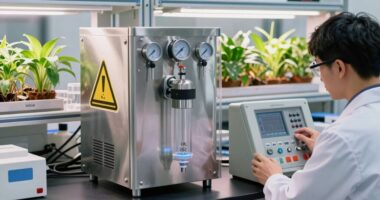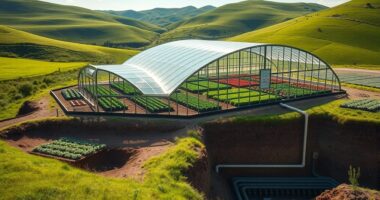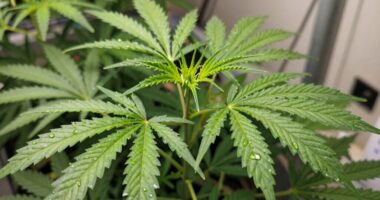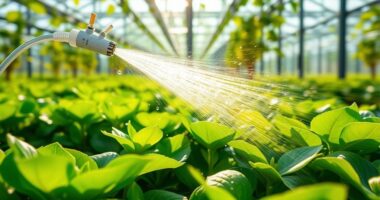
Aeroponics in greenhouses takes soilless growing to the next level by suspending plants in the air and misting roots with nutrient-rich solutions. This method boosts yields, cuts water and nutrient use, and reduces pests and soil-borne diseases. It allows for precise control over environmental conditions, making crop rotation more flexible and sustainable. If you keep exploring, you’ll uncover how this innovative approach can revolutionize your greenhouse farming and crop management strategies.
Key Takeaways
- Aeroponics enables efficient, soil-free crop production with precise nutrient misting in greenhouses.
- It enhances pest management by creating controlled environments and reducing pest entry points.
- The technology allows higher yields and faster crop rotation without soil nutrient depletion.
- Aeroponics minimizes environmental impact through sustainable resource use and reduced pesticide reliance.
- It paves the way for innovative, high-precision greenhouse farming with diverse crop options.

Have you ever wondered how modern greenhouses are revolutionizing crop production? One of the most exciting advancements is aeroponics, a soilless growing technique that suspends plants in the air while roots are misted with nutrient-rich solutions. This method isn’t just about innovation; it’s about efficiency, sustainability, and higher yields. As you explore the potential of aeroponics, you’ll realize how it transforms traditional farming practices, especially regarding crop rotation and pest management.
In conventional agriculture, crop rotation is essential to maintaining soil health and preventing disease buildup. But with aeroponics, soil is no longer a limiting factor, allowing you to focus on managing plant health directly through controlled environments. This eliminates many issues associated with soil-borne pests and diseases, making crop rotation less about soil health and more about optimizing plant variety schedules to prevent pest cycles. You can switch crops more frequently without worrying about exhausting soil nutrients or creating a habitat for pests. This flexibility reduces the need for chemical interventions and supports sustainable practices. Plus, because aeroponics uses minimal water and nutrients, you can tailor your crop succession precisely, ensuring each plant gets what it needs without waste or contamination.
Pest management becomes substantially more straightforward in an aeroponic system. Since plants are suspended in a controlled environment, you can easily monitor and access their roots and foliage. This visibility helps you detect pest issues early, preventing infestations from spreading. Furthermore, aeroponics minimizes the entry points pests typically exploit in soil-based systems, drastically reducing the likelihood of soil-borne pests and diseases. You’re less dependent on chemical pesticides, which not only benefits the environment but also produces healthier, cleaner crops. You can implement integrated pest management strategies more effectively, combining biological controls and physical barriers within the closed system. This approach reduces chemical use and keeps your crops free from contamination, which is essential for organic produce and high-quality yields.
Additionally, because aeroponics creates an ideal environment for plant growth—constant humidity, temperature control, and precise nutrient delivery—you can fine-tune conditions to discourage pests naturally. The system’s closed nature also means that any pests or diseases are less likely to spread outside your greenhouse, giving you better control over crop health. Overall, aeroponics offers a new level of precision in crop management, making crop rotation and pest management more effective and sustainable. It allows you to cultivate more diverse crops with fewer inputs, less risk, and higher productivity, shaping the future of advanced greenhouse farming.

Gardyn Studio 1 Vertical Hydroponics Growing System Kit - 16 Non-GMO Plants, Herbs, Vegetables - Tower Garden - Hydroponic Herb Garden Planter Indoor Kit - Indoor Gardening System with LED Grow Lights
COMPACT HYDROPONIC SYSTEM: The Gardyn Studio 1 hydroponics growing system kit grows 16 full-sized indoor plants in only...
As an affiliate, we earn on qualifying purchases.
Frequently Asked Questions
What Are the Initial Setup Costs for Aeroponics Systems?
You’ll find that initial setup costs for aeroponics systems vary based on size and complexity, but generally, a thorough cost analysis shows significant equipment investments. You’ll need to budget for high-pressure pumps, misting nozzles, reservoirs, and control systems. While the upfront expense can be substantial, investing in quality equipment guarantees reliable operation, helping you maximize yields and efficiency in the long run.
How Do Aeroponics Systems Impact Plant Nutrient Absorption?
Aeroponics systems enhance plant nutrient delivery by providing a fine mist of nutrients directly to roots, ensuring efficient absorption. This method also improves root zone oxygenation because the roots are suspended in air, allowing maximum oxygen exposure. As a result, plants grow faster, healthier, and with better nutrient uptake. You’ll notice increased yields and stronger growth since the system optimizes both nutrient absorption and oxygen availability for the roots.
Can Aeroponics Be Used for All Types of Greenhouse Crops?
You can use aeroponics for many greenhouse crops, but crop diversity and crop suitability vary. Leafy greens and herbs thrive, while root vegetables may face challenges due to their growth habits. Think about your specific crop needs and environmental conditions. Aeroponics offers high efficiency and fast growth, but not all crops are ideally suited. Assess each crop’s requirements to determine if aeroponics can work effectively in your greenhouse.
What Are Common Troubleshooting Issues in Aeroponics?
You might face common troubleshooting issues like clogging, inconsistent nutrient delivery, or system leaks. To prevent these, regularly check pest management protocols and perform system maintenance. Keep nozzles clean, monitor pressure levels, and inspect for blockages. Proper maintenance guarantees your aeroponics system runs smoothly, avoiding crop stress. Address issues promptly, and stay vigilant with pest control, to ensure healthy, thriving plants in your greenhouse.
How Does Aeroponics Affect Water Usage Efficiency?
Aeroponics substantially boosts water usage efficiency by delivering nutrient mist directly to roots, reducing waste. You’ll notice improved water conservation because less water evaporates or runs off compared to traditional methods. This system maximizes resource efficiency, saving you water and nutrients while maintaining healthy plant growth. By fine-tuning mist cycles and pressures, you optimize water delivery, ensuring your plants get what they need without excess, making your greenhouse more sustainable and productive.

JPWDDWYT Hydroponics Tower Indoor Growing System Vertical Garden Planter Indoor Smart Garden Kit with Pump and Movable Water Tank Vegetable Plant Gift for Gardening Lover (35-Plants)
SOILLESS CULTIVATION: Hydroponics is used instead of traditional soil cultivation, so the automatic top-down timed watering cycle makes...
As an affiliate, we earn on qualifying purchases.
Conclusion
Embracing aeroponics in your greenhouse is like opening a window to the future of farming. It’s a high-tech symphony where roots dance in the air, feeding plants with precision and grace. With every misted droplet, you nurture a lush, thriving garden that reaches beyond traditional limits. So, step into this next level of soilless growing—where innovation blossoms and your green haven becomes a masterpiece of nature and technology intertwined.

VECELO 5 Tier Vertical Garden Planter, Self Watering Stackable Planters with Wheels for Strawberries, Herbs, Flowers, Vegetables, White
Space-Saving : This strawberry planter maximizes your gardening space by stacking 5 layers to grow more plants in...
As an affiliate, we earn on qualifying purchases.
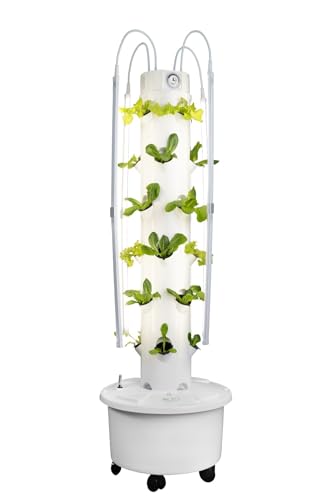
ALTO GARDEN GX Hydroponic Tower | Vertical Planter Tower | Hydroponics Growing System Kit | Food Grade with 24 Net Pots (with LED Grow Lights)
[ALTO GARDEN FEATURES] Fully contained, self-watering and self-lighting hydroponics growing system. Tower walls are an industry-leading 2mm thick....
As an affiliate, we earn on qualifying purchases.