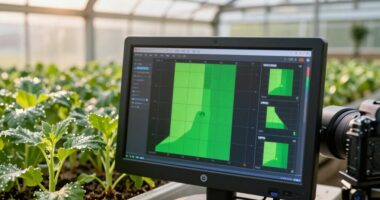
You quickly adapt your daily tasks based on weather cues, like adjusting irrigation during cool mornings or reducing watering during hot afternoons to prevent runoff. You may also protect crops from sudden storms or high humidity, using covers or adjusting spacing to prevent mold. Your awareness of microclimates helps you fine-tune these actions for the best plant health. Staying attentive to weather patterns allows you to respond instinctively, and if you keep exploring, you’ll master even more effective strategies.

Get garden gear delivered free with Prime
- Fast, free delivery on millions of items
- Prime Video, Amazon Music and more included
- Member-only deals all year
Key Takeaways
- Monitoring soil moisture levels and adjusting watering routines based on time of day and weather conditions.
- Increasing pest and disease surveillance during warm, humid periods for targeted interventions.
- Modifying airflow, spacing, and humidity control measures in response to weather changes to prevent mold.
- Securing equipment or harvesting early ahead of storms or adverse weather events.
- Fine-tuning irrigation and protective practices by interpreting microclimate cues and weather patterns.
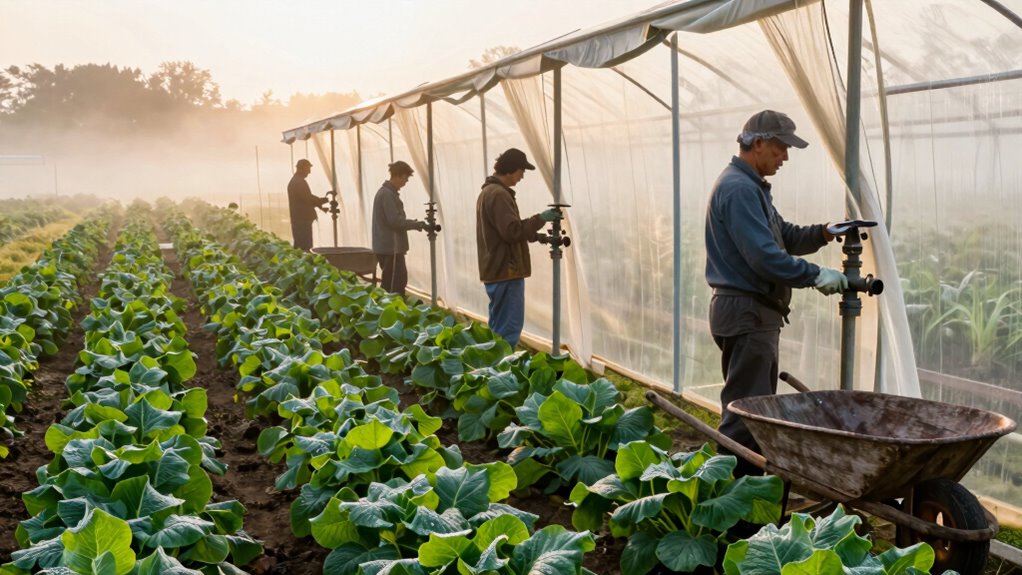
Understanding daily climate variations is essential for growers aiming to maximize their yields and plant health. As you tend to your crops, you quickly learn to read the subtle signs that indicate how the weather is shifting. For instance, when mornings grow cooler and dew forms on the leaves, you recognize that soil moisture levels are different from midday, prompting you to adjust watering routines accordingly. You might increase irrigation slightly early in the day if the soil feels dry, preventing stress on your plants during peak heat. Conversely, if the afternoon heat is intense, you may reduce watering or delay it to avoid water runoff and root rot. These adjustments help maintain ideal soil moisture, which is critical for healthy root development and nutrient uptake.
Your daily climate awareness also influences your pest management strategies. When temperatures rise unexpectedly, pests tend to become more active, so you might increase monitoring or apply targeted treatments to prevent infestations. If a sudden cold snap occurs, you know certain pests become less active, giving you a temporary reprieve. However, you also understand that fluctuating humidity and temperature can create perfect conditions for fungal diseases, prompting you to adjust fungicide schedules or implement protective coverings. Your ability to anticipate how weather patterns impact pest behavior allows you to stay one step ahead, reducing the need for broad-spectrum chemical use and promoting healthier plants. Recognizing the importance of microclimates helps you fine-tune your responses to localized weather variations.
Monitoring weather changes helps you manage pests effectively and prevent fungal diseases with targeted, timely actions.
You develop an intuitive sense for how to adapt daily tasks based on the weather forecast. If a storm is coming, you might secure loose equipment or harvest early to prevent crop damage. If humidity is high, you might increase airflow or adjust spacing to discourage mold and mildew. When prolonged dry spells occur, you prioritize soil moisture management by using mulch or drip irrigation to conserve water and maintain consistent moisture levels. Additionally, understanding the importance of biodiversity in your ecosystem helps foster natural pest control and resilient plant health. Recognizing the role of climate variability in pest and disease development further enhances your proactive approach, enabling more precise interventions. This awareness of the microclimate conditions allows for even more tailored responses, minimizing stress on your plants.
Over time, these automatic adjustments become second nature. You learn to interpret weather cues and modify your practices instantly—whether it’s tweaking irrigation schedules, applying pest controls, or protecting your crops from adverse conditions. This continual adaptation ensures your plants stay healthy, your soil retains the right moisture balance, and pest pressures remain manageable. In the end, your responsiveness to daily climate changes forms the backbone of successful, sustainable cultivation, allowing you to maximize yields while minimizing risks. Developing a keen understanding of climate patterns can further enhance your ability to anticipate and respond effectively to weather changes.
soil moisture meter for gardening
As an affiliate, we earn on qualifying purchases.
As an affiliate, we earn on qualifying purchases.
Frequently Asked Questions
How Do Climate Changes Affect Different Crop Types Differently?
Climate changes impact crop types differently because of their varying crop resilience and soil moisture needs. You notice some crops, like drought-tolerant varieties, adapt better to reduced soil moisture, while others struggle. Changes in temperature and rainfall can stunt growth or cause diseases in sensitive crops. Adjusting practices to support crop resilience helps you manage these effects, ensuring healthier yields despite shifting climate patterns.
What Tools Assist Growers in Monitoring Climate Conditions?
You use tools like weather stations and apps to monitor climate conditions closely. These tools track soil moisture levels, helping you decide when to irrigate and prevent drought stress. They also provide real-time data on temperature and humidity, aiding pest management by predicting pest outbreaks. With these tools, you can make informed decisions, adjust your practices promptly, and optimize crop health despite changing climate conditions.
How Quickly Can Growers Adapt to Sudden Climate Shifts?
Like a seasoned sailor adjusting sails, you can respond to sudden climate shifts within hours, thanks to your keen awareness and tools like soil management and pest control. You swiftly evaluate conditions, modify watering or cover crops, and deploy pest control measures to protect your crop. Your experience allows you to adapt quickly, minimizing damage and maintaining productivity even when weather changes unexpectedly, keeping your farm resilient and thriving.
Are There Specific Climate Patterns That Signal Upcoming Adjustments?
Yes, certain climate patterns signal upcoming adjustments, helping you boost your climate resilience. You should watch for shifts in weather forecasting, like extended droughts or heavy rain spells, which indicate changing conditions. Recognizing these patterns early allows you to adapt proactively, ensuring your crops stay healthy. Staying informed about climate signals enables you to make timely adjustments, minimizing risks and maintaining productivity despite unpredictable weather fluctuations.
What Are the Long-Term Impacts of Routine Climate Adjustments?
Your routine climate adjustments act like a steady compass, guiding your farm through changing weather. Over time, they build climate resilience, making your crops stronger against unpredictable storms. This adaptability encourages crop diversification, which spreads risk and boosts stability. Long-term, these adjustments create a resilient landscape, allowing you to thrive despite climate shifts. Embracing this rhythm guarantees your farm remains vibrant, sustainable, and ready for whatever weather comes next.
Conclusion
By subtly tuning your approach each day, you gently navigate the ever-changing climate, turning challenges into opportunities. Your instinctive adjustments guarantee your crops flourish, even when the weather isn’t perfectly cooperating. Remember, it’s in these small, almost subconscious shifts that true mastery lies—guiding your plants gracefully through nature’s unpredictable rhythm. Embrace these daily adjustments as a quiet proof to your dedication, quietly shaping success in the face of climate’s gentle whims.
Halloween Picks
halloween
As an affiliate, we earn on qualifying purchases.