To become an advanced grower, you need to master making small, early corrections. By closely monitoring your plants for subtle signs of stress, nutrient imbalances, or pests, you can act before problems escalate. This proactive approach boosts plant health, increases yields, and reduces chemical use. Your success hinges on observation and quick response. Keep practicing these early adjustments, and you’ll discover the true secret to healthier, more productive gardens.
Key Takeaways
- Early detection of subtle plant signs allows for timely corrections, preventing larger health issues.
- Small nutrient adjustments aligned with growth stages optimize plant resilience and yield.
- Regular monitoring of soil and roots ensures proactive management of nutrient and microbiological health.
- Identifying minor pest signs early enables targeted, eco-friendly interventions before outbreaks occur.
- Developing keen observation skills transforms small signals into actionable insights for healthier crops.
Have you ever wondered what sets expert growers apart from amateurs? It’s often the small, early corrections they make that lead to big differences in the health and yield of their plants. These growers don’t wait until problems become obvious; instead, they stay vigilant and attentive to the subtle signs that indicate something’s off. This proactive approach involves understanding plant nutrition deeply and staying on top of pest management before issues escalate. When you catch deficiencies or pests early, you can address them swiftly, saving your crop from unnecessary stress and damage.
Plant nutrition is a key element that many beginners overlook or mismanage. Expert growers know that a balanced supply of nutrients isn’t just about applying fertilizer; it’s about fine-tuning the mix based on the plant’s growth stage and specific needs. Small adjustments—like increasing nitrogen during vegetative growth or boosting phosphorus during flowering—can considerably enhance plant vigor. Regular testing of soil and tissue samples helps identify deficiencies or imbalances before they manifest visually, allowing you to make precise corrections. This attention to detail fosters stronger plants that are more resilient to pests and diseases, reducing the need for reactive interventions later on. Monitoring plant health is essential for maintaining optimal growth conditions and catching issues early. Additionally, understanding the nutritional needs of your plants enables you to make these small but impactful adjustments more effectively. Being familiar with plant nutrition principles allows growers to optimize their feeding schedules and avoid common deficiencies or excesses. Staying informed about soil health and how it influences plant growth can further improve your ability to make timely adjustments. Recognizing the importance of soil microbiology can also help you implement practices that enhance nutrient availability naturally, promoting healthier root systems.
Fine-tuning plant nutrients based on growth stage boosts vigor and resilience.
Pest management, on the other hand, demands constant vigilance. Skilled growers recognize that waiting until pests are visibly widespread is a mistake. Instead, they monitor regularly for early signs—tiny eggs, discreet feeding damage, or slight discolorations—that signal an impending infestation. By catching these signs early, you can implement targeted, eco-friendly control methods that minimize chemical use and prevent outbreaks. Prevention and early intervention not only protect your plants but also keep your growing environment healthier overall. Knowing how to differentiate between harmless pests and those that threaten your crop is essential, and it allows you to take corrective actions before the problem spirals out of control.
Ultimately, the secret to success lies in the ability to observe, interpret, and respond swiftly to plant signals. Small corrections, when made early, can turn potential setbacks into opportunities for growth. Developing a keen eye for plant nutrition and pest management means you’re less likely to be caught off guard by surprises—saving time, money, and frustration. The most advanced growers understand that these small but indispensable adjustments are the difference between a good harvest and a great one. It’s about mastering the art of early intervention, ensuring your plants stay healthy, vibrant, and productive throughout their lifecycle.

Rapitest Soil Test Kit for Gardens, Vegetables, Flowers and Lawns. USA designed and assembled soil tester completely, quickly and accurately measures/analyzes soil pH acidity and garden nutrients.
Quick, at home results for Soil pH, Nitrogen, Phosphorous and Potash Innovative and inexpensive soil test kit features…
As an affiliate, we earn on qualifying purchases.
As an affiliate, we earn on qualifying purchases.
Frequently Asked Questions
How Early Should Small Corrections Be Applied During Growth?
You should apply small corrections as soon as you notice nutrient deficiencies or pest issues during growth. Early intervention helps prevent minor problems from escalating, ensuring healthier plants and better yields. Regularly monitor your plants for signs of pests or deficiencies, and act quickly to adjust nutrients or implement pest management strategies. Addressing issues early keeps your grow healthy and minimizes the need for more extensive, costly corrections later on.
What Tools Are Best for Precise Early Corrections?
You should use precision tools like tweezers, fine-tipped scissors, or a magnifying glass for early corrections. These help you make accurate adjustments to pest prevention measures or correct nutrient imbalances without damaging your plants. Using these tools guarantees you catch issues early, maintaining ideal growth and health. Small, precise corrections prevent bigger problems later, keeping your plants strong and thriving.
Can Small Corrections Prevent Major Issues Later?
A gentle touch now can keep bigger problems at bay. By making small corrections early, you help maintain pest management and nutrient balance, preventing pests from gaining a foothold and nutrients from becoming imbalanced. These subtle adjustments safeguard your crop’s health and growth trajectory, reducing the chances of major issues down the line. Staying attentive and proactive with minor tweaks guarantees a healthier, more resilient garden over time.
How Often Should I Check for Early Correction Needs?
You should check your plants daily, especially during critical growth phases, to catch early correction needs. Regular inspections help you identify nutrient deficiencies and pest prevention issues before they escalate. Look for subtle signs like discoloration or unusual spots. Addressing these small problems promptly keeps your plants healthy, minimizes major issues later, and guarantees ideal growth. Consistent monitoring is key to maintaining a thriving, productive garden.
Are There Risks in Making Corrections Too Early?
Making corrections too early can be risky, as about 30% of nutrient imbalance issues resolve naturally if caught too soon. You might overcorrect, causing more harm than good, and actually promote pest prevention problems. Early adjustments can sometimes stress your plants or disrupt growth cycles. It’s best to monitor closely and act only when signs clearly indicate a specific issue, avoiding unnecessary stress and ensuring healthy development.

SiyphuNing 10X Power Black/Clear Stand Magnifier, Ambient Light Pocket Magnifier Wine Cup Shape Magnifying Loupe Glass Pre-Focused Loupe for Viewing Plants, Coins, Stamps, Maps, Fine Print,Wildlife
SAFE AND : 10X power stand magnifier is made of ABS plastic material, safe, strong and for long…
As an affiliate, we earn on qualifying purchases.
As an affiliate, we earn on qualifying purchases.
Conclusion
Just as a master painter makes subtle strokes to bring a masterpiece to life, your small corrections and early interventions shape your crop’s future. Like a gardener tending delicate seedlings, your attentive adjustments nurture growth and resilience. Remember, the secret isn’t grand gestures but those tiny, intentional touches that steer results in your favor. Keep honing your craft; each precise move is a brushstroke toward a flourishing, vibrant harvest.

Soil Test Kit- 2-in-1 Soil & Nitrogen Test Strips(120 cnt), Accurate Soil Tester for Garden, Plants, Vegetables, Flowers, and Lawn Care.
-Two Essential Soil Tests in One: Measures soil pH (3.5–9.0) and Nitrogen levels (40–320 mg/kg) to improve nutrient…
As an affiliate, we earn on qualifying purchases.
As an affiliate, we earn on qualifying purchases.
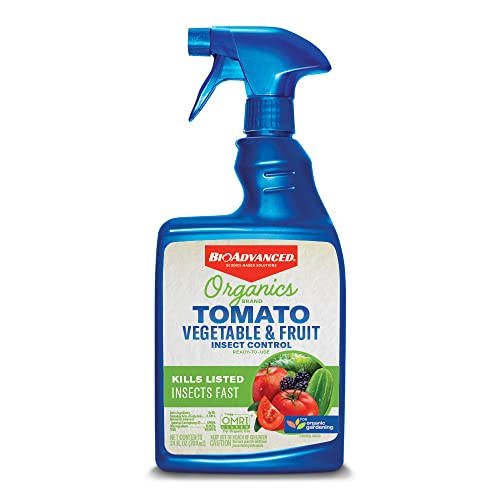
BioAdvanced Organics Brand Tomato, Vegetable & Fruit Plant Bug Spray, Ready-to-Use, 24 oz
KILLS LISTED INSECTS FAST: This plant insect spray kills by contact to protect your edibles, including organic tomatoes,…
As an affiliate, we earn on qualifying purchases.
As an affiliate, we earn on qualifying purchases.