A sustainable greenhouse gardening project starts with a well-planned setup because it helps you maximize crop yield while minimizing environmental impact. By designing your greenhouse thoughtfully, you can improve airflow, incorporate energy-efficient systems, and integrate composting and pest control strategies. This foundation creates a balanced ecosystem that promotes plant health and resilience. If you want to discover how a smart setup can support your gardening goals, keep exploring the key design features and practices.
Key Takeaways
- A well-designed setup enhances crop yield while minimizing environmental impact through efficient resource use.
- Proper infrastructure supports composting, pest control, and climate management for sustainable growth.
- Strategic design reduces disease and pest issues, lowering reliance on chemical interventions.
- Energy-efficient features and natural ventilation optimize climate control, conserving resources.
- A thoughtful setup creates a resilient ecosystem, ensuring long-term productivity and ecological balance.
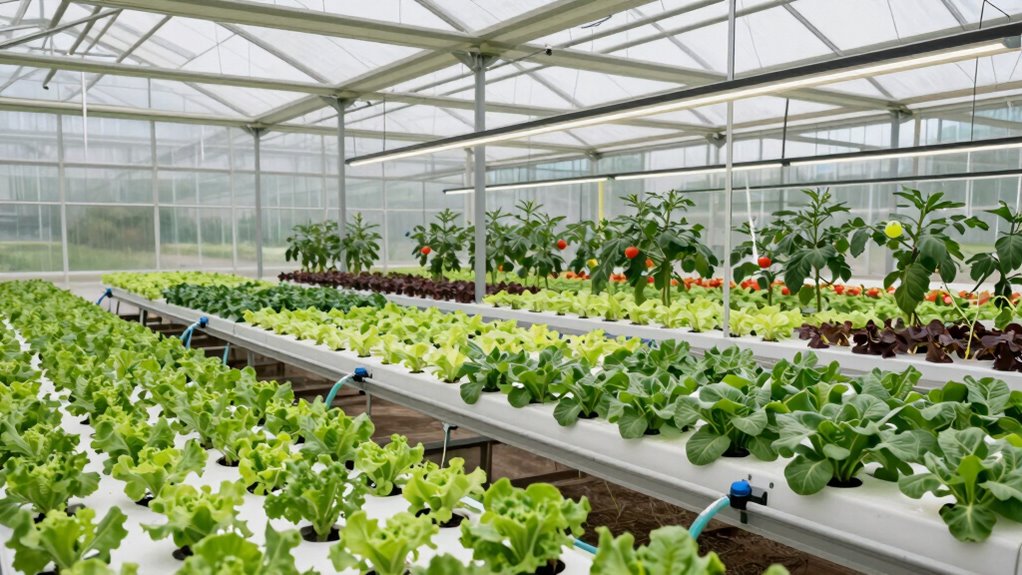
Ever wondered how to create a greenhouse that’s both productive and environmentally friendly? It all begins with your setup. A well-planned greenhouse not only boosts your yield but also minimizes your ecological footprint. Key to this is understanding that sustainable gardening starts with foundational practices like compost management and pest control. When you integrate these into your setup from the start, you set yourself up for long-term success and healthier plants.
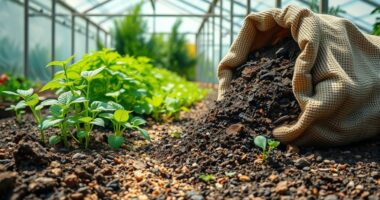
Effective compost management is crucial because it provides a natural, nutrient-rich soil amendment that reduces the need for chemical fertilizers. Instead of relying on store-bought amendments, you can compost your kitchen scraps, plant waste, and even some garden debris. This not only recycles waste but also creates a sustainable loop that nourishes your plants. Incorporating compost bins or composting areas into your greenhouse layout makes it easier to regularly add organic matter, keep the process tidy, and monitor temperature and moisture levels. Proper compost management improves soil health, enhances plant growth, and contributes to an eco-friendly system that minimizes waste and chemical runoff. Additionally, choosing energy-efficient equipment and insulation can further reduce your greenhouse’s environmental impact.
Effective compost management boosts soil health, reduces chemical use, and creates a sustainable, eco-friendly gardening system.
Pest control is another essential aspect that influences both productivity and sustainability. Instead of using chemical pesticides, you can implement integrated pest management (IPM) strategies that focus on prevention and natural deterrents. This involves selecting pest-resistant plant varieties, encouraging beneficial insects like ladybugs and predatory beetles, and using physical barriers such as screens or row covers. Your greenhouse setup should facilitate these practices by providing spaces for beneficial insects to thrive and easy access for manual removal of pests. A proactive approach to pest control reduces the need for harmful chemicals, protecting both your plants and the environment. Incorporating biological pest control methods can help maintain a healthy ecosystem inside your greenhouse. Moreover, designing your greenhouse with proper spacing allows for better airflow, which can naturally reduce humidity and disease risk. Creating a climate-controlled environment that supports beneficial organisms can also enhance pest management efforts. In addition, paying attention to microclimate conditions within the greenhouse can further promote pest resistance and plant resilience.
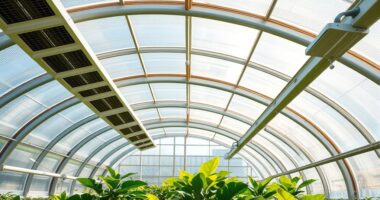
When your greenhouse setup prioritizes compost management and pest control, you create a balanced ecosystem that supports healthy plant growth. This balance reduces the likelihood of disease and pest outbreaks, meaning fewer chemical interventions are necessary. Furthermore, a sustainable setup emphasizes energy efficiency through proper insulation, natural ventilation, and renewable energy sources, further lowering your environmental impact.
In essence, the initial design and organization of your greenhouse influence everything that follows. A focus on sustainable practices like good compost management and integrated pest control ensures your gardening efforts are productive, eco-friendly, and resilient. Starting with a thoughtful setup doesn’t just improve your harvest; it helps you cultivate a greener, more sustainable future.

JupiterForce Garden Compost Bin 80 Gallon (300 L) from BPA Free Material, Large Composting Bin Outdoor Composter with Gloves, Easy Assembling, Fast Creation of Fertile Soil, Lightweight, Black
BPA Free Materials: The garden compost bin is made of BPA free materials for environmental protection and durability.All-weather…
As an affiliate, we earn on qualifying purchases.
As an affiliate, we earn on qualifying purchases.
Frequently Asked Questions
How Much Initial Investment Is Needed for a Sustainable Greenhouse?
You’ll typically need an initial investment of $2,000 to $10,000 for a sustainable greenhouse, depending on size and materials. Conduct a detailed cost analysis to understand expenses like framing, glazing, and climate control. Explore funding options such as grants, loans, or community programs to offset costs. Investing wisely upfront guarantees your greenhouse is efficient, eco-friendly, and sustainable, setting a solid foundation for successful gardening.
What Are the Most Eco-Friendly Materials for Greenhouse Construction?
Imagine you’re time-traveling to a future of eco-friendly gardening—what materials would you choose? Opt for bamboo, recycled steel, or reclaimed wood, as they’re sustainable and durable. These eco-friendly materials support composting techniques and organic pest control, reducing chemical use. They also lower your carbon footprint. By selecting these materials, you create a healthier environment while ensuring your greenhouse stays strong and eco-conscious for years to come.
How Do I Choose the Best Location for My Greenhouse?
You should choose a location with ample sunlight, ideally away from shade trees that block solar shading. Guarantee good natural ventilation strategies, like placing vents or windows on opposite sides for airflow, to maintain temperature and humidity. Avoid low-lying areas prone to frost or flooding. Picking a site with easy access and considering prevailing winds will optimize energy efficiency and plant health, making your greenhouse more sustainable and productive.
What Are Common Mistakes in Greenhouse Setup to Avoid?
You should avoid common greenhouse setup mistakes like poor ventilation, which can cause humidity issues and plant diseases. Make certain to plan for adequate airflow and natural ventilation options. Additionally, steer clear of watering errors—overwatering can lead to root rot, while under-watering stresses plants. Regularly monitor moisture levels and adjust watering schedules accordingly. Proper setup, including ventilation and watering management, ensures a healthier, more sustainable greenhouse environment.
How Can I Minimize Energy Consumption in My Greenhouse?
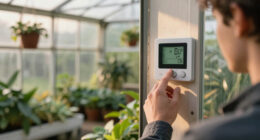
To minimize energy consumption in your greenhouse, you should incorporate solar heating and effective insulation techniques. Use solar collectors to harness free, renewable energy, reducing reliance on traditional heating. Additionally, insulate walls and windows with materials like bubble wrap or foam panels to trap heat. Proper ventilation also helps maintain consistent temperatures, cutting down on energy needs. These strategies make your greenhouse more sustainable and cost-efficient.
energy-efficient greenhouse heater
As an affiliate, we earn on qualifying purchases.
As an affiliate, we earn on qualifying purchases.
Conclusion
Getting your greenhouse setup right from the start might seem like a tall order, but it’s worth every effort. A solid foundation means healthier plants, less waste, and a more sustainable future. Remember, Rome wasn’t built in a day—small, smart choices today lead to greener tomorrows. So, don’t throw in the towel; stay patient and persistent. With the right setup, you’ll soon see your greenhouse thrive and bloom, proving that good things come to those who nurture.

The Environmental Factor NemaKnights Slow-Release Nematodes – Biological Pest Control for Fungus Gnats, Thrips, & Whiteflies (280g, Treats Up to 50 Planters)
SLOW-RELEASE NEMATODES FOR EFFECTIVE PEST CONTROL – Ready-to-use granular formulation that provides continuous protection against fungus gnats, thrips,…
As an affiliate, we earn on qualifying purchases.
As an affiliate, we earn on qualifying purchases.

iLIVING 12" Wall Mounted Shutter Exhaust Fan, Automatic Shutter, with Thermostat and Variable Speed controller, 0.6A, 960 CFM, 1400 SQF Coverage Area Silver (ILG8SF12V-ST)
POWERFUL AIR VENTILATOR – 960 CFM, 115V, 0.6A, 1/20 Horse Power, 1650 RPM, Coverage up to 1400 square…
As an affiliate, we earn on qualifying purchases.
As an affiliate, we earn on qualifying purchases.