
TL;DR

Get garden gear delivered free with Prime
- Fast, free delivery on millions of items
- Prime Video, Amazon Music and more included
- Member-only deals all year
A Homes & Gardens report explains how to plant hyacinth bulbs indoors for winter color and fragrance, including the different timing needs of prepared and unprepared bulbs. Unprepared bulbs need about 10–12 weeks in a cold, dark place before they can be moved to brighter conditions; bloom timing depends on variety and growing conditions.
Homes & Gardens has published a guide to planting hyacinths indoors for winter flowers, outlining how bulb preparation, chilling and watering affect the timing of a display. The advice gives readers without a garden a way to grow color and fragrance at home, while stressing that blooms expected in late January or February require planning ahead.
The report distinguishes between prepared bulbs, which have been heat-treated and chilled to encourage earlier flowering, and unprepared bulbs, which need a cool period before they bloom. It says unprepared bulbs can be grown indoors, but generally take longer and are less suited to an early-January display. The guide expects them to flower by February when given appropriate conditions, though it cautions that timing varies.
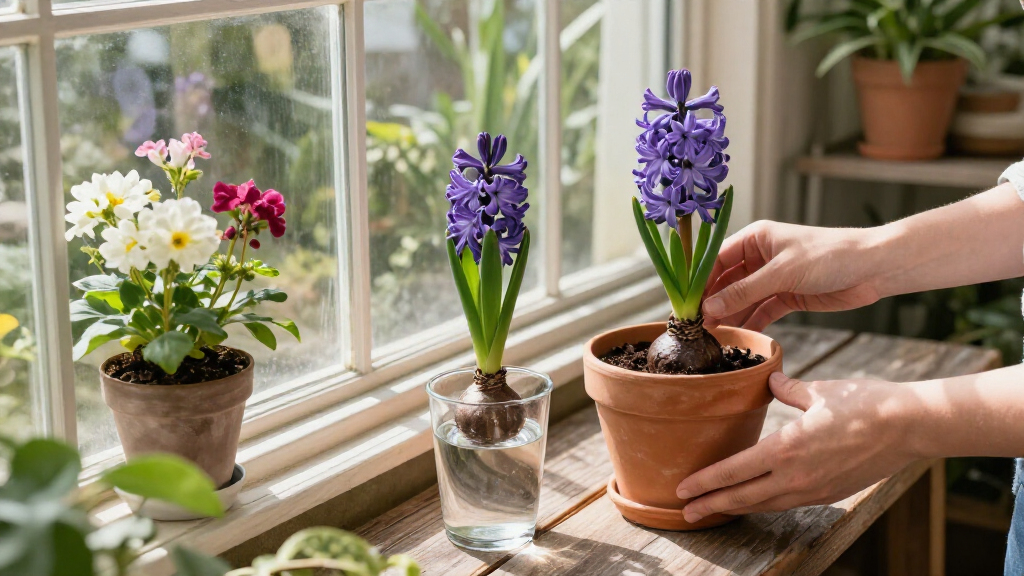
For planting, the report recommends filling a pot or bowl a little more than halfway with bulb compost, then setting bulbs close together with their tips up and roots down. Add compost around them while leaving the tips exposed. The writer says regular potting compost can be used, while bulb-fibre compost or coco coir are preferred alternatives. For containers without drainage holes, the report recommends a layer of horticultural charcoal to help limit waterlogging.
Unprepared bulbs should be kept in a cold, dark location for about 10–12 weeks, such as an unheated garage or shed. The suggested temperature is around 40–48°F, with compost kept lightly moist but not waterlogged. Once shoots reach about 1.5 inches, the guide says to move the pots to a brighter indoor spot to encourage flowering. It also suggests gloves when handling bulbs.
Planning a Winter Bulb Display
Indoor hyacinths offer a seasonal gardening option for people who have limited outdoor space or want flowers before spring arrives. The practical significance of the guide is its emphasis on working backward from the desired bloom period: unprepared bulbs need weeks of cool storage, so planting them shortly before the hoped-for display will not produce immediate flowers.
The instructions also address a common indoor-growing constraint: containers may not have drainage. The report advises keeping compost lightly moist rather than saturated and using charcoal in pots without holes. These steps are presented as ways to reduce the risk of waterlogged roots, not as a guarantee that every bulb will flower.
Products Worth Considering

Orbit B-hyve XR 8-Zone Indoor/Outdoor Smart Sprinkler Controller

Orbit B-hyve Smart Indoor/Outdoor 12-Zone Sprinkler Controller
Orbit B-hyve XR Smart Indoor/Outdoor Sprinkler Controller, 16 Zones
As an affiliate, we earn on qualifying purchases.
Prepared Bulbs and Chilling Time
Hyacinths are commonly planted outdoors in autumn, but the Homes & Gardens report says they can also be grown in indoor pots. The key distinction is whether bulbs have been prepared for earlier flowering. Prepared bulbs have already received heat treatment and chilling; unprepared bulbs have not and need a naturally cool period before flowering.
The guide describes late January and February as possible winter flowering windows, not fixed dates. It notes that variety and growing conditions affect timing. Its instructions focus on planting and pre-flowering care; the supplied report does not provide a detailed account of post-flowering bulb care.
“Pots need to be put in a cold, dark place, such as an unheated garage or shed, for around 10–12 weeks.”
— Homes & Gardens report
Bloom Dates Depend on Conditions
The report does not promise a specific flowering date for every pot. It says timing varies according to bulb variety and growing conditions, and it gives no precise schedule for prepared bulbs beyond explaining that they are treated to flower earlier. The supplied material also does not specify how long blooms will last or give detailed care instructions after flowering.
Its guidance is general rather than tailored to individual homes, where temperatures and light levels may differ. Readers should treat late January and February as possible targets, particularly for unprepared bulbs, rather than guaranteed dates.
From Chilling to Indoor Light
For unprepared bulbs, the next step after planting is to provide the recommended 10–12 weeks of cool, dark storage while checking that compost stays lightly moist. When shoots reach about 1.5 inches, move the pot to a brighter indoor location and allow the flowers to develop. Anyone aiming for a particular winter display will need to account for the chilling period and the report’s warning that timing can vary.
The guide suggests grouping several flowering pots for a seasonal display or using a single pot on a windowsill or bedside table. It points readers to separate advice on what to do with bulbs after flowering, but those post-bloom steps are not detailed in the source material here.
Key Questions
Can unprepared hyacinth bulbs be grown indoors?
Yes. The Homes & Gardens report says unprepared bulbs can flower indoors if given the right conditions, including a cool period before flowering.
How long do unprepared bulbs need to chill?
The guide recommends about 10–12 weeks in a cold, dark place, ideally at around 40–48°F.
When should I move the pots into brighter conditions?
According to the report, move them when shoots have emerged and grown to about 1.5 inches.
Will indoor hyacinths flower by late January?
That timing is not guaranteed. The report says prepared bulbs are treated to flower earlier, while unprepared bulbs usually take longer; variety and growing conditions also affect the schedule.
How should the compost be watered during chilling?
Keep it lightly moist, not waterlogged, the report advises. For pots without drainage holes, it suggests adding horticultural charcoal at the bottom to help prevent waterlogging.
Source: homesandgardens.com