
TL;DR

Get garden gear delivered free with Prime
- Fast, free delivery on millions of items
- Prime Video, Amazon Music and more included
- Member-only deals all year
A Homes & Gardens report describes Southside Plants Crazy Keiki Cloning Paste, a node-applied product intended to encourage dormant buds and keikis on healthy orchids. The article says new buds may form in three to four weeks, but the product is not a treatment for root rot or other underlying plant health problems; results reported by shoppers are mixed.
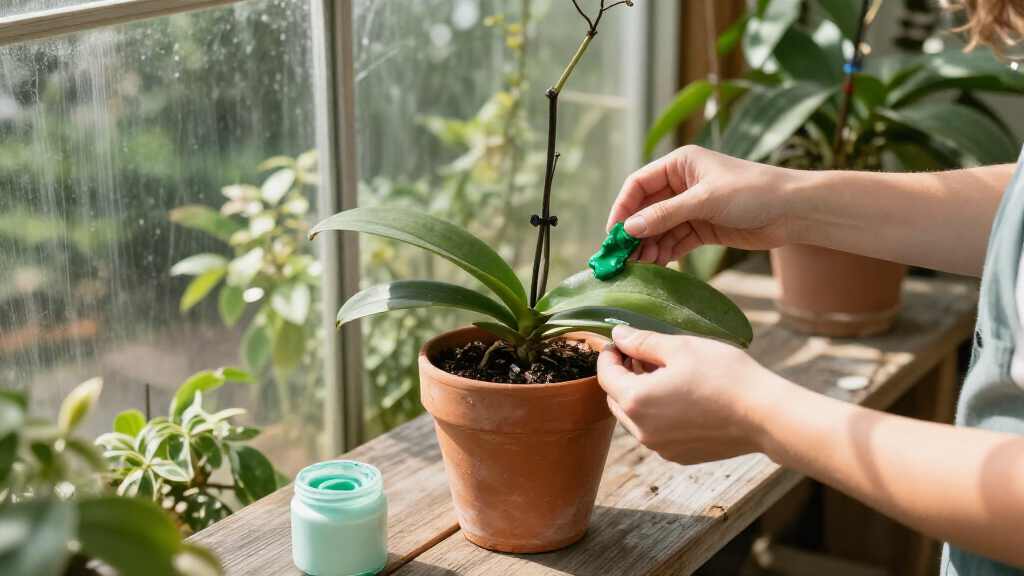
Homes & Gardens has reported on Southside Plants Crazy Keiki Cloning Paste, a product applied to orchid stem nodes to encourage dormant buds, new shoots and, potentially, flowers. The report says it may help healthy orchids with bare stems, while warning that it will not revive plants weakened by problems such as root rot, poor light or unsuitable temperatures.
The paste is described as a blend of natural wax, hormones, compounds, nutrients and vitamins. It is intended to encourage growth from dormant nodes on flowering stems. A keiki—Hawaiian for “child”—is a small plant that can grow on an orchid’s stem and is genetically identical to its parent. The product is presented as a way to prompt growth that may add to an existing plant’s display or provide a new plant to propagate.
According to the report, the application involves exposing a small section of a stem node and applying paste there. It says new buds may form in three to four weeks, with a keiki potentially emerging within eight weeks. These are product-use expectations described in the article, not guaranteed results. The report advises choosing only one or two nodes rather than treating many at once, which could put additional strain on the orchid.
The product page details cited by Homes & Gardens describe an 8-gram vial, applicator sticks and a QR code linking to a user guide. The article also reports that the product had a 4.4-out-of-5 rating from more than 6,700 Amazon reviews at the time of writing. Some reviewers described new growth appearing within weeks, while others said the paste did not work. Those accounts are customer experiences, not controlled evidence of effectiveness.
A Growth Aid, Not a Plant Cure
For orchid owners dealing with bare stems, the paste offers a possible way to encourage growth from existing nodes instead of discarding a plant or waiting for it to produce new shoots on its own. If a keiki develops and grows aerial roots a few inches long, the report says it can be cut away and potted in orchid mix. Alternatively, leaving it attached may allow the parent plant and keiki to grow together.
The distinction between stimulating growth and restoring health matters. The product is not described as a cure for a plant suffering from root damage, watering mistakes, inadequate light or temperature stress. An orchid already struggling may not be able to support new growth. The report’s advice is to address the underlying care issue and allow the plant to recover before applying the paste.
Products Worth Considering

Husqvarna Power Axe 350i 18-Inch Cordless Chainsaw Kit

VEVOR Walk-In Tunnel Greenhouse with Watering System, 15 x 7 x 7 ft

Orbit B-hyve XR 8-Zone Indoor/Outdoor Smart Sprinkler Controller
As an affiliate, we earn on qualifying purchases.
How Keikis Grow on Orchid Stems
Orchids can develop bare, elongated stems as they age, and the source also identifies infrequent repotting as a possible factor. Some orchids naturally produce keikis, while the paste is marketed as a way to encourage dormant buds to develop. A keiki can remain on the parent plant or be separated once it has sufficiently developed roots.
The report distinguishes this product from rooting hormones commonly used on cuttings: its stated purpose is to stimulate dormant growth on plants with above-ground nodes. It says the paste may also be used on certain other houseplants, including pothos, monstera, weeping fig, string of hearts and tradescantia. Its suitability depends on the plant having above-ground nodes; the article does not establish that it works equally well on all such plants.
““It will not bring an orchid back to life if the plant is suffering from underlying health issues caused by watering, temperature, or a lack of light.””
— Homes & Gardens report
Results Vary Across Plants
The source does not provide independent trial data or a success rate for the paste. Its timelines for bud and keiki development are reported product guidance, while the cited reviews are individual customer reports. The article also records mixed feedback, including reports that the paste did not work. It is not clear from the source how results vary by orchid species, growing conditions or the health of the treated plant.
The review count and rating are a snapshot from the time of the original report, which does not give a publication date. The source refers to an 8-gram vial in its product description and later mentions shoppers describing a 7-milliliter bottle; it does not explain the difference. Readers should check current product packaging and instructions rather than assume that listed contents or customer ratings have not changed.
Check Plant Health Before Applying
Anyone considering the paste should first assess whether the orchid is healthy enough to support additional growth. The report recommends resolving care problems before treatment, following the included user guide and limiting application to one or two nodes. If a keiki forms, the next step is to let it develop aerial roots before separating it and placing it in orchid potting mix.
No further testing or company response is included in the source material, and the report does not identify a future research milestone. The practical next development for an individual plant will be whether treated nodes produce growth over the weeks described; results are not assured.
Key Questions
What is orchid keiki paste meant to do?
It is intended to encourage dormant buds on a healthy orchid’s stem to produce new shoots or keikis. A keiki is a small plant that grows on the parent orchid.
How quickly might new growth appear?
The Homes & Gardens report says buds may form in three to four weeks and a keiki may emerge within eight weeks. These are reported time frames, not guaranteed outcomes.
Can the paste save an unhealthy orchid?
No such effect is established in the source. The report says it will not fix underlying problems such as root rot, watering issues, unsuitable temperatures or insufficient light, and advises waiting until the plant has recovered.
Can a keiki be separated from its parent?
The report says a keiki can be cut away once it has aerial roots a few inches long, then planted in a container with specialized orchid potting mix.
Do customer reviews show that the paste always works?
No. The report cites a 4.4-out-of-5 Amazon rating from more than 6,700 reviews at the time it was written, but also notes mixed reviews, including customers who said the paste did not work. Reviews are individual experiences, not controlled tests.
Source: homesandgardens.com