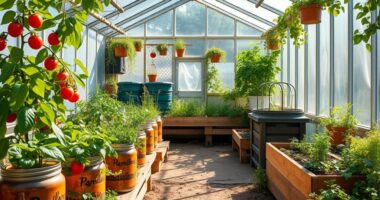
To build a greener greenhouse through better maintenance, focus on installing and regularly cleaning solar panels to boost energy efficiency and reduce reliance on fossil fuels. Monitor pests wisely by using biological controls instead of chemicals, and keep your space clean to prevent pest habitats. Guarantee proper ventilation and seal cracks to improve airflow and deter pests. By practicing these eco-friendly strategies, you’ll foster a sustainable environment—continue exploring how these methods work together to make your greenhouse truly green.

Get garden gear delivered free — and shop member deals
- Fast, free delivery on millions of items
- Access to Prime Big Deal Days deals on October 6–7
- Prime Video, Amazon Music and more included
Key Takeaways
- Install and regularly clean solar panels to maximize renewable energy use for greenhouse operations.
- Monitor and control pests naturally with beneficial insects, reducing chemical reliance.
- Maintain cleanliness by removing debris and dead plant material to prevent pests and diseases.
- Ensure proper ventilation and sealing of entry points to reduce humidity and pest infiltration.
- Implement integrated pest management combining biological, cultural, and minimal chemical methods for sustainability.
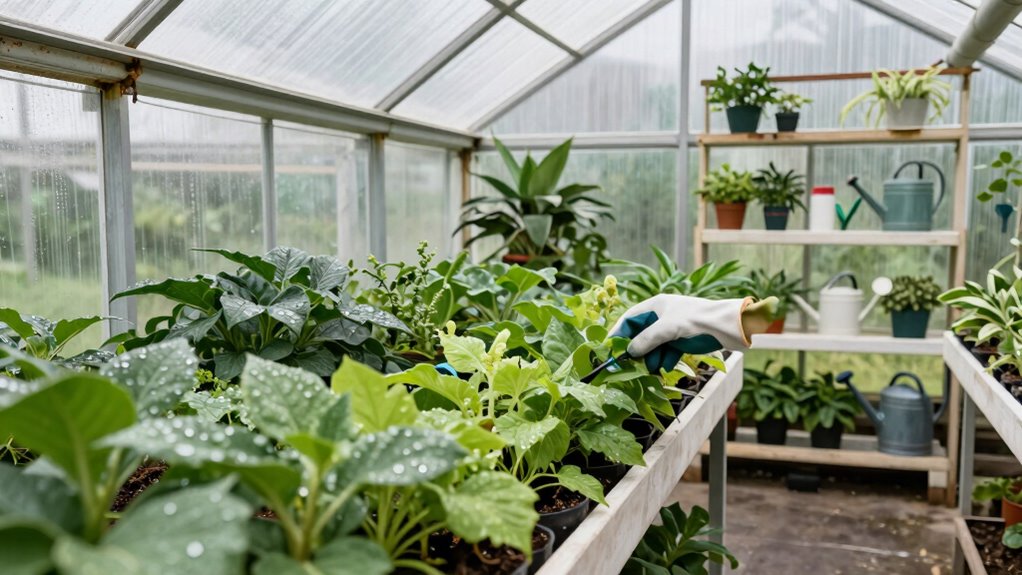
Maintaining a greenhouse properly isn’t just about ensuring healthy plants; it’s also a key step toward making your operation more environmentally friendly. When you focus on efficient maintenance, you reduce waste, lower energy consumption, and implement sustainable practices that benefit both your plants and the planet. One of the most effective ways to achieve this is through solar integration. Installing solar panels on your greenhouse’s roof allows you to harness renewable energy, cutting down on reliance on fossil fuels and decreasing your carbon footprint. Regularly inspecting and cleaning your solar panels ensures they operate at maximum efficiency, so you get the most out of your investment. Incorporating solar energy can also power essential systems like ventilation, lighting, and climate control, which further reduces your greenhouse’s environmental impact.
Beyond energy considerations, pest management plays a critical role in maintaining a greener greenhouse. Healthy, pest-free plants require fewer chemical treatments, which means less chemical runoff and a safer environment for both your crops and surrounding ecosystems. To keep pests in check naturally, you should routinely monitor your plants for early signs of infestation. Introducing beneficial insects, like ladybugs or predatory mites, can help control pest populations without resorting to pesticides. Keeping your greenhouse clean and free of debris reduces habitats where pests might hide and breed, making pest management more effective and less invasive. Proper sanitation involves removing dead leaves, fallen fruit, and weeds, which can harbor pests or diseases. Additionally, implementing integrated pest management (IPM) strategies helps create a balanced ecosystem that minimizes chemical reliance and promotes plant health. Maintaining healthy soil and proper watering practices also contribute to stronger plants that are more resistant to pests and diseases. Regularly updating your pest control methods ensures you stay ahead of emerging threats and maintain an environmentally friendly operation. Incorporating routine inspections can further help identify pest issues early, preventing larger infestations before they become problematic.
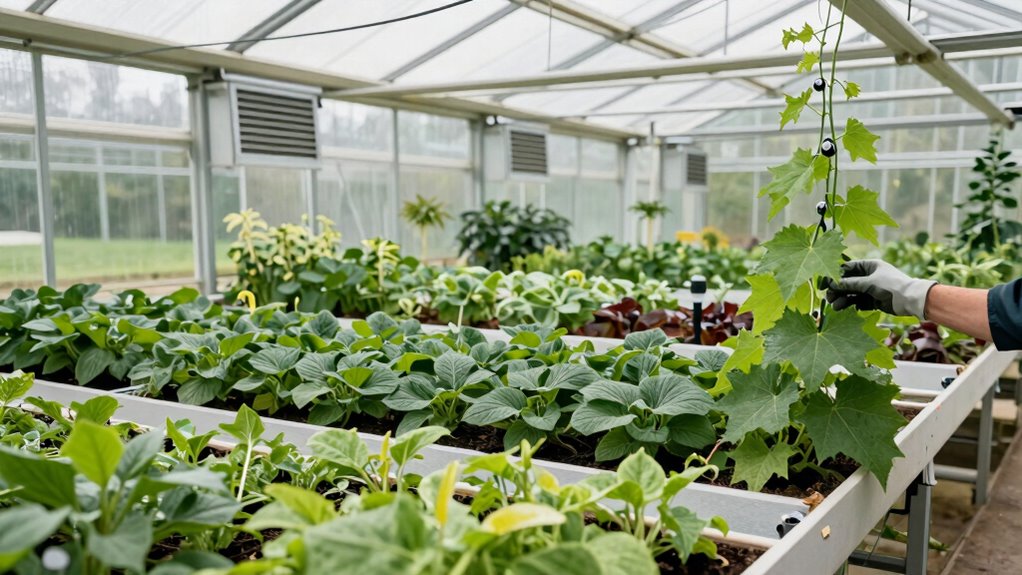
Furthermore, consistent maintenance of your ventilation and filtration systems supports pest prevention by reducing humidity and mold, which often attract pests. Proper airflow not only improves plant health but also discourages pest infestations from taking hold. Additionally, sealing any gaps or cracks in your greenhouse structure prevents pests from entering and establishing colonies. When you use integrated pest management (IPM) strategies, you combine biological controls, cultural practices, and minimal chemical interventions, all of which contribute to a more sustainable operation. This approach not only reduces chemical use but also enhances the overall health of your plants, leading to better yields and quality.
As an affiliate, we earn on qualifying purchases.
Frequently Asked Questions
How Often Should Greenhouse Systems Be Inspected for Optimal Sustainability?
You should inspect your greenhouse systems at least once a month to maintain best sustainability. Regular checks help you identify issues with pest control and ventilation efficiency early. By doing so, you prevent pest infestations and guarantee proper airflow, which promotes healthier plants and reduces energy use. Consistent inspections allow you to catch and address problems promptly, keeping your greenhouse eco-friendly and productive.
What Eco-Friendly Materials Are Best for Greenhouse Repairs?
You choose eco-friendly insulation, sustainable repair materials, and recycled metals to keep your greenhouse green. These materials not only reduce environmental impact but also improve energy efficiency, durability, and air quality. Imagine sealing gaps with natural wool or cork, repairing frames with recycled aluminum, and insulating with biodegradable foam. These options create a healthier, more sustainable environment, ensuring your greenhouse stays eco-conscious while thriving for years to come.
How Can I Reduce Water Usage Through Maintenance Practices?
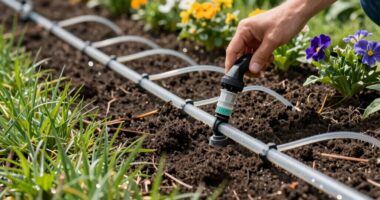
You can reduce water usage by improving irrigation efficiency and adopting water conservation practices. Regularly check and repair leaks to prevent wastage, and use drip irrigation systems that deliver water directly to plant roots, minimizing evaporation. Mulching helps retain soil moisture, reducing the need for frequent watering. Scheduling watering times early in the morning or late in the evening also promotes water conservation, ensuring your greenhouse stays sustainable and eco-friendly.
Are There Specific Cleaning Products That Support a Greener Greenhouse?
Think of your greenhouse as a delicate ecosystem; choosing eco-friendly cleaning products is like giving it gentle, nourishing care. You can opt for natural solutions like vinegar, baking soda, or plant-based cleaners that support sustainable pest control. These products not only reduce harmful chemicals but also keep your plants healthy, much like a gardener tending to each plant’s unique needs. Using these supports your goal of a greener, more sustainable greenhouse.
How Can I Track the Environmental Impact of My Maintenance Routines?
You can track your maintenance routine’s environmental impact by monitoring your energy use and waste management efforts. Incorporate renewable energy sources like solar panels to reduce reliance on fossil fuels. Keep records of waste disposal practices, recycling, and composting. Use these data points to evaluate your greenhouse’s sustainability progress, identify areas for improvement, and set measurable goals, ensuring your routines support a greener, more eco-friendly environment.
Conclusion
By tending to your greenhouse with care, you transform it into a lush sanctuary of life, where sunlight filters softly through healthy leaves and the air hums with energy. Regular maintenance keeps your plants thriving, the structure sturdy, and resources balanced. Picture your greenhouse as a vibrant oasis, alive with growth and sustainability. With each mindful act, you nurture a greener future—one leaf, one breath, one day at a time—making your greenhouse a true haven for nature’s beauty.
Fall Picks
fall essentials
As an affiliate, we earn on qualifying purchases.