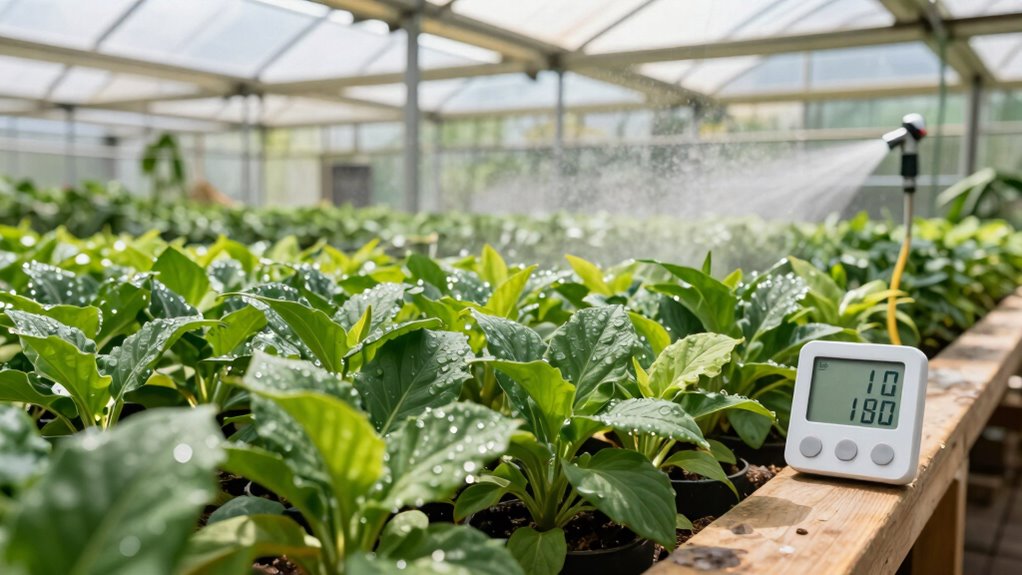

To prepare your greenhouse for summer, prioritize upgrading ventilation and implementing shading solutions. Install exhaust fans, roof vents, or adjustable side panels to boost airflow, and add shade cloths or reflective paints to reduce heat gain. Start these improvements early to keep temperatures stable and protect your plants from stress. Taking these steps now helps guarantee a resilient, healthy environment all summer long—keep going to discover more expert tips for summer readiness.

Get garden gear delivered free with Prime
- Fast, free delivery on millions of items
- Prime Video, Amazon Music and more included
- Member-only deals all year
Key Takeaways
- Install and test active ventilation systems like exhaust fans and roof vents early.
- Add adjustable shading solutions such as shade cloths or sails to prevent overheating.
- Plan and implement modifications well before peak summer temperatures arrive.
- Use reflective materials to reduce heat gain without compromising light for plants.
- Monitor internal temperatures regularly to ensure climate controls are effective and responsive.
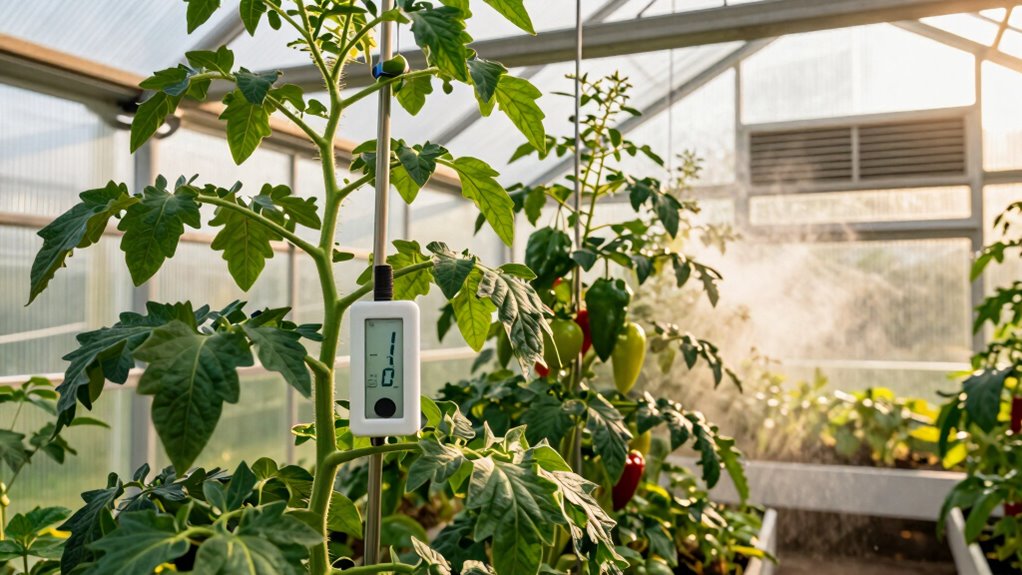
As summer approaches and temperatures begin to rise, it’s essential to prepare your greenhouse to withstand the heat. The last thing you want is for your plants to suffer from heat stress or for your efforts to go to waste because your greenhouse isn’t equipped to handle the rising temperatures. The first step is to focus on ventilation improvements. Proper airflow keeps the internal environment cooler and more stable. If your greenhouse doesn’t already have active ventilation systems like exhaust fans or roof vents, now’s the time to install them. These systems work together to draw out hot air and bring in cooler, fresh air, preventing heat from building up to damaging levels. Even simple upgrades, such as adding louvered vents or adjustable side panels, can notably improve air circulation. You should also consider installing oscillating fans inside the greenhouse to promote consistent airflow around your plants, reducing hotspots and humidity pockets that can lead to disease.
Alongside ventilation, shading solutions play an indispensable role in maintaining a manageable temperature. As the sun intensifies, direct sunlight can cause temperatures to spike rapidly. Implementing shading options like shade cloths, shade sails, or even reflective paints on the greenhouse exterior can help you control the amount of heat entering the space. Shade cloths are especially effective because they can be easily adjusted or removed depending on the weather conditions and plant needs. Positioning these covers strategically over windows and skylights can prevent overheating during the hottest parts of the day. Reflective materials on the outside of the greenhouse can also deflect sunlight before it penetrates, reducing heat gain without blocking essential light for photosynthesis. Additionally, understanding greenhouse climate control is crucial to effectively managing temperature fluctuations and ensuring optimal plant growth during the summer months. Implementing biodiversity-friendly shading options can also promote a healthier ecosystem within your greenhouse by encouraging beneficial insects and natural pest control.
Prioritizing these two areas—ventilation improvements and shading solutions—sets the foundation for a cooler, more resilient greenhouse. As temperatures climb, your plants will thank you for the proactive measures. You’ll find it easier to maintain a consistent internal climate, reducing the risk of plant stress and disease. Remember, the key is to start early and implement these modifications well before the peak heat hits. Don’t wait until the heat becomes unbearable. Instead, plan your ventilation upgrades and shading strategies now so your greenhouse can thrive throughout the summer. Proper preparation ensures your plants stay healthy, your energy costs stay manageable, and your gardening efforts remain productive no matter how high the mercury rises outside.
As an affiliate, we earn on qualifying purchases.
Frequently Asked Questions
How Can I Tell if My Greenhouse Is Overheating?
You can tell if your greenhouse is overheating by monitoring soil moisture levels, which tend to decrease as temperatures rise. Check for signs like wilting plants or leaves curling, and guarantee proper ventilation techniques are in place, such as opening vents or using fans. If the environment feels excessively hot and the soil is drying out quickly, it’s a clear sign you need to improve ventilation to prevent heat stress.
What Are the Best Cooling Methods for a Greenhouse?
You can cool your greenhouse effectively with proper ventilation strategies and cooling systems. Opening vents and installing exhaust fans help circulate fresh air and reduce heat buildup. Shade cloths and misting systems also lower temperatures and humidity levels. Don’t worry—these methods are easy to implement, and combining them guarantees your plants stay healthy during hot summer days. Proper cooling keeps your greenhouse comfortable and your plants thriving all season long.
How Often Should I Check for Heat Stress Signs?
You should check for heat stress signs daily, especially during peak summer hours. Look for wilting, sunken leaves, or discoloration, which indicate plant hydration issues. Use effective ventilation techniques like opening vents or using fans to regulate temperature and humidity. Regular inspections help catch problems early, ensuring your plants stay healthy. By staying vigilant, you protect your greenhouse from heat stress and support ideal growth during hot weather.
Can Shading Materials Affect Plant Growth?
Yes, shading materials like shade cloths and reflective paint can substantially influence plant growth. They help control temperature and reduce stress during hot days, ensuring your plants don’t overheat. But be cautious—too much shade might limit light essential for photosynthesis. You’ll need to find the right balance, using shading to protect your plants while still providing enough light for healthy growth.
What Emergency Steps Should I Take During a Heatwave?
During a heatwave, you should activate your emergency kit and follow your evacuation plan promptly. First, make certain your plants are shaded and cooled using fans or water misters. Keep yourself safe by staying hydrated and seeking shelter if conditions become severe. Regularly monitor weather updates, and if needed, evacuate your greenhouse to a cooler location. Preparedness helps protect both your plants and your safety during extreme heat events.
Conclusion
As summer’s sun begins to scorch, think of your greenhouse as a delicate symphony waiting to play its finest tune. Prioritize shading, ventilation, and monitoring to keep the melody sweet and steady. With your careful touch, you’ll prevent the heat from becoming a runaway train, instead guiding your plants safely through the fiery season. When you nurture your greenhouse with vigilance and love, you’ll harvest not just blooms, but a garden’s song that echoes resilience and hope.
Halloween Picks
halloween
As an affiliate, we earn on qualifying purchases.