Before buying an irrigation system, focus on targeting water precisely where your plants need it, like with drip irrigation at plant bases. Incorporate soil moisture sensors to get real-time data, helping you avoid overwatering or underwatering. Look for smart systems that adjust automatically based on weather and soil conditions. Prioritizing these features guarantees efficient water use and healthier plants. To discover more tips for maximizing irrigation efficiency, keep exploring how technology can work for your garden.

Get garden gear delivered free with Prime
- Fast, free delivery on millions of items
- Prime Video, Amazon Music and more included
- Member-only deals all year
Key Takeaways
- Prioritize targeted watering methods like drip irrigation to minimize waste and promote healthy plant growth.
- Use soil moisture sensors to ensure watering is based on actual soil conditions, not timers alone.
- Consider system compatibility and automatic adjustments for weather changes to optimize efficiency.
- Choose easy-to-install and maintain systems to ensure long-term water savings and system performance.
- Focus on real soil conditions and data-driven decisions to maximize water conservation and plant health.
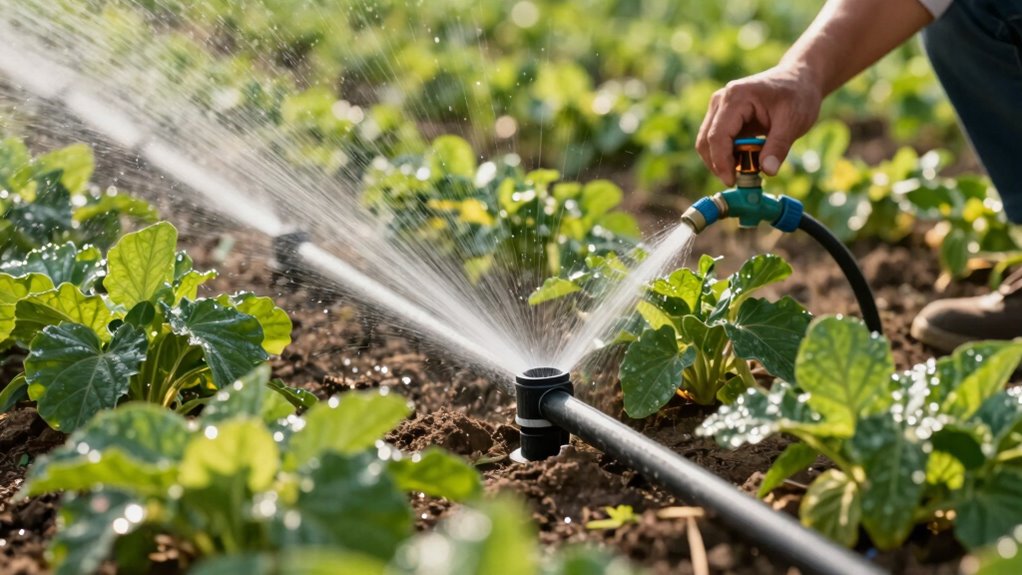
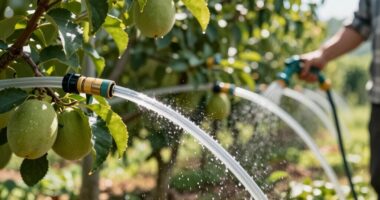
Efficient irrigation is essential for conserving water and ensuring healthy plant growth. When you’re contemplating new irrigation systems, it’s important to focus on how effectively they deliver water to your plants without waste. Think about how technologies like drip irrigation can help you target water precisely where it’s needed, minimizing runoff and evaporation. Drip systems deliver water directly to the base of plants through a network of tubes and emitters, reducing water use compared to traditional sprinklers that spray large areas indiscriminately. This targeted approach not only conserves water but also promotes healthier roots and better plant development.
Target water precisely with drip irrigation to conserve resources and promote healthier plant growth.
Another key component to evaluate is soil moisture sensors. These devices provide real-time data on the moisture levels in your soil, allowing you to adjust your irrigation schedule accordingly. Instead of running your system on a fixed timer or based on guesswork, soil moisture sensors give you the insight needed to water only when necessary. This prevents overwatering, which can lead to root rot and nutrient leaching, as well as underwatering, which stresses plants and hampers growth. Integrating soil moisture sensors into your irrigation setup helps you develop a smarter, more responsive watering plan that saves water and improves plant health.
When you’re assessing your options, ask yourself about the compatibility of these technologies with your landscape. Drip irrigation combined with soil moisture sensors creates a highly efficient system that adapts to changing weather conditions and soil needs. For example, during rainy periods, the moisture sensors can signal your system to pause watering, preventing unnecessary water use. Conversely, during dry spells, they can trigger additional watering to keep soil moisture at ideal levels. This dynamic adjustment ensures you’re not wasting water or energy, making your irrigation system both eco-friendly and cost-effective. Additionally, choosing systems with smart technology integration can further optimize water use through automation.
You should also evaluate the ease of installation and maintenance. Drip irrigation systems are generally straightforward to set up and maintain, especially if you plan for proper placement of soil moisture sensors. Regular checks ensure that emitters don’t clog and sensors stay calibrated, maintaining the system’s efficiency over time. Properly designed systems can also incorporate easy-to-use controls, making adjustments simple for homeowners of all experience levels. Considering the availability of support and troubleshooting resources can help ensure your system remains efficient and functional in the long run. The initial investment in quality components can pay off through long-term water savings and healthier plants.
Ultimately, the best way to think about irrigation efficiency before you buy is to focus on systems that deliver targeted watering based on real soil conditions. Combining drip irrigation with soil moisture sensors offers a tailored approach that maximizes water conservation while promoting robust plant growth. It’s a smart, proactive strategy that aligns with sustainable gardening practices and helps you make the most of every drop of water. Additionally, understanding irrigation efficiency can guide you in selecting the most effective system for your landscape and water-saving goals.
drip irrigation system for garden
As an affiliate, we earn on qualifying purchases.
As an affiliate, we earn on qualifying purchases.
Frequently Asked Questions
How Does Soil Type Affect Irrigation Efficiency?
Soil type greatly impacts irrigation efficiency because of its soil composition and water retention abilities. Sandy soils drain quickly, reducing water retention and making it harder to keep plants adequately moist, which lowers efficiency. Conversely, clay soils hold water longer, risking overwatering. Understanding your soil’s composition helps you adjust your irrigation system, ensuring you deliver just the right amount of water and avoid waste.
What Are the Environmental Impacts of Inefficient Irrigation?
Inefficient irrigation wastes about 45% of water, harming ecosystems and reducing water availability. You might unknowingly contribute to groundwater depletion and habitat loss, disrupting ecological balance. This waste also leads to increased runoff, carrying pesticides and fertilizers into rivers, polluting water sources. Your efforts in water conservation can minimize these impacts, helping preserve biodiversity and guarantee sustainable resource use for future generations.
How Often Should Irrigation Systems Be Maintained?
You should maintain your irrigation system at least once a year, and more often if you notice issues. Regular maintenance helps guarantee water conservation and scheduling optimization, preventing leaks and clogs that waste water. Check for broken sprinklers, clean filters, and adjust spray patterns. Proper upkeep guarantees your system operates efficiently, saving water and reducing environmental impacts. Consistent maintenance keeps your landscaping healthy and promotes long-term water efficiency.
Can Drought-Resistant Plants Improve Overall Efficiency?
Think of drought-resistant plants as the backbone of your water-saving strategy. By choosing the right plant selection, you can greatly enhance overall efficiency and reduce water consumption. These hardy plants thrive with less water, acting like efficient little reservoirs that conserve moisture naturally. Incorporating them into your landscape ensures water conservation becomes second nature, helping you maintain a lush environment without draining your resources.
What Technology Options Are Available for Monitoring Irrigation?
You can monitor your irrigation effectively with smart sensors and automated timers. Smart sensors detect soil moisture levels, providing real-time data to optimize watering schedules. Automated timers, on the other hand, allow you to set precise watering times, reducing waste. Combining these technologies gives you a smart, efficient system that adapts to your garden’s needs, saving water and ensuring your plants stay healthy without unnecessary runoff or overwatering.
Conclusion
Now that you know the key to irrigation efficiency, you’re armed with a superpower that can turn your garden from a parched wasteland into a lush paradise. Remember, making smart choices before you buy isn’t just wise—it’s the difference between watering a desert and growing an oasis. Don’t settle for less; aim for the gold standard in efficiency. With these tips, you’ll make every drop count and become the irrigation hero your garden deserves!
Fall yard work Picks
leaf blowers
As an affiliate, we earn on qualifying purchases.