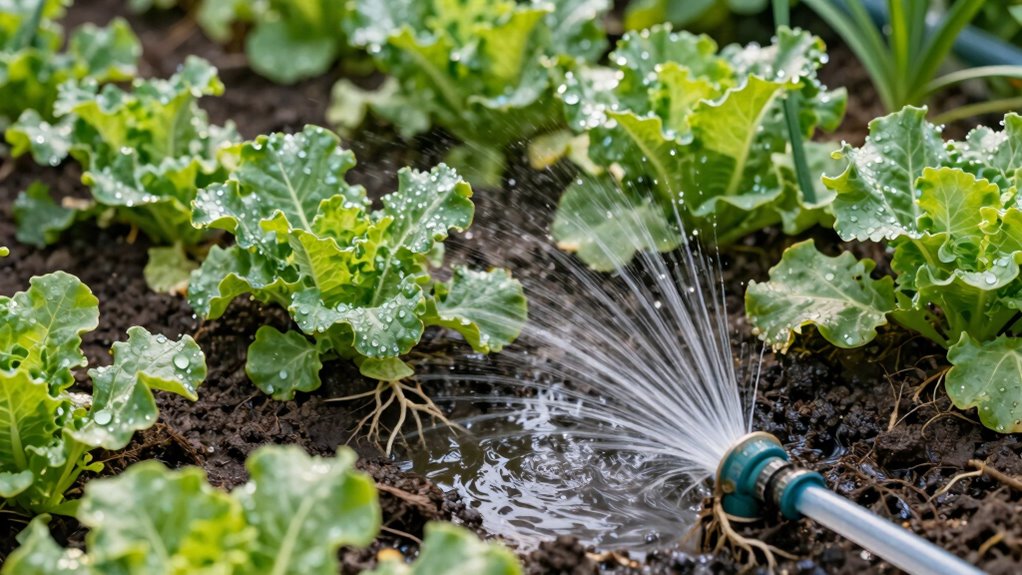

To prevent roots from suffocating, you should flood your ebb-and-flow system long enough to keep roots moist but not waterlogged—typically 15 to 30 minutes. The exact duration depends on your plant type, growth stage, medium, and environmental conditions. Monitoring moisture levels, root health, and water pH helps fine-tune your schedule. Balancing flood times ensures healthy roots and ideal growth; keep exploring for more tips on customizing your cycle.
Key Takeaways
- Balance flood duration to provide sufficient moisture without causing waterlogging and root oxygen deprivation.
- Monitor plant response and root health regularly to adjust flooding times appropriately.
- Consider plant growth stage and environmental conditions to determine optimal flooding intervals.
- Use soil moisture and pH measurements to fine-tune flood durations and prevent suffocation.
- Ensure the growing medium drains well to maintain oxygen levels while providing adequate water.
Why Flood Duration Matters in Your Ebb-and-Flow Hydroponic System
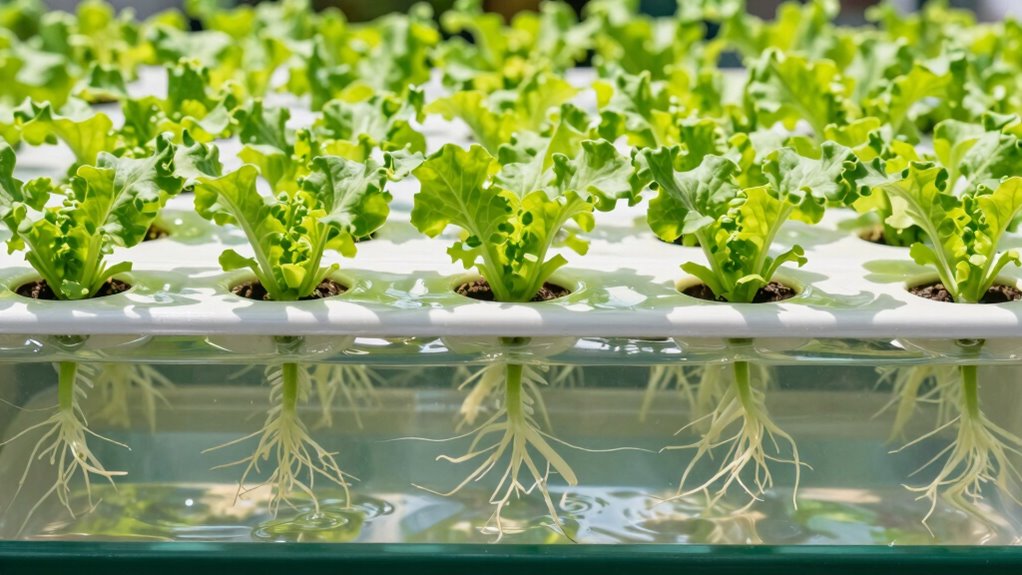
Why does flood duration matter in your ebb-and-flow hydroponic system? It directly affects root oxygen levels and water aeration, which are crucial for healthy plant growth. If flooding lasts too long, roots can become waterlogged, limiting their access to oxygen and causing suffocation. This can lead to root rot and stunted growth. Conversely, if flooding is too brief, roots may not receive enough water and nutrients, hampering development. Proper flood duration ensures a balance between water and air in the root zone. Maintaining this balance promotes ideal root oxygen, supporting water aeration and preventing oxygen deprivation. By controlling flood times, you create an environment where roots can breathe while still absorbing necessary nutrients efficiently.
How to Calculate the Perfect Flooding Time for Your Plants

To determine the ideal flooding time for your plants, start by understanding their specific water and oxygen needs. Proper timing ensures efficient nutrient delivery and maintains suitable pH balance in your system. Begin by observing how quickly your plants absorb water during a flood cycle; this varies depending on plant type and growth stage. Use this observation to set a flooding duration that keeps roots moist without waterlogging them. Regularly monitor the pH balance of your nutrient solution, adjusting flooding times if necessary to prevent fluctuations that could hinder nutrient uptake. A good rule of thumb is to flood just enough to keep roots moist while allowing runoff to drain, ensuring oxygen reaches the roots and preventing suffocation. Additionally, considering the contrast ratio of your system can help you gauge how well your setup handles varying light conditions, indirectly influencing plant health. Fine-tune your flooding schedule based on your plant’s response for the best results.
Factors That Affect Flooding Duration: Medium, Plant Stage, and Environment

The type of growing medium and water volume you choose directly influence how long flooding should last. Your plants’ stage of growth and specific needs also determine ideal flooding times. Understanding these factors helps you tailor your ebb-and-flow system for healthy, thriving plants. Additionally, considering water management techniques can optimize the flooding process for better plant health.
Medium and Water Volume
How you manage the medium and water volume can considerably influence flooding duration in your system. Using too much water can lead to oxygen deprivation for roots, hindering nutrient absorption and risking root rot. Conversely, insufficient water may prevent roots from accessing essential nutrients, stunting growth. Choosing a well-draining medium helps maintain proper moisture levels and promotes oxygen flow. Adjust the water volume so the roots stay moist but not waterlogged. Keep in mind that different plants have different needs, so tailoring your approach ensures healthy development. Monitoring water levels regularly allows you to prevent over- or under-flooding. Striking a balance between water volume and medium type supports ideal nutrient uptake while minimizing risks like oxygen deprivation and root damage. Proper watering techniques are essential for sustaining healthy root systems and overall plant vitality.
Growth Stage and Needs
As plants progress through different growth stages, their flooding needs change markedly. During early stages, roots require frequent flooding to optimize nutrient uptake without causing plant stress. As plants mature, their roots become more resilient, allowing for longer intervals between floods. In the vegetative stage, consistent moisture supports vigorous growth, but over-flooding can lead to oxygen deprivation and root rot. During flowering, you should adjust flooding duration to prevent suffocation while ensuring nutrient delivery. Environmental factors, like temperature and humidity, also influence how long roots can safely stay submerged. Understanding these needs helps you balance flooding to promote healthy growth, minimize plant stress, and optimize nutrient uptake at each stage. Proper timing guarantees your plants stay strong and productive. Additionally, incorporating precise timing strategies can help prevent root damage caused by improper flooding intervals.
Step-by-Step: Setting Up Your Flooding Schedule

Start by deciding how often you should flood your system based on your plants’ needs. Keep a close eye on your roots to spot signs of over- or under-watering. Adjust your schedule as necessary to make certain of healthy, vigorous growth. Remember that developing a relationship with your inner guidance can help you tune into your plants’ subtle signals and create a more intuitive watering rhythm.
Determine Flooding Frequency
To determine the appropriate flooding frequency for your system, you need to analyze your specific goals and environmental conditions. Consistent flooding prevents roots from suffocating while maintaining ideal nutrient levels. Consider these factors:
- The pH balance of your nutrient solution, which affects nutrient uptake and root health.
- The type of plants you’re growing, as some require more frequent flooding than others.
- Ambient temperature and humidity, influencing evaporation rates and oxygen availability.
- The art care principles, which emphasize the importance of supporting healthy growth conditions for your plants.
Adjust your flooding schedule based on these variables, ensuring roots stay oxygenated without becoming waterlogged. Regularly evaluate your system’s performance, and fine-tune the frequency to sustain perfect nutrient levels and pH balance. Proper timing supports healthy root development and prevents issues like root rot or nutrient deficiencies.
Monitor Root Health
Monitoring root health is essential to guarantee your flooding schedule promotes vigorous growth and prevents problems like root rot. Regularly check the pH balance of your nutrient solution, aiming for a range that supports ideal nutrient uptake—usually around 5.5 to 6.5. Keep an eye on nutrient levels, ensuring they stay within appropriate limits to avoid deficiencies or toxicities. Healthy roots are firm, white, and free from slimy or dark patches. If roots appear discolored or slimy, it’s a sign to adjust your pH or nutrient concentration. Additionally, understanding the horsepower of electric dirt bikes can help you appreciate the energy dynamics involved in your system. Consistent monitoring helps you catch issues early, allowing you to fine-tune your flooding intervals and maintain a thriving, balanced root environment. This proactive approach ensures your plants stay healthy and vigorous.
Common Mistakes When Timing Flood Cycles: And How to Avoid Them
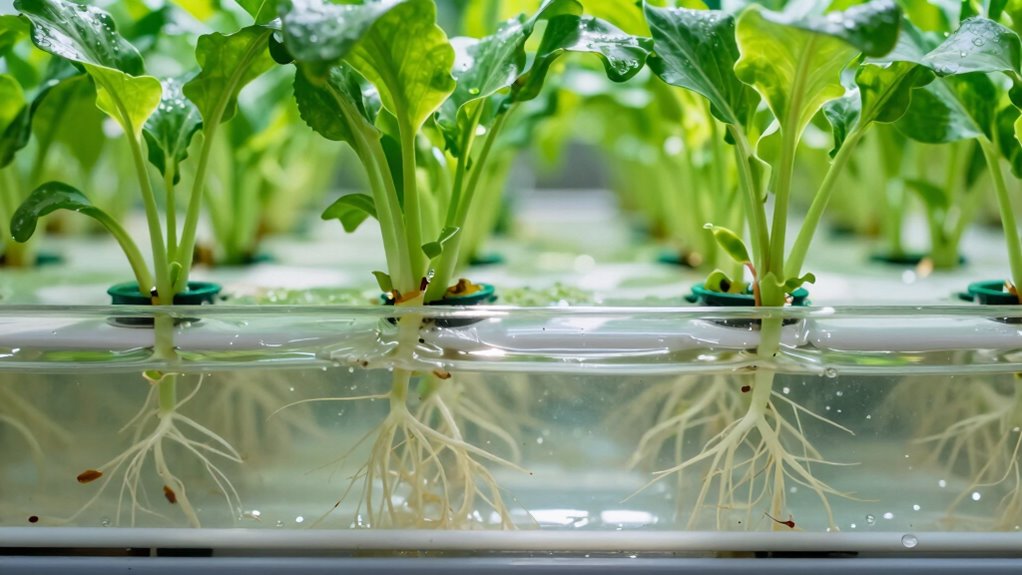
Timing flood cycles can be tricky, and many people make common mistakes that can disrupt their irrigation plans or cause crop damage. One major error is flooding too often or for too long, leading to overwatering issues and root suffocation. This prevents roots from accessing oxygen, weakening plants and increasing disease risk. Conversely, flooding too infrequently can deprive roots of necessary moisture, stunting growth. To avoid these pitfalls, focus on:
- Monitoring soil moisture levels regularly
- Adjusting flood durations based on weather conditions
- Ensuring proper drainage to prevent waterlogging
European cloud innovation can provide tools for precise irrigation management, helping farmers optimize flood timing and prevent root damage.
Monitoring and Adjusting Flood Times for Healthy Roots

Keeping a close eye on soil moisture levels helps you fine-tune flood times to support healthy root development. Regularly check moisture, pH balance, and nutrient concentration to prevent over- or under-watering. Adjust flood durations based on these readings, ensuring roots receive enough oxygen without drowning. Use tools like soil moisture meters for accuracy and observe plant responses to guide your adjustments. Maintaining ideal pH and nutrient levels encourages strong, resilient roots. Additionally, understanding the concept of free floating roots can help you manage water levels more effectively.
Frequently Asked Questions
Can Changing Flood Duration Impact Nutrient Absorption Efficiency?
Yes, changing flood duration can impact nutrient uptake and root health. If you flood too long, roots may suffocate from lack of oxygen, reducing nutrient absorption. Conversely, shorter flooding allows roots to breathe, improving nutrient uptake and overall plant health. Adjusting flood times effectively balances oxygen availability and nutrient delivery, promoting vigorous root growth and efficient nutrient absorption, ultimately enhancing your plants’ overall vitality and productivity.
How Does Flood Timing Influence Oxygen Availability to Roots?
Your roots depend on oxygen like a fish relies on water. Flood timing directly impacts gas exchange and root respiration; if you flood too long, roots suffocate from lack of oxygen, risking root rot. Short floods enhance oxygen availability, promoting healthy growth. By balancing flood intervals, you guarantee roots get enough air while maintaining moisture, preventing suffocation and encouraging vigorous plant development.
Is There an Ideal Flood Duration for Different Plant Species?
Yes, there’s an ideal flood duration for different plant species, based on their botanical adaptations. You should tailor flood times to each species’ specific needs, considering their natural habitats and oxygen requirements. For example, species with high oxygen tolerance may tolerate longer flooding, while others need shorter periods to prevent root suffocation. Adjusting flood durations helps guarantee healthy growth and prevents stress from overwatering or oxygen deprivation.
How Often Should I Reassess My Flooding Schedule?
You should reassess your flooding schedule weekly or whenever you notice signs of stress in your plants. Adjust your watering frequency based on root health, ensuring roots aren’t waterlogged or too dry. Keep an eye on plant response, soil moisture levels, and growth patterns. Regularly checking helps prevent root suffocation and promotes healthy development, especially as seasons change or plant needs evolve.
What Signs Indicate My Flood Cycle Needs Adjustment?
You should modify your flood cycle if your plants show signs of water retention, like soggy soil or yellowing leaves, which can harm root health. If roots appear moldy or start to decay, it’s a clear indicator you need to reduce flooding duration or increase drainage. Regularly monitor soil moisture and root condition; staying attentive ensures your plants stay healthy and avoid root suffocation.
Conclusion
Getting your flood timing right means balancing life and death beneath the surface. Too long, and roots drown; too short, and they struggle to thrive. By understanding and fine-tuning your ebb-and-flow schedule, you create a thriving environment where roots breathe easy and grow strong. Remember, precision isn’t just about avoiding mistakes; it’s about revealing your plants’ full potential—turning a simple cycle into a powerful foundation for healthy, abundant growth.