
TL;DR
Kumquat trees can grow in the ground or in containers when they have full sun, well-draining soil and suitable watering. The fruit’s edible peel and tart flesh work in both fresh dishes and preserves; USDA figures list 6.5 grams of fiber and 43.9 milligrams of vitamin C per 100 grams of raw kumquats.
A November 27, 2026 gardening report describes how to grow kumquat trees in the ground or in containers, and summarizes the fruit’s edible peel, kitchen uses and nutrition. The guidance gives home gardeners practical criteria for choosing a site and caring for a tree, while noting that fruiting and harvest timing vary with growing conditions.

Get garden gear delivered free with Prime
- Fast, free delivery on millions of items
- Prime Video, Amazon Music and more included
- Member-only deals all year
Kumquats are citrus fruits commonly classified as Citrus japonica; older references use the genus Fortunella. See our guide to kumquat tree varieties for more on choosing a tree. Unlike many citrus fruits, kumquats are commonly eaten whole: the peel is edible and sweet, while the flesh is more tart. Nagami fruit is usually oval and notably tart, while rounder Meiwa kumquats tend to have a thicker, sweeter rind.
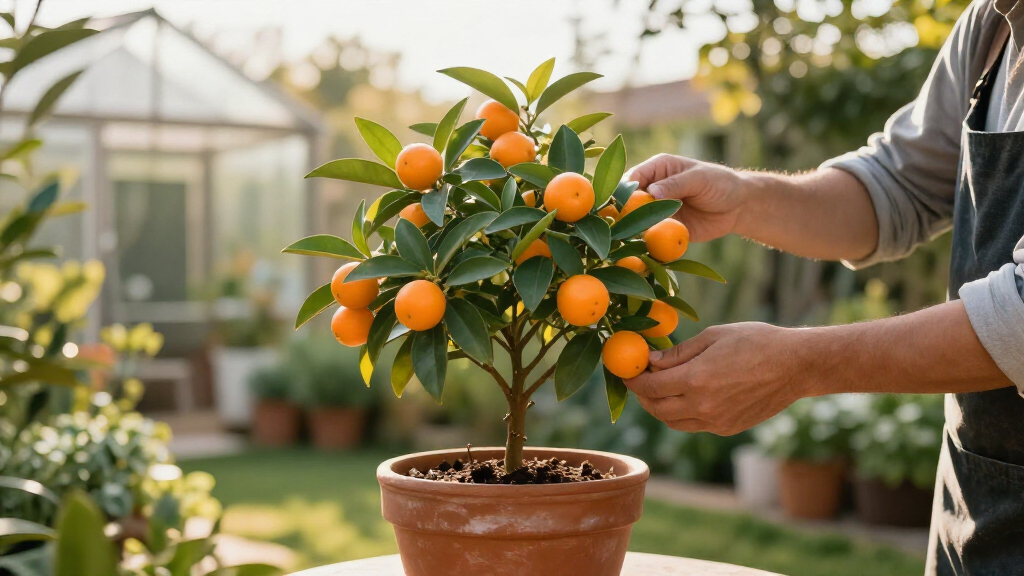
For planting, the report recommends full sun and well-draining soil, conditions also covered in our guide to caring for citrus trees in containers. Container-grown trees need a suitable potting mix and a container with clear drainage holes, especially when growing fruit trees in smaller spaces. Water thoroughly, then wait until the upper layer of the mix begins to dry before watering again. Pots should not sit in saucers holding water, and container trees should be moved to shelter before a damaging freeze.
Care advice includes feeding according to the product label, checking leaves and stems regularly for pests, and removing dead branches or shoots below the graft. The report advises against heavy pruning. It says kumquat season in the United States often falls in cooler months, but timing varies. Bright orange color can signal ripeness; tasting a fruit before harvesting is another way to check.
Grow kumquats at home and enjoy the whole fruit
Kumquats can grow in gardens or containers with full sun, well-draining soil and attentive watering. Their edible sweet peel balances tart flesh.
Choose a growing setup
Match the site or container to the tree’s light, drainage and cold-protection needs.
- Choose a full-sun spot with well-draining soil.
- Use local climate and seasonal conditions to guide planting.
- Use potting mix and a pot with drainage holes.
- Move the tree to shelter before a damaging freeze.
Care through the season
Water thoroughly, then wait for the upper mix to begin drying.
Follow fertilizer label directions and inspect leaves and stems for pests.
Remove dead branches or shoots below the graft; avoid heavy pruning.
Pick a fruit style
Kumquats are commonly eaten whole after washing; the rind is sweet and the flesh tart.
Nagami
Usually oval, with notably tart fruit.
Meiwa
Rounder fruit with a thicker, sweeter rind.
Fresh or preserved
Add kumquats to salads, baked dishes, chutney or marmalade.
Watch for fruiting and harvest
Growing Fruit in a Home Garden
Kumquats combine an ornamental evergreen tree with a harvest that can be used in snacks, preserves and cooked dishes. Their suitability for containers gives gardeners another option where planting space is limited, provided they can meet the tree’s light, drainage and cold-protection needs.
The nutrition figures offer a measurable description of the fruit, not evidence that it treats or prevents disease. USDA data cited in the report list about 71 calories, 6.5 grams of fiber and 43.9 milligrams of vitamin C per 100 grams of raw kumquats. The report says nutrition varies with serving size and cautions that the fruit is not a proven weight-loss solution; it also says evidence is insufficient to show that eating kumquats specifically lowers heart-disease risk.
Products Worth Considering

Orbit B-hyve 12-Zone Smart Indoor/Outdoor Sprinkler Controller

Weber Original Kettle Charcoal Grill, 22-Inch, Black

Husqvarna Power Axe 350i 18-Inch Cordless Chainsaw Kit
As an affiliate, we earn on qualifying purchases.
Edible Peel and Two Common Varieties
The difference between the fruit’s rind and flesh shapes how kumquats taste: the sweet rind balances tart flesh, and the whole fruit can be eaten after washing. Nagami and Meiwa are two varieties highlighted in the report, with Nagami generally more acidic and Meiwa usually sweeter. Taste can vary, so sampling fruit at a grocery store or farmers market may help gardeners decide which variety they prefer before planting.
Fresh kumquats can be added to salads, baked dishes, chutney or marmalade. A grafted tree may begin bearing fruit within one to two years under favorable conditions, according to the report; seed-grown trees generally take longer. Actual timing depends on variety, climate and care. The report also says kumquat trees are self-pollinating, so one tree can produce fruit without another kumquat nearby.
Fruit Timing Depends on Conditions
The guidance does not give a single harvest date or a guaranteed time to fruit. Season varies by location, while a tree’s productivity depends on variety, climate and care. The one-to-two-year estimate applies to grafted trees under favorable conditions, not every tree; seed-grown specimens generally take longer.
The nutrition numbers are for a 100-gram portion of raw fruit, and the report does not provide figures for every serving size or preparation method. It also does not establish specific disease-prevention effects from eating kumquats. Gardeners should identify a pest problem before selecting a treatment rather than assuming one remedy fits all cases.
Check Local Growing Conditions
Before buying a tree, gardeners can compare the fruit varieties and consider whether their site offers full sun, drainage and protection from damaging freezes. For a container, check that the pot has drainage holes and that the tree can be moved to shelter when cold weather threatens. The report offers no single planting calendar, so local climate and seasonal conditions should guide timing.
After planting, monitor moisture, inspect leaves and stems, and follow fertilizer product directions. As fruit develops, use its color as a ripeness clue and taste one before harvesting. The next practical milestone is whether the tree establishes and produces fruit under the conditions available in the garden.
Source: rss
Key Questions
Can kumquat trees grow in pots?
Yes. Use a well-draining container mix and a pot with drainage holes. Give the tree full sun, water thoroughly while letting the upper mix begin drying between waterings, and shelter it before damaging freezes.
Can you eat kumquat skin?
Yes. The peel is edible and is generally sweeter than the tart flesh. Wash the fruit under running water before eating it whole or slicing it.
How long does a kumquat tree take to bear fruit?
A grafted tree may fruit within one to two years under favorable conditions, according to the report. Seed-grown trees generally take longer, and timing varies with variety, climate and care.
How much fiber and vitamin C do kumquats contain?
The USDA figures cited in the report list about 6.5 grams of fiber and 43.9 milligrams of vitamin C per 100 grams of raw kumquats. Nutrient amounts depend on serving size.
Source: groworganic.com