To grow different plant types under one roof successfully, you should group plants with similar needs for light, water, and nutrients to prevent conflicts. Use vertical gardens, container setups, and hydroponic systems to maximize space and control conditions. Adjust lighting, humidity, and temperature to suit each plant’s preferences, and monitor their health regularly. By understanding plant compatibility and making informed adjustments, you’ll create a thriving, diverse indoor garden—more tips await to help you master this art.

Get garden gear delivered free — and shop member deals
- Fast, free delivery on millions of items
- Access to Prime Big Deal Days deals on October 6–7
- Prime Video, Amazon Music and more included
Key Takeaways
- Group plants with similar light, water, and nutrient needs to optimize growth conditions and reduce care conflicts.
- Use vertical and container setups to maximize limited space and create a diverse, efficient garden layout.
- Implement environmental controls like adjustable lighting and humidity to cater to varying plant requirements.
- Utilize hydroponic systems for precise nutrient delivery and flexibility in growing different plant types indoors.
- Regularly monitor plant health, adjust care routines, and rotate crops to maintain a balanced, thriving indoor ecosystem.
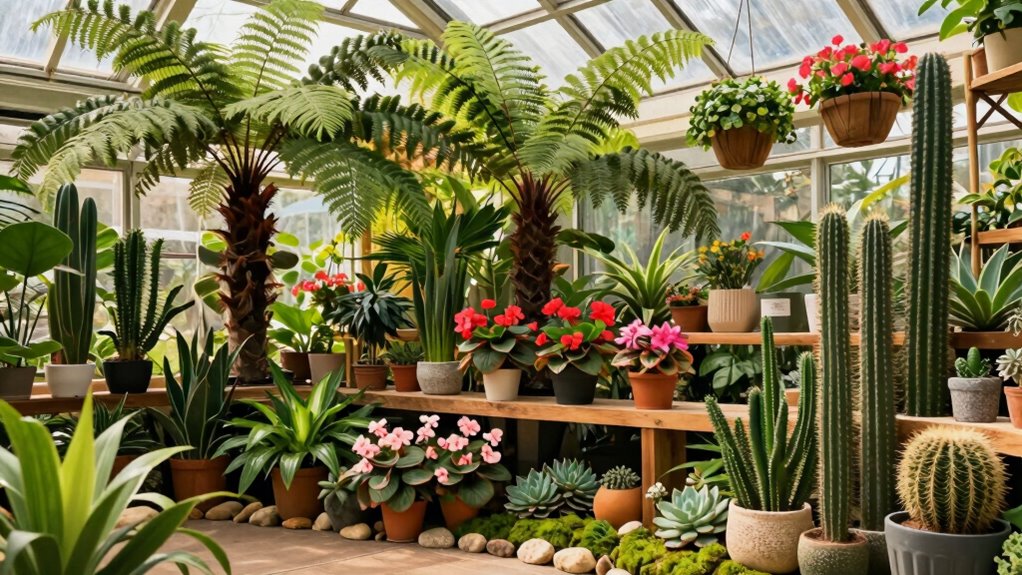
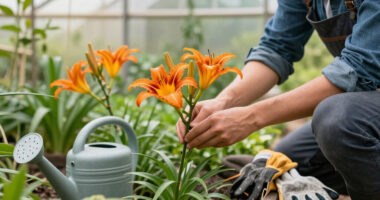
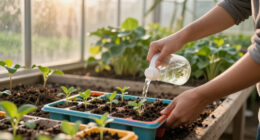
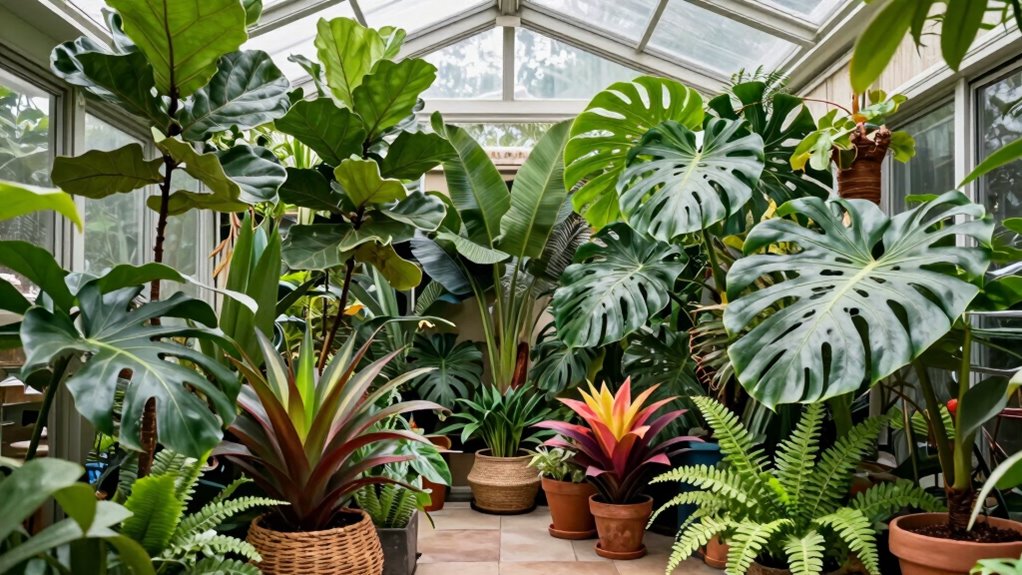
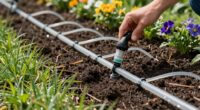
Have you ever wondered how to successfully grow different plant types under one roof? It’s a common challenge, especially when your goal is to maximize space and variety. The key lies in understanding the fundamentals of urban gardening and harnessing innovative techniques like hydroponic systems. These approaches allow you to create a versatile environment where a wide range of plants can thrive together, regardless of their individual needs. Incorporating plant grouping strategies can help optimize growth conditions and reduce conflicts among different species. Urban gardening is all about making the most of limited space, often in city environments where traditional gardening isn’t feasible. By integrating vertical gardens, container planting, and compact growing setups, you can cultivate herbs, vegetables, and even small fruit trees within your home or apartment. The trick is to carefully plan your layout, so plants with similar light, water, and nutrient requirements are grouped together. This minimizes conflict and ensures each plant gets what it needs to flourish. Hydroponic systems, in particular, are game-changers for growing different plant types under one roof. Unlike soil-based gardening, hydroponics use nutrient-rich water solutions, enabling you to control exactly what your plants absorb. This means you can tailor conditions for leafy greens, herbs, strawberries, or even flowers, all within the same system. You can set up separate reservoirs or zones, adjusting pH levels and nutrient mixes according to each plant’s preferences. This flexibility is perfect for diversifying your indoor garden without the mess or space constraints of soil. To make this work, you’ll need to contemplate lighting, temperature, and humidity. Different plants have varying needs; herbs like basil and mint thrive in bright, consistent light, while some vegetables prefer cooler, shaded spots. Use grow lights to supplement natural sunlight, and ensure your indoor environment is stable. Ventilation and humidity control also matter—plants like leafy greens appreciate higher humidity, while flowering plants might need drier conditions. Mixing plants with different growth habits and needs requires ongoing observation and adjustment. Rotate crops, monitor water levels, and keep an eye on plant health. Creating a schedule for fertilization and pruning helps maintain balance and prevents one plant from overshadowing or outcompeting others. Proper environmental control is essential to maintaining a harmonious indoor garden. Regularly researching plant care requirements can help you adapt your environment more effectively, leading to a more thriving and diverse indoor garden. Developing a thorough understanding of plant compatibility can further improve your success rate by ensuring that the plants you select are better suited to cohabitate. The goal is to foster a harmonious environment where each plant can reach its full potential without creating issues for its neighbors.
As an affiliate, we earn on qualifying purchases.
Frequently Asked Questions
How Do I Prevent Pests From Spreading Between Plants Indoors?
To prevent pests from spreading between your indoor plants, start with pest prevention by regularly inspecting each plant for signs of pests. Use plant isolation by keeping new or infested plants separate from healthy ones for a few weeks. Quarantine new plants, clean tools after handling infected plants, and maintain good airflow. These steps help reduce pest spread and keep your indoor garden healthy and thriving.
What Are the Best Lighting Setups for Mixed Plant Environments?
Oh, sure, just toss a few LED lights up and hope for the best—because that’s how plants thrive, right? In reality, you want a setup with spectrum customization, allowing you to tailor light wavelengths to each plant’s needs. LED lighting provides energy-efficient, adjustable options, ensuring your tropicals get the warmth and blues they crave, while succulents bask in the reds. It’s like a spa day for your plants, customized perfectly.
How Can I Manage Different Humidity Needs Simultaneously?
You can manage different humidity needs by creating distinct humidity zones within your space. Use microclimate control tools like humidifiers, dehumidifiers, and misting systems to target specific areas. Place plants with similar humidity requirements together, and consider using barriers or enclosures to maintain separate microclimates. Regularly monitor humidity levels with a hygrometer, adjusting your devices accordingly to guarantee each plant’s ideal environment is maintained.
What Soil Types Are Suitable for Diverse Indoor Plants?
You should choose soil types that offer a good mix of soil composition and nutrient balance, tailored to the specific needs of your plants. Use a well-draining potting mix for succulents and cacti, while tropical plants thrive in richer, moisture-retentive soil. Incorporate organic matter and adjust nutrient levels as needed to support healthy growth. Regularly monitor and amend your soil to guarantee each plant gets the right environment.
How Do I Ensure Proper Watering Without Overwatering?
Think of your plants like a symphony, each needing the right balance for harmony. To avoid overwatering, establish a consistent watering schedule and use moisture monitoring tools to check soil moisture levels regularly. This way, you’ll give each plant just enough water without drowning their roots. Adjust your approach based on the specific needs of different plants, ensuring they thrive together under your care.
Conclusion
So, here’s the irony: by cramming diverse plants under one roof, you might think you’re creating harmony, but you’re actually embracing chaos—just like life itself. Each plant, with its unique needs, reminds you that growth isn’t one-size-fits-all. Yet, in trying to control everything, you might discover that the beauty lies in the unexpected. Sometimes, the best strategy is simply to let nature take its unpredictable course—just like your own journey.
Fall Picks
fall essentials
As an affiliate, we earn on qualifying purchases.