
TL;DR

Get garden gear delivered free with Prime
- Fast, free delivery on millions of items
- Prime Video, Amazon Music and more included
- Member-only deals all year
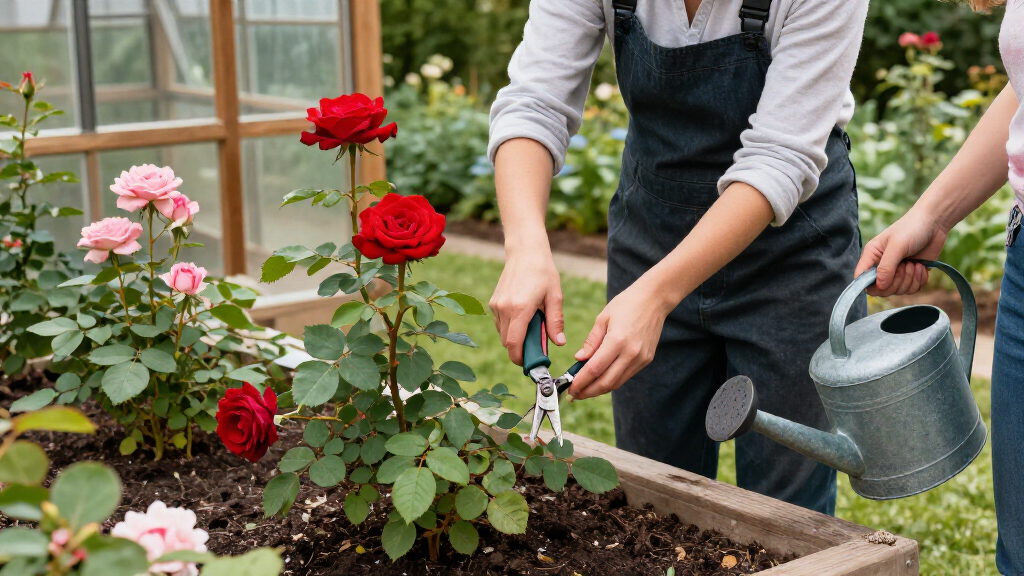
A Gardening Know How report shares three November rose-care tasks recommended by a gardener with more than 20 years of experience: shorten excessively tall canes, clear fallen and diseased leaves, and mound mulch around vulnerable plants in colder regions. The advice is seasonal guidance, not a one-size-fits-all pruning or winterizing schedule; the gardener says rose type and local conditions matter.
A professional gardener with more than 20 years of experience recommends three November jobs to help protect roses through winter: trim excessively tall canes, remove fallen and diseased leaves, and mound mulch around vulnerable plants in colder regions. The advice, published by Gardening Know How, is intended to limit wind and cold-weather damage without replacing the main annual pruning.
The gardener’s first recommendation is a limited protective trim. He shortens tall, unruly canes that could be caught by winter winds, but does not use November for major pruning or reshaping. He says strong gusts can rock a rose in the soil, loosen roots and leave a gap around the base where water may collect and freeze. The report advises saving structural pruning for late winter or early spring, after the worst cold has passed.
The second task is to clear fallen leaves around the plant and remove diseased foliage still attached to stems. The report names black spot, rust and powdery mildew as fungal problems that can persist on infected plant material. Removing that debris, the gardener says, reduces material that could contribute to disease problems when wetter, warmer weather returns. The source does not specify a disposal method beyond advising that infected foliage be disposed of appropriately.
For roses exposed to cold, the third task is to mound mulch around the base, particularly to cover the crown and graft union of vulnerable plants. The report says repeated freezing and thawing can harm exposed roots or push plants out of the ground. The gardener cautions that not every rose needs the same treatment; the amount and kind of winter protection depend on the plant and conditions.
How the Three Tasks Protect Roses
The recommendations address three different winter risks: wind movement, disease-carrying debris and temperature swings. Together, they offer gardeners a short checklist for autumn cleanup and preparation, while distinguishing basic protection from more substantial pruning. That distinction matters because cutting back a rose heavily in November is not what the gardener recommends.
The advice may be most relevant to people whose roses face exposed winter winds or hard freezes. A mulch mound can help shield vulnerable parts of a plant, but the article does not present it as a universal requirement. Its central message is to match winter care to the rose and local climate, rather than applying the same treatment to every bush.
Products Worth Considering

EGO POWER+ Cordless Leaf Blower, 765 CFM, with 5.0Ah Battery (LB7654)

Greenworks 80V Cordless Electric Leaf Blower, 700 CFM, with 2.5 Ah Battery and Charger

EGO POWER+ LB6151 Cordless Leaf Blower with 2.5Ah Battery and Charger
As an affiliate, we earn on qualifying purchases.
Advice From Two Decades of Rose Care
The article is written by a gardener’s spouse and draws on her husband’s experience caring for gardens for more than 20 years. The source says he has tended many roses, particularly hybrid roses, while the writer says she grows tougher, more wildlife-friendly roses such as Rosa rugosa. That distinction helps explain why the report frames its recommendations around vulnerable plants rather than insisting every rose needs identical winter care.
The guidance is specifically about November preparation, not a complete rose-care calendar. It recommends only trimming growth that could be whipped by wind, cleaning up foliage and adding winter mulch where conditions call for it. The main structural pruning is left until late winter or early spring.
Local Conditions Shape Winter Care
The supplied report does not identify the gardener by name or provide a publication date, climate zone or specific temperature threshold for applying the recommendations. It also does not give measurements for how much to shorten a cane or how deep to mound mulch. Those details matter because winter severity and rose hardiness vary.
The article describes the advice as the gardener’s practice and does not present comparative trial results showing how much each task changes survival or spring growth. Readers should treat the steps as general seasonal guidance, not a guarantee against cold injury or disease. The report also does not specify a universal method for disposing of infected foliage.
Apply the Checklist to Your Garden
Gardeners can use the checklist as a starting point in November: inspect for long canes likely to move in wind, clear fallen and visibly diseased leaves, and consider a mulch mound if the rose is vulnerable to freezing. The source advises postponing major structural pruning until late winter or early spring.
Before adding winter protection, growers will need to account for their local climate and the type of rose. The report gives no further forecast, follow-up or scheduled update, so any additional guidance on local timing would need to come from regional gardening advice or the plant’s specific care instructions.
Key Questions
What are the three November tasks recommended for roses?
The gardener recommends shortening excessively tall canes, removing fallen and diseased leaves, and mounding mulch around vulnerable roses in colder regions.
Should roses be heavily pruned in November?
No. The advice is to make a protective trim only where long growth could be whipped by wind. The report says to save major structural pruning for late winter or early spring.
Why remove leaves around roses before winter?
The report says fungi associated with black spot, rust and powdery mildew can persist on infected plant material. Clearing fallen and diseased foliage may reduce debris around the plants over winter.
Do all roses need mulch in November?
No. The gardener recommends mounding mulch around vulnerable roses in colder regions and cautions that the same treatment is not needed for every rose. Local climate and plant type affect the choice.
Source: gardeningknowhow.com