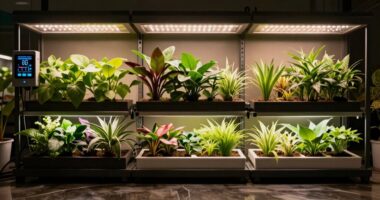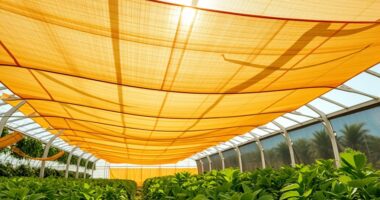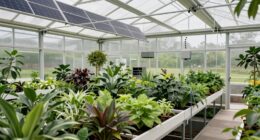
To reduce plant stress with smarter environmental control, you should monitor soil moisture regularly and adjust watering accordingly to prevent drought or waterlogging. Use mulch to regulate temperature and moisture, and guarantee proper drainage to avoid root rot. Keep environmental conditions like light, humidity, and airflow balanced, and select resistant plant varieties. Combining these strategies can boost plant resilience; discover more tips below to help your plants thrive in any environment.
Key Takeaways
- Maintain proper soil moisture levels through regular monitoring and mulching to prevent drought or overwatering stress.
- Optimize environmental conditions like light, humidity, and airflow to reduce temperature fluctuations and humidity stress.
- Implement integrated pest management to minimize pest-related stress and protect plant health.
- Ensure proper drainage and avoid water saturation to prevent root rot and soil instability.
- Support overall plant vigor with balanced fertilization and soil health practices to enhance resilience.
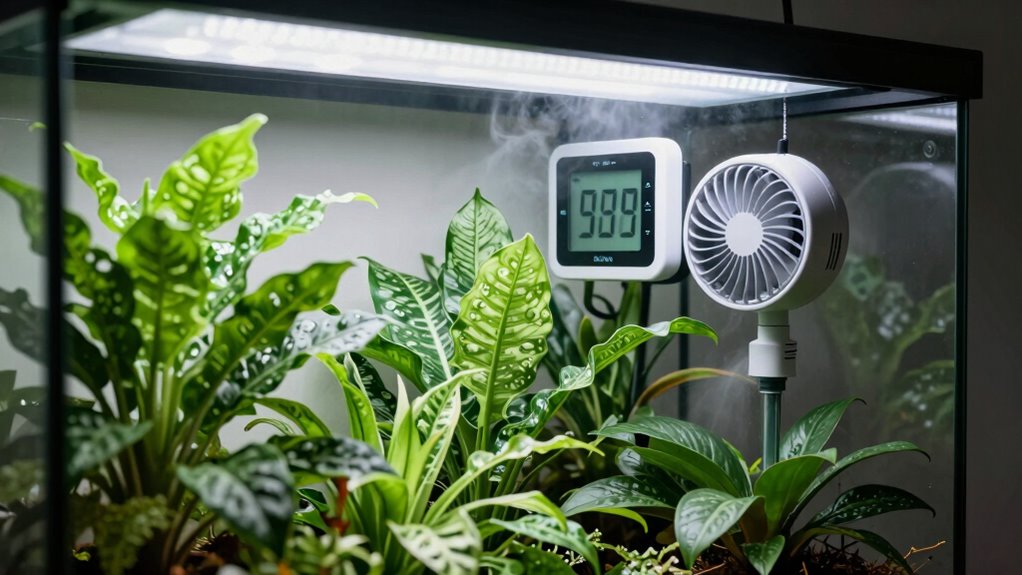
Plants, like all living things, experience stress from environmental factors such as drought, extreme temperatures, pests, and pollution. Managing these stressors is essential for maintaining healthy growth, and understanding how to optimize conditions can make a significant difference. One of the key elements to focus on is soil moisture. When soil is too dry, plants can struggle to absorb water and nutrients, leading to wilting and stunted growth. Conversely, overly saturated soil can cause root rot and oxygen deprivation. To strike the right balance, you need to monitor soil moisture regularly and adjust watering accordingly. Using mulch helps retain soil moisture during hot weather, reducing water loss and keeping roots cool. Installing soil moisture sensors can provide real-time data, allowing you to water precisely when needed, avoiding both drought stress and overwatering. Proper soil management is crucial for creating a resilient environment for your plants. Pest management plays a critical role in reducing plant stress caused by pests and diseases. Pests weaken plants by feeding on leaves, stems, and roots, making them more susceptible to environmental stressors. Implementing integrated pest management (IPM) strategies is your best approach. This involves identifying pests early, using biological controls like beneficial insects, and applying targeted treatments only when necessary. Avoiding broad-spectrum pesticides not only protects beneficial insects but also prevents chemical buildup that might harm plant health. Regular inspection of your plants helps catch pest issues before they escalate, minimizing damage and stress. Maintaining plant vigor through proper fertilization and watering also enhances pest resistance, as healthy plants are less attractive targets for pests. Incorporating soil health practices can further improve plant resilience by fostering beneficial microbial activity in the soil. A balanced environment that considers both soil and pest factors supports overall plant health and reduces stress. Creating a stable environment also involves understanding the importance of plant nutrition, which directly influences plant vigor and stress tolerance. Additionally, providing appropriate environmental conditions like light, humidity, and airflow can significantly reduce stress factors. Combining soil moisture management with effective pest control creates a resilient environment for your plants. When soil moisture levels are ideal, plants are better equipped to withstand pest attacks and temperature fluctuations. Ensuring proper drainage, avoiding overwatering, and mulching can help maintain consistent soil conditions. At the same time, proactive pest management reduces the likelihood of pest-related stress, which can weaken plants and make them more vulnerable to environmental challenges. You should also consider planting resistant varieties and practicing crop rotation if you’re growing vegetables or other annuals, further reducing pest problems. Ultimately, reducing plant stress involves creating a stable, healthy environment. By paying close attention to soil moisture and implementing strategic pest management, you help your plants develop strong defenses against environmental stressors. This integrated approach allows your plants to thrive, grow vigorously, and resist disease, ensuring a more productive and sustainable garden or landscape.

XLUX Long Probe Deep Use Soil Moisture Meter, Water Monitor Indicator Sensor, Hygrometer for Outdoor Indoor Large Pot Plants, Flower, Gardening, Farming
Accurate Soil Moisture Detection: The XLUX Soil Moisture Meter can tell you if the soil deep inside your…
As an affiliate, we earn on qualifying purchases.
As an affiliate, we earn on qualifying purchases.
Frequently Asked Questions
How Do Different Plant Species Respond to Environmental Changes?
You’ll notice that different plant species respond uniquely to environmental changes because of their distinct plant adaptation strategies. Some plants exhibit high species resilience, thriving in varied conditions, while others are more sensitive. By understanding these responses, you can tailor your environmental control methods, like adjusting light, water, or temperature, to support each species’ needs. This personalized approach helps reduce stress and promotes healthier, more resilient plants.
What Are the Signs of Overwatering or Underwatering Plants?
Like a modern alchemist, you’ll notice overwatering signs through yellowing leaves, soggy soil, and a foul smell, indicating root rot. Underwatering shows itself with wilting, dry soil, and browning leaf edges. To avoid stress, adjust watering frequency based on your plant’s needs, ensuring roots stay healthy. Regularly check soil moisture and observe your plant’s response—these are key to keeping it thriving and stress-free.
How Can I Automate Environmental Controls for Plants?
You can automate environmental controls for your plants by installing smart systems that manage lighting and humidity. Use automated lighting to mimic natural day-night cycles, ensuring your plants get the right amount of light. Incorporate humidity regulation devices to maintain ideal moisture levels, preventing stress. These systems can be programmed to adjust automatically based on sensor data, making plant care easier and more consistent, reducing the risk of over or underwatering.
What Are Cost-Effective Ways to Monitor Plant Health?
You can monitor plant health cost-effectively by using smartphone apps or DIY sensors to track plant nutrient levels and detect pest management issues early. Regular visual inspections help identify signs of stress or disease without expensive equipment. Incorporate soil moisture sensors and affordable testing kits to guarantee ideal nutrient levels, reducing stress. These methods keep you informed and allow timely interventions, promoting healthier plants without breaking the bank.
How Does Soil Type Affect Plant Stress Levels?
Soil type acts like the foundation of a house, directly impacting plant stress levels. You should consider soil composition and nutrient balance, as sandy soils drain quickly and may cause drought stress, while clay soils retain too much water, risking root rot. Adjusting soil amendments and choosing plants suited for your soil type helps maintain ideal conditions, reducing stress and promoting healthier growth. Proper soil management is key to thriving plants.

Automatic Plant Waterer, Plant Watering Device for 15 Pots, Indoor Plant Watering System, Auto Drip Irrigation Kit Programmable Water Timer with Smart Humidity Detection
【Save 30% Water】Our plant watering devices can easily hydrate up to 15 pots. The unique "Humidity" mode divides…
As an affiliate, we earn on qualifying purchases.
As an affiliate, we earn on qualifying purchases.
Conclusion
By mastering smarter environmental control, you can turn stressful conditions into a thriving oasis for your plants. Think of it like giving your greenery a gentle hug rather than leaving them in a storm. Just as you’d adjust your own environment for comfort, tweaking humidity, light, and temperature helps your plants flourish. When you take these small but smart steps, you create a peaceful haven—making your garden not just alive, but truly resilient.
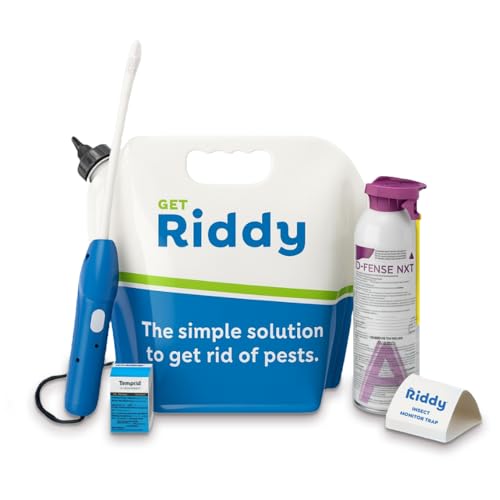
Riddy Pest Pro Kit, Effective Against 100+ Bugs, Includes Rechargeable Sprayer, Traps, Gloves & Tips Guide, Long-Lasting Barrier for Unwanted Pests Professional-Grade Treatment
DO-YOUR-SELF PEST KIT: Designed by professionals with decades of experience, this kit gives you results within a matter…
As an affiliate, we earn on qualifying purchases.
As an affiliate, we earn on qualifying purchases.

HealthiStraw GardenStraw, 3 cu ft (20 lbs) All-Natural Mulch for Gardens, Vegetables & Lawn Seeding – Water-Conserving Wheat Straw – Thoroughly Cleaned, Sustainable
All-Natural & Clean Mulch —Sustainably sourced 100% non-GMO wheat straw is naturally filtered to remove dust, dirt, and…
As an affiliate, we earn on qualifying purchases.
As an affiliate, we earn on qualifying purchases.