TL;DR

Get garden gear delivered free with Prime
- Fast, free delivery on millions of items
- Prime Video, Amazon Music and more included
- Member-only deals all year
Homes & Gardens recommends seven vegetables for November sowing or planting: rhubarb, arugula, shallots, peas, mizuna, pak choi and one additional vegetable not identified in the supplied excerpt. The report says timing and the need for protection depend on local conditions; it gives specific harvest estimates for several leafy crops but no guarantee of results across climates.
Homes & Gardens has published a November planting guide recommending seven vegetables for gardeners seeking quick crops or an early spring harvest. Its advice covers rhubarb, arugula, shallots, peas, mizuna and pak choi in the supplied report excerpt; the seventh vegetable is not named in the material provided. The guide stresses that what can be planted now, and whether it needs cover, depends on local climate and USDA hardiness zone, much like when planning vegetable sowing in October.
The recommendations span crops with different planting methods and harvest schedules. For rhubarb, the guide advises planting dormant crowns rather than relying on seed for a quicker start. Crowns can go into the ground from fall through spring when the soil is not frozen, and established plants may provide stems from late April into early July. The report says a rhubarb plant can last 10 to 15 years with proper care.
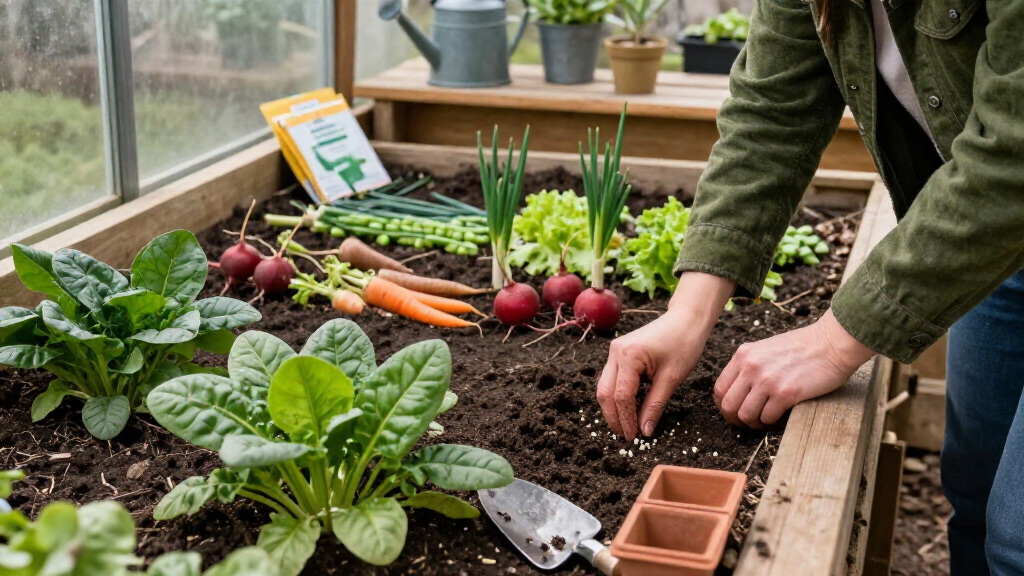
For quicker leaves, the guide says arugula can germinate in about a week and may be ready for picking in four to six weeks under suitable conditions. Mizuna seedlings typically appear in seven to 10 days, with baby leaves ready in about a month. Baby pak choi leaves may be harvested in as little as four weeks. These are estimates from the report, not guaranteed timelines; growing conditions affect results.
Shallots planted from sets can be harvested early the following summer, according to the guide, complementing other vegetables planted in September for fall and spring harvests. It recommends fertile, well-drained soil in full sun and warns that waterlogged ground can cause sets to rot. For peas, it suggests hardy, round-seeded varieties such as ‘Douce Provence’ or ‘Meteor’ in colder conditions, rather than wrinkled types that may be more prone to rotting in wet winter soil. The supplied excerpt cuts off during the pak choi section and does not identify its seventh vegetable.
Matching November Sowing to Local Winters
The guide matters to gardeners because a November planting decision can affect whether seeds establish before winter, survive cold and wet weather, or produce leaves and stems on the expected schedule. Its recommendations are not a universal planting calendar: a crop suited to a mild region may need protection, or may not be practical, in a colder one.
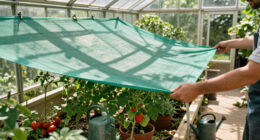
For gardeners aiming at an early harvest, the reported timelines offer a way to distinguish leafy crops that can be picked within roughly a month from shallots and rhubarb, which take longer to produce. The guidance also flags practical risks, including frost, heavy snow, waterlogged soil and bird disturbance. Row covers, fleece, cloches, a cold frame or an unheated greenhouse are suggested for some crops in colder areas. Any covering should be suited to the crop and local conditions.
Products Worth Considering

Orbit B-hyve XD 4-Port Smart Hose Watering Timer with Wi-Fi Hub

VEVOR 14-Pack Polycarbonate Greenhouse Panels, 2 × 4 ft

EGO POWER+ Cordless Electric Leaf Blower 530 CFM with Battery (LB5302)
As an affiliate, we earn on qualifying purchases.
Six Crops Named in the Excerpt
The source is a seasonal Homes & Gardens article about vegetables to sow in November 2026. It frames the advice around a choice between quick-cropping vegetables and cold-hardy varieties, while noting that suitability varies by location and USDA zone. The author says they have managed community and kitchen gardens for nearly 20 years; that experience is presented as background to the recommendations, not as a controlled growing trial.
The six crops identifiable in the supplied text are rhubarb, arugula (also called rocket), shallots, peas, mizuna and pak choi (also called bok choy). The article gives distinct conditions for several: arugula may need row covers or an unheated structure in colder areas, while mizuna can be sown outdoors in warmer places or under cover in colder zones. Pak choi tolerates light to moderate frost, but the source recommends a cold frame or greenhouse in colder zones to guard against hard freezes. No planting dates beyond the general November guidance can be applied reliably without knowing a reader’s local weather and soil conditions.
“It all depends on your location and USDA hardiness zone.”
— Homes & Gardens report
Missing Crop and Local Conditions
The supplied source material does not name the seventh vegetable. It ends partway through the pak choi entry, so the complete list and any further instructions in the original article cannot be verified from the excerpt. The material also does not provide a specific location, forecast, soil temperature or garden microclimate, all of which can affect whether November sowing succeeds.
The harvest windows are presented as general guidance rather than results from a named trial, and they are conditional on suitable growing conditions. The source does not establish that every gardener can harvest on those schedules, nor does it provide a single planting date that applies across USDA zones.
Check the Full Guide Before Planting
Gardeners should check the full Homes & Gardens article for the omitted crop and consult local growing guidance before sowing. Next steps depend on the garden’s hardiness zone and immediate conditions: confirm that the soil is workable and not frozen, choose varieties suited to winter growing, and decide whether crops need a row cover, fleece, cloche, cold frame or unheated greenhouse. For shallots, the report specifically advises avoiding waterlogged ground; for rhubarb crowns, it says to wait if the soil is frozen.
There is no single follow-up date or promised harvest in the source. The practical milestone is whether seedlings or planted sets establish and withstand local winter weather, followed by harvesting according to crop growth rather than the estimates alone.
Key Questions
Which vegetables does the supplied report excerpt name?
It names rhubarb, arugula, shallots, peas, mizuna and pak choi. Although the article title promises seven vegetables, the supplied excerpt ends before the seventh is identified.
How soon can the leafy crops be harvested?
The report estimates about four to six weeks for arugula, around a month for mizuna baby leaves and as little as four weeks for baby pak choi leaves. These are conditional estimates, not guaranteed harvest dates.
Can these vegetables be planted in every region in November?
No. The guide says suitability depends on location and USDA hardiness zone. Some crops may need protection in colder areas, and frozen or waterlogged soil can affect planting decisions.
What protection does the report recommend for cold weather?
Depending on the crop and location, it mentions row covers, fleece, cloches, cold frames and unheated greenhouses. It advises protecting young peas from hard freezes and heavy snow and shielding pak choi from hard freezes in colder zones.
Source: homesandgardens.com