TL;DR
November care can help protect camellia buds as winter approaches: check soil moisture, mulch around the roots and shield vulnerable plants during hard frosts. Avoid heavy pruning and wait until after flowering in spring to fertilize.
Gardeners preparing camellias for winter should focus in November on maintaining even soil moisture, adding mulch and protecting exposed plants from hard frost, according to gardening advice from Jackson & Perkins President Kelly Funk. The guidance also cautions against heavy pruning and fertilizing now, because many varieties have already formed buds for their coming blooms.

Get garden gear delivered free with Prime
- Fast, free delivery on millions of items
- Prime Video, Amazon Music and more included
- Member-only deals all year
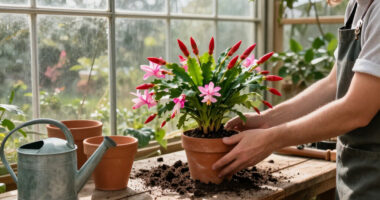
Camellias have relatively shallow roots, so their soil can dry out even as temperatures fall. Check the top couple of inches of soil and water when needed to keep it consistently moist, not soggy. Plants in containers may need closer attention because their compost can dry more readily; pots also need good drainage to reduce the risk of waterlogged roots. Funk advises watering before the ground freezes to help prevent winter dehydration.
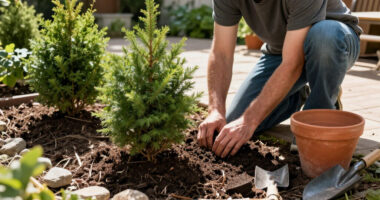
Around the plant, apply a 2- to 3-inch layer of organic mulch to help insulate roots and retain moisture. Leaf mold and pine bark are suggested options for these acid-loving shrubs. Keep mulch away from the stem or base, where trapped moisture can contribute to rot or fungal problems. The source does not give a specific watering schedule, so gardeners should account for rainfall, soil conditions and whether the plant is in a pot or the ground.
As cold snaps approach, monitor the local forecast. Funk recommends breathable frost cloth for young or exposed plants during extreme cold. Container-grown camellias can be moved to a sheltered position. Avoid heavy pruning because it can remove flower buds; if branches are damaged or diseased, remove only those parts with clean cuts during a frost-free spell. Wait until after flowering in spring to fertilize, when active growth resumes, rather than encouraging tender growth ahead of winter.
Prepare Camellias for Winter Protect the blooms ahead
November care helps safeguard developing buds as winter approaches. Keep roots evenly moist, add mulch and protect vulnerable plants during hard frosts.
Keep moisture balanced
Check the top couple of inches of soil and water when needed; aim for moist, not soggy.
Use soil conditions and rainfall to guide watering; there is no fixed schedule.
Use leaf mold or pine bark, keeping mulch away from the stem to reduce rot risk.
Water as needed before the ground freezes to help prevent winter dehydration.
Protect plants from hard frost
Young, exposed and container-grown camellias may need extra shelter during extreme cold.
Cover exposed plants
Use breathable frost cloth for young or exposed plants during extreme cold snaps.
Find a sheltered spot
Check pots more closely because compost can dry faster, and make sure drainage is good.
Preserve next season’s buds
- Remove damaged or diseased branches only when needed.
- Make clean cuts during a frost-free spell.
- Avoid heavy pruning that could remove formed flower buds.
- Fertilize after flowering, when active growth resumes.
Protecting Buds Before Winter
November care matters because some popular camellias, including Camellia japonica, form flower buds during summer and fall before opening in winter. A sudden hard frost can damage those developing buds, while pruning at this stage may remove them. The guidance is aimed at reducing those risks, not guaranteeing a particular number of flowers: flowering time and results vary by variety and conditions.
Moisture management also involves balancing two risks. Dry soil can contribute to buds turning brown and dropping, while persistently wet soil can harm roots. Gardeners should use rainfall and soil checks to guide watering rather than following a fixed calendar. Mulch and frost covers offer practical protection, especially for young plants and containers exposed to wind and cold.
Products Worth Considering

Blackstone 22-Inch Tabletop Griddle with Stainless Steel Faceplate

Husqvarna Automower 435X AWD Robotic Lawn Mower

Greenworks 24V Cordless Brushless Leaf Blower, 515 CFM, 130 MPH, with 5.0Ah Battery and Charger
As an affiliate, we earn on qualifying purchases.
Why November Care Matters
Camellias are evergreen shrubs with glossy leaves and rose-like flowers. Their bloom season depends on the variety, with some flowering in fall or winter. They generally grow in borders or containers when provided with slightly acidic soil and consistent moisture, according to the supplied gardening guidance.
The November recommendations reflect the timing of winter-flowering varieties: buds may already be present even when the flowers have not opened. That makes autumn a time for protecting existing growth rather than carrying out routine shaping or feeding. The advice is attributed to Kelly Funk, president of Jackson & Perkins; no independent trial results or region-specific temperature thresholds are provided in the source material.
“Well-draining, slightly acidic soil is especially important, as camellias are sensitive to soggy roots. Watering before the ground freezes can also help prevent winter dehydration.”
— Kelly Funk, president of Jackson & Perkins
Weather and Bloom Timing
The advice does not specify frost temperatures, local climate zones or how long a frost cover should remain in place. Those decisions depend on the forecast and the plant’s exposure. It also does not predict how many flowers an individual shrub will produce: variety, growing conditions and prior bud development affect timing and display. The guidance describes general care, not a guarantee of abundant winter blooms.
There is no region-specific watering frequency, either. Rainfall, drainage, container size and soil moisture all affect how often a plant needs water. Gardeners should avoid both allowing the root zone to dry out and keeping it saturated.
Monitor Frost and Spring Growth
Through November and the colder months, check the forecast, inspect soil moisture and use breathable frost protection for vulnerable plants during severe cold. After winter, allow the camellia to finish flowering before considering fertilizer; the source recommends feeding in spring as active growth resumes. Any necessary removal of damaged or diseased branches should be limited and done in frost-free conditions.
Key Questions
Should I prune a camellia in November?
Avoid heavy pruning, because many camellias have already formed buds for their upcoming flowers. Remove damaged or diseased branches only when necessary, using clean cuts during a frost-free period.
How much should I water a camellia in winter?
There is no fixed amount in the guidance. Check the soil and water when the top couple of inches are drying, aiming for moist but not waterlogged soil. Take rainfall and drainage into account.
Should I cover my camellia when frost is forecast?
For young or exposed plants, the advice recommends breathable frost cloth during extreme cold snaps. Container plants may be moved to a sheltered location.
When should I fertilize a camellia?
Wait until spring, after flowering, when active growth resumes. The source advises against November fertilizing because it may encourage soft growth vulnerable to frost.
Source: homesandgardens.com