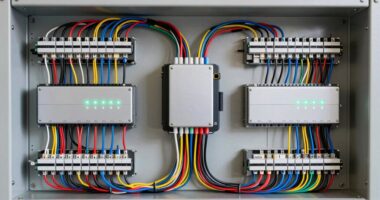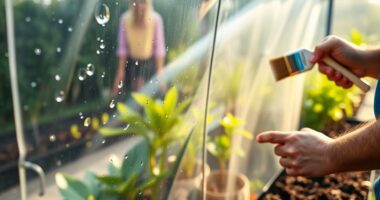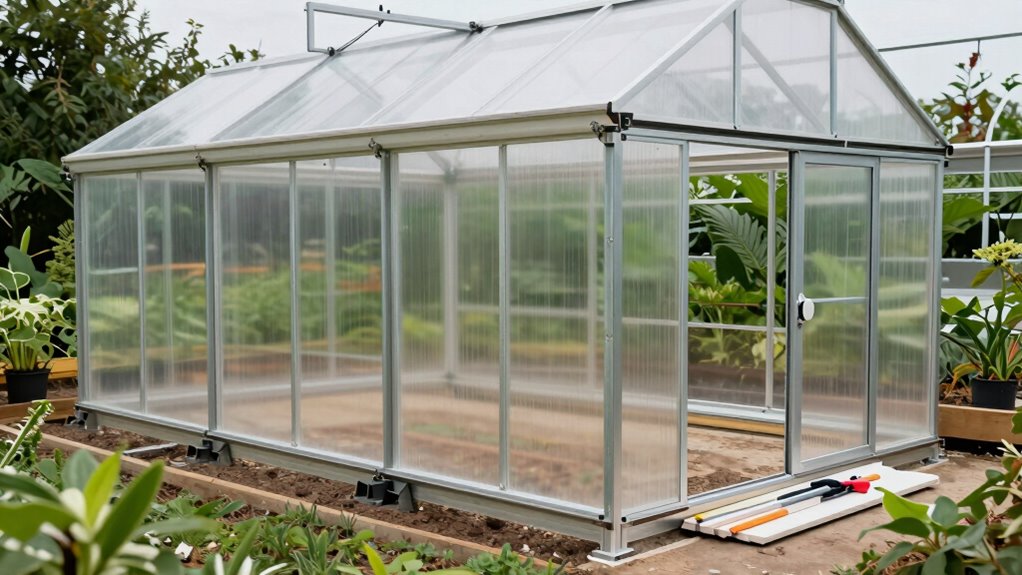

Start by establishing a solid, level foundation to support current and future structures, making sure it’s stable for long-term security. Install climate control systems like ventilation, heating, and cooling early to prevent disruptive retrofits later. Set up hydroponic infrastructure, including plumbing and wiring, to allow easy expansion. Position lighting and automation with adjustable mounts, so adding more systems feels seamless. Careful layout planning for future shelving, pathways, and storage keeps your greenhouse flexible and ready for growth—discover more about creating a truly expandable greenhouse.
Key Takeaways
- Establish a stable, level foundation to support current and future structures securely.
- Install climate control systems early to ensure consistent conditions and easy integration for expansion.
- Set up hydroponic infrastructure initially to streamline piping, wiring, and space utilization later.
- Incorporate lighting and automation systems with adjustable components for seamless scalability.
- Design the layout with ample space and modular pathways to facilitate future growth without major disruptions.
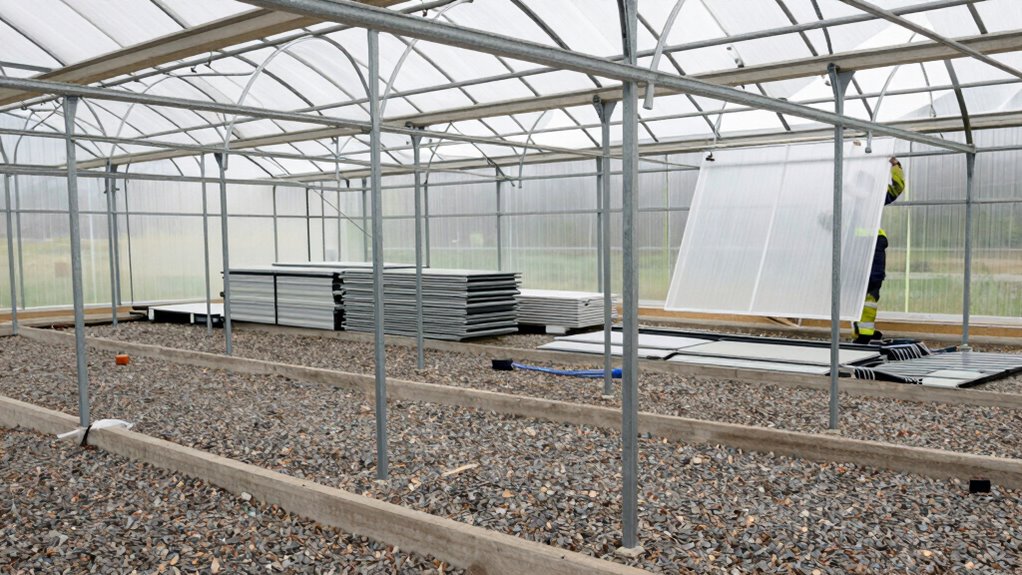
Are you ready to set up your greenhouse efficiently? If so, it’s essential to plan carefully from the start to make future expansion smoother. Beginning with your foundation, focus on establishing a solid, level base that can support your structure now and later. This stable base ensures your setup remains secure as you grow. Once the foundation is in place, install your climate control systems early. Proper climate control—like ventilation, heating, and cooling—affects plant health and energy efficiency. Setting this up before adding plants or additional modules ensures you won’t have to tear apart sections later. It also helps maintain consistent conditions, which are vital for optimal growth.
Start with a solid, level foundation and install climate control early for seamless greenhouse expansion.
Next, consider your hydroponic systems. These are perfect for maximizing space and controlling growing conditions, but they require careful planning. Install your hydroponic setups early, including plumbing, reservoirs, and grow trays, so you won’t have to retrofit them later. These systems can be integrated into your greenhouse design to streamline maintenance and expansion. Think about how you’ll connect additional modules or sections when you scale up—laying out the piping and electrical wiring now saves you time and effort down the line. Planning for modular growth, whether through partition walls or expandable systems, ensures your greenhouse can grow seamlessly without major disruptions. Incorporating modular design from the beginning can make future upgrades easier and more efficient. Additionally, paying attention to sustainable growing practices during setup can enhance your greenhouse’s energy efficiency and reduce environmental impact over time. Incorporating renewable energy sources can further optimize your sustainability goals from the outset.
Lighting is another key factor. Install your primary lighting fixtures early, especially if your greenhouse relies heavily on artificial light. Use adjustable mounts and standardized fixtures so that adding more lights later is straightforward. This approach means you won’t need to dismantle or modify existing setups when expanding. Also, consider installing sensors and automation controls at this stage, which will help you manage climate and lighting efficiently as your operation grows. Incorporating sustainable design principles from the outset further enhances long-term viability and environmental impact.
Finally, keep future needs in mind when designing your workspace layout. Leave room for additional shelving, workbenches, or storage areas. Planning pathways that can accommodate larger equipment or extra sections will save you time and money later. When you’re methodical about these initial steps—covering foundation, climate control, hydroponic systems, lighting, and layout—you set a strong foundation for easy expansion. Your greenhouse will be more adaptable, cost-effective, and ready to grow with your ambitions. The key is foresight and deliberate planning now, so your setup remains efficient and scalable as your needs evolve.

Kraft Tool GG600 Self-Leveling Kit
Last longer product
As an affiliate, we earn on qualifying purchases.
As an affiliate, we earn on qualifying purchases.
Frequently Asked Questions
What Are the Best Materials for Greenhouse Framing?
You should choose durable materials like aluminum or galvanized steel for greenhouse framing, as they withstand weather and pests well. Aluminum is lightweight and resistant to corrosion, making it ideal. Incorporate solar shading and pest barriers into your design to protect plants and improve climate control. These materials support the structure’s longevity, making future expansion easier, while solar shading and pest barriers enhance plant health and reduce maintenance needs.
How Do I Choose the Ideal Greenhouse Size?
You should choose a greenhouse size based on your space, plant spacing needs, and future expansion plans. Start by evaluating how much space your plants require and guarantee proper soil preparation beforehand. Consider your current and future crop varieties to avoid overcrowding. Picking a size that comfortably accommodates your plants with room to grow helps streamline expansion later. Always plan for adequate ventilation and easy access to maintain ideal growing conditions.
What Climate Considerations Affect Greenhouse Setup?
You should consider your climate zone assessment and seasonal weather patterns when setting up your greenhouse. Knowing your climate zone helps you choose materials and insulation suited for temperature fluctuations. Seasonal weather patterns influence ventilation, heating, and shading needs. By understanding these factors, you can design a greenhouse that maintains ideal conditions year-round, reducing energy costs and preventing weather-related damage, ultimately making future expansion smoother and more cost-effective.
How Can I Optimize Ventilation During Setup?
Get the ball rolling by strategically placing vents for ideal natural airflow, ensuring fresh air circulates without a hitch. Position vents on opposite sides or at different heights to promote cross-ventilation, which keeps temperature and humidity balanced. Keep vents easy to open and close for quick adjustments. This setup helps your greenhouse breathe better, making future expansions smoother while maintaining a healthy environment for your plants.
What Are Common Mistakes in Initial Greenhouse Installation?
You often make mistakes in initial greenhouse installation by skipping proper soil preparation, which can lead to poor plant growth and pests. Make sure you thoroughly test and amend the soil beforehand, adding organic matter for nutrients. Also, neglecting pest prevention measures can cause issues later. Install pest barriers or screens early, and keep the environment clean. Avoid rushing these steps to set a strong foundation for your greenhouse’s success.

VIVOSUN Clamp Lamp Light with Detachable 8.5 Inch Aluminum Reflector up to 150 Watt E26 Socket (No Bulb Included), 6 Feet Cord, UL Listed, Pack of 2
Multifunctional Clamp Lamp: With non-marring spring clamp on grips, this clamp light can be used for common lighting…
As an affiliate, we earn on qualifying purchases.
As an affiliate, we earn on qualifying purchases.
Conclusion
As you follow this setup sequence, you’ll find that the initial steps subtly set the stage for future expansion, almost like planting seeds that grow beyond your expectations. The careful planning you invest now mirrors the natural rhythm of growth—sometimes, the smallest adjustments later reveal themselves as crucial. In this way, your greenhouse becomes more than just a structure; it transforms into a living testament to your foresight, where every detail quietly supports the next chapter of your gardening journey.

Ahopegarden Indoor Garden Hydroponics Growing System: 10 Pods Plant Germination Kit Herb Vegetable Growth Lamp Countertop with LED Grow Light – Hydrophonic Planter Grower Harvest Lettuce
High planting efficiency: Start an indoor herb garden with the Ahopegarden hydroponic growing system, which includes a water…
As an affiliate, we earn on qualifying purchases.
As an affiliate, we earn on qualifying purchases.

BIBISTORE Solar Automatic Window Opener for Greenhouse Heat Sensitive Auto Greenhouse Vent Opener Greenhouse Accessories Hothouse Roof Vent Kit-Lifts 15 Lbs
1.Black Color powder coating for frame,looks nice and not rust.
As an affiliate, we earn on qualifying purchases.
As an affiliate, we earn on qualifying purchases.