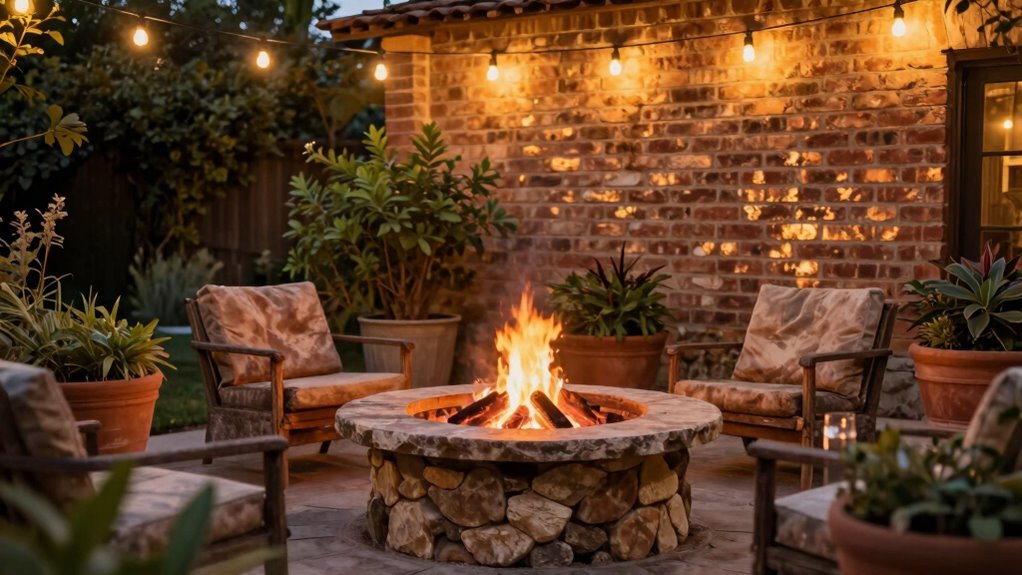
To enjoy warmer nights, place thermal mass like concrete or brick on interior sun-exposed walls or floors where it can absorb heat during the day. Position it towards south-facing walls or areas that get direct sunlight, ensuring it’s insulated well to prevent heat loss. Proper placement maximizes heat storage and gradual release, creating a cozy indoor environment at night. Keep exploring to learn how strategic placement can make a real difference in your home’s comfort.
Key Takeaways
- Place thermal mass on interior walls facing the sun, such as south-facing walls, for maximum heat absorption.
- Incorporate thermal mass into floors in sun-exposed areas to store and gradually release heat overnight.
- Position thermal mass in rooms with unobstructed access to sunlight, avoiding shade or overhangs that block solar gain.
- Use durable, high-density materials like concrete or brick in strategic locations to ensure effective heat retention.
- Proper insulation around thermal mass prevents heat loss, enhancing its ability to warm indoor spaces during the night.
What Is Thermal Mass and Why Does It Matter?

Thermal mass refers to a material’s ability to absorb, store, and release heat. This property is rooted in its thermal properties, which determine how effectively it manages temperature fluctuations. By incorporating materials with high thermal mass, you can improve your home’s energy efficiency, reducing the need for constant heating or cooling. When a material absorbs heat during the day, it stores it and then releases it slowly as temperatures drop, maintaining a more stable indoor environment. This process helps you save energy and lowers utility bills. Understanding the role of thermal mass allows you to make smarter choices about building materials and design, ultimately creating a warmer, more comfortable space during cooler nights. Energy-efficient solutions can further enhance the benefits of thermal mass in sustainable building practices. Additionally, selecting appropriate building materials with high thermal mass is essential for maximizing these benefits, especially when combined with passive solar design principles.
Where Should You Place Thermal Mass in Your Home?
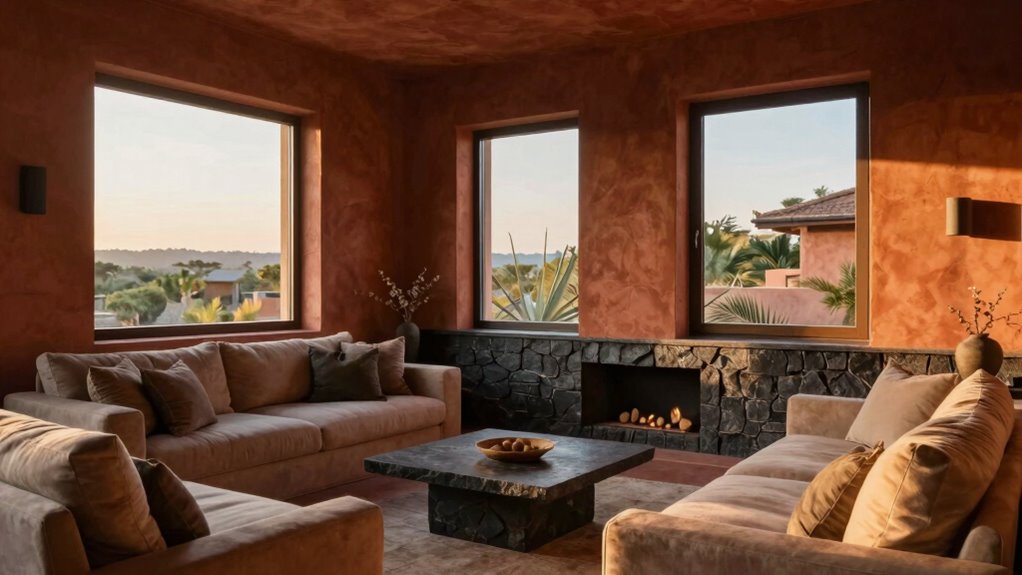
You should consider placing thermal mass on inner walls to maximize heat absorption without losing warmth. Integrating it into floors can help store energy and release it slowly over time. Additionally, placing thermal mass in sun-exposed areas captures solar heat during the day, helping to warm your home at night.
Inner Wall Placement
Placing thermal mass on interior walls is often the most effective way to maximize heat absorption and release. By integrating thermal mass into your interior decor, you create a buffer that moderates temperature swings. Positioning it on interior walls ensures it stays insulated from exterior elements, maximizing efficiency. Consider these points:
- Place thermal mass where sunlight hits, such as south-facing interior walls.
- Use materials that complement your existing wall insulation and decor.
- Avoid placing thermal mass behind furniture or in cluttered areas.
- Ensure the wall surface is solid and even for optimal heat transfer.
- Proper thermal mass placement helps optimize energy efficiency and maintains your home’s comfort levels. Additionally, understanding how free floating thermal mass interacts with your home environment can further enhance its effectiveness.
- Selecting appropriate thermal mass materials is crucial for achieving the desired thermal performance without compromising interior design. Incorporating thermal mass design principles can help integrate these materials seamlessly into your space.
- To maximize benefits, consider the thermal mass distribution throughout your home, ensuring balanced heat absorption and release across different areas.
This strategic placement allows thermal mass to absorb daytime heat and release it slowly at night, improving comfort without disrupting your home’s aesthetic or insulation integrity.
Floor Integration Strategies
To maximize the effectiveness of thermal mass in your home, consider integrating it directly into your flooring. This approach allows the mass to absorb and release heat smoothly, creating a cozy environment. When planning, think about how thermal mass complements your interior decor and aesthetic considerations. Choose materials like concrete, tile, or stone that blend seamlessly with your design. Placement matters: install thermal mass where it can capture sunlight or stabilize indoor temperatures. Incorporating proper ventilation considerations ensures optimal heat retention and energy efficiency. Here’s a quick guide:
| Location | Material Options | Aesthetic Considerations |
|---|---|---|
| Ground floors | Concrete, stone | Modern, rustic, minimalistic |
| Below heated floors | Poured concrete | Sleek, seamless look |
| Elevated surfaces | Tile, brick | Stylish, textured accents |
| In staircases | Stone, concrete | Adds visual interest |
In addition, understanding thermal mass placement can optimize your home’s energy efficiency. Properly integrating thermal mass into your flooring design and considering insulation strategies can further enhance heat retention and comfort.
Sun-Exposed Locations
Thermal mass works best when positioned in areas that receive direct sunlight, as they can absorb warmth during the day and gradually release it at night. Choose locations with ideal solar orientation, like south-facing walls in the northern hemisphere, to maximize sun exposure. Consider insulation strategies to prevent heat loss when the sun isn’t shining, ensuring the stored warmth stays inside. Ideal spots include:
- South-facing exterior walls with ample window access
- Sunlit interior wall spaces away from drafts
- Rooms with unobstructed views to the sun
- Areas where thermal mass can be shielded from shade or overhangs
How Can You Position Thermal Mass for Better Warmth?
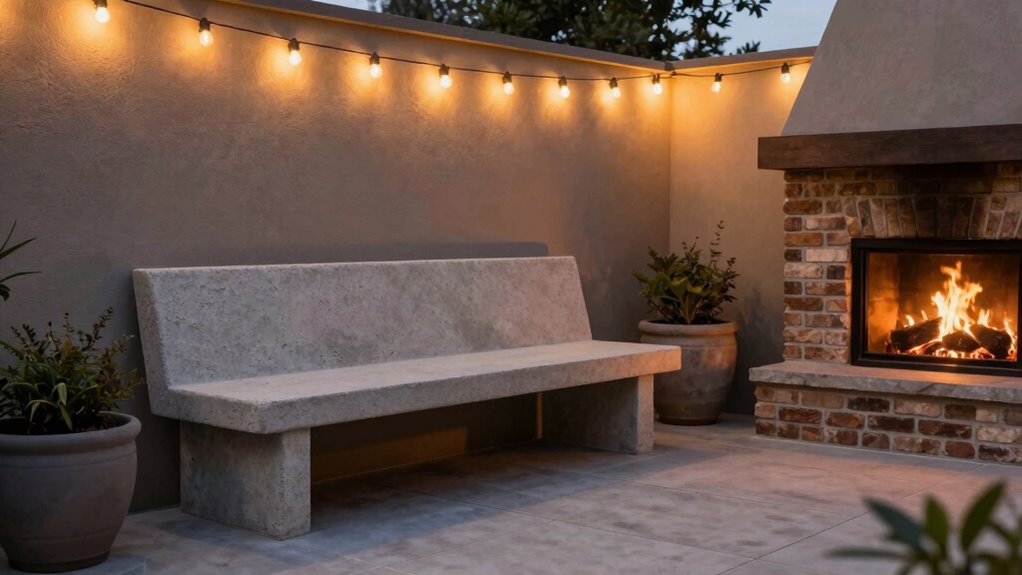
Positioning thermal mass correctly can substantially enhance its ability to store and release heat, making your home warmer during chilly nights. Many thermal mass myths suggest that simply adding heavy materials will automatically improve warmth, but proper placement is key. For effective passive design, place thermal mass on interior walls facing the sun or in areas that receive direct sunlight during the day. This allows it to absorb heat and release it slowly overnight. Avoid positioning thermal mass in shaded or poorly insulated zones, which diminishes its effectiveness. The goal is to maximize heat gain during the day and slow heat loss at night. Thoughtful placement ensures your thermal mass works with your home’s natural heat flow, rather than against it. Additionally, understanding the principles of thermal mass heat transfer can help optimize its placement for maximum efficiency, especially by utilizing thermal mass placement strategies. Proper thermal mass integration within your home’s design can further enhance its effectiveness and comfort.
Which Materials Are Best for Thermal Mass?

When choosing materials for thermal mass, high-density options like concrete and brick are especially effective at storing heat. You should also consider their thermal storage capacity, durability, and how much they cost over time. Picking the right material depends on balancing these factors to suit your specific needs. Additionally, integrating architectural solutions that optimize space and material placement can enhance thermal performance further. Understanding thermal properties of different materials can help you make more informed choices for energy efficiency. Furthermore, aligning your material choices with energetic alignment principles can promote a more harmonious and effective thermal system. For example, selecting materials with suitable thermal conductivity can significantly improve heat transfer and retention. Incorporating material layering techniques can also improve overall thermal performance by managing heat flow more effectively.
High-Density Materials Effectiveness
High-density materials are highly effective for thermal mass because they can store and release heat more efficiently than lighter alternatives. They help maintain steady indoor temperatures by absorbing heat during the day and releasing it at night. When choosing materials, consider factors like insulation gaps and aesthetic considerations, as these impact performance and appearance. For example, dense materials like concrete or brick:
- Minimize insulation gaps, preventing heat loss
- Offer durability for long-lasting thermal storage
- Blend seamlessly with various architectural styles
- Provide a solid, natural aesthetic that ages well
Their weight and thermal properties make them ideal for thermal mass applications. Additionally, material thermal conductivity plays a crucial role in determining how quickly heat is transferred through the material, influencing its effectiveness for thermal mass. Incorporating high thermal inertia into your design can significantly enhance energy efficiency. Furthermore, selecting materials with appropriate thermal mass properties can optimize your building’s overall comfort and energy performance. To maximize their benefits, it’s essential to consider proper installation techniques, which can greatly affect the overall thermal performance. Properly addressing insulation quality can also prevent unwanted heat loss and improve efficiency. However, you should weigh these benefits against potential aesthetic constraints and installation challenges, ensuring the material aligns with your home’s design and comfort goals.
Thermal Storage Capacity
Choosing the right materials for thermal storage depends on their ability to absorb and release heat effectively. Materials with high thermal storage capacity can absorb heat during the day and release it slowly at night, enhancing passive heating. Dense materials like concrete and brick are excellent choices because they store considerable heat and release it gradually. Proper thermal insulation around these materials prevents heat loss, maximizing their effectiveness. When selecting materials, consider their ability to hold heat without quickly losing it, ensuring your space stays warmer through the night. Using materials with high thermal storage capacity in strategic locations can notably improve your home’s passive heating, making nights cozier without relying heavily on active heating systems.
Material Durability and Cost
To determine the best materials for thermal mass, you need to contemplate both their durability and cost. Material durability guarantees your investment withstands weather, wear, and temperature fluctuations, minimizing replacements. Cost considerations affect your overall project budget, influencing material choice. For durable and cost-effective options, consider:
- Concrete: Highly durable, affordable, and easy to mold.
- Rammed earth: Long-lasting, sustainable, but requires more labor.
- Brick: Classic, durable, with moderate costs.
- Stone: Extremely resilient, but can be pricier and heavier to install.
Balancing durability and cost helps you choose materials that last longer and fit your budget, ensuring your thermal mass performs effectively over time without breaking the bank.
Common Mistakes to Avoid When Using Thermal Mass

While thermal mass can be highly effective for moderating indoor temperatures, many people make mistakes that reduce its efficiency. One common error is overlooking insulation gaps, which can let heat escape or enter, negating the benefits of thermal mass. Proper insulation is essential to trap heat during the day and release it at night. Another mistake is using thermal mass solely for decorative purposes, such as overly aesthetic finishes that don’t contribute to thermal performance. This can lead to inadequate heat absorption or slow heat transfer. Additionally, placing thermal mass in areas exposed to direct sunlight without shading can cause overheating. To maximize effectiveness, ensure thermal mass is integrated correctly, insulated properly, and not just used for visual appeal, so it genuinely helps maintain warmer nights.
How to Include Thermal Mass in Your Home’s Design

Incorporating thermal mass into your home’s design requires strategic planning from the outset. To maximize its benefits, consider integrating materials like concrete, brick, or tile in areas exposed to passive solar heating. Position these mass elements where they’ll absorb and store heat during the day, then radiate it back at night. Guarantee your design includes effective thermal insulation to prevent heat loss. Use large, south-facing windows to optimize passive solar gain, directing sunlight onto your thermal mass. Keep open floor plans to allow even heat distribution. Avoid placing thermal mass behind insulated walls where it won’t interact with sunlight. Thoughtful placement and design ensure thermal mass works seamlessly with passive solar strategies, creating a warmer, more comfortable home during chilly nights.
Real-Life Success Stories of Thermal Mass Installation

Real-life examples show how effective thermal mass can transform home comfort, even when facing thermal mass myths and installation challenges. For instance, a homeowner in a temperate climate installed a concrete slab, reducing heating costs and night-time temperatures. Another case involved a retrofit where thermal mass helped stabilize indoor temperatures despite limited space. These success stories highlight the importance of proper planning and expert guidance to overcome installation challenges. Often, misconceptions about thermal mass making homes too cold or heavy are proven false through real results. Here’s a quick visual of common ideas:
| Success Story | Challenge Overcome | Result |
|---|---|---|
| Concrete slab in living | Space limitations | Increased comfort |
| Masonry walls in retrofit | Thermal mass myths about weight | Reduced heating needs |
| Clay tiles in a sunny room | Balancing insulation | Warmer nights, lower bills |
Tips to Maintain and Optimize Your Thermal Mass Performance

Once you’ve successfully installed thermal mass in your home, maintaining and optimizing its performance becomes key to maximizing comfort and energy savings. Focus on enhancing passive solar design by ensuring proper placement of windows and shading devices. Use insulation techniques to prevent heat loss during colder months, like adding reflective barriers or insulating around thermal mass surfaces. Regularly monitor your home’s temperature patterns and adjust shading or ventilation to optimize heat absorption and release. Keep thermal mass surfaces clean and free of dust to improve heat transfer. Incorporate strategic window placement, efficient insulation, and proper shading to support passive solar benefits. Consistent upkeep ensures thermal mass works effectively, keeping your home warmer at night and reducing energy costs.
Frequently Asked Questions
Can Thermal Mass Be Used in Any Climate?
Yes, thermal mass can be used in many climates because of its material versatility and climate adaptability. You can incorporate it into your home design to store heat during the day and release it at night, helping maintain a comfortable temperature. Its effectiveness depends on proper placement and insulation, making it a flexible solution suitable for diverse environmental conditions to improve energy efficiency year-round.
How Long Does It Take for Thermal Mass to Affect Indoor Temperature?
Thermal mass timing varies, but generally, you’ll notice an indoor temperature delay within a few hours to a day. As thermal mass absorbs and releases heat, it slowly influences your indoor temperature, helping to stabilize it overnight or during cooler periods. The exact timing depends on factors like material, insulation, and climate. Expect a gradual change, typically taking several hours to see a significant impact on indoor comfort.
Is Thermal Mass Effective in Energy-Efficient or Passive Homes?
Like a silent guardian, thermal mass benefits passive homes by maintaining stable indoor temperatures. It’s highly effective when you select the right materials, such as concrete or adobe, that absorb and slowly release heat. In energy-efficient designs, thermal mass complements insulation and passive solar techniques, making your home more comfortable and reducing energy bills. Proper material selection amplifies these benefits, ensuring thermal mass works ideally in your sustainable living space.
What Are the Costs Associated With Installing Thermal Mass?
Installing thermal mass costs vary depending on materials and home size, typically ranging from a few hundred to several thousand dollars. You should also consider ongoing maintenance expenses, which are generally low but include occasional inspections or repairs. To stay within budget, compare different materials, installation methods, and contractor quotes. Remember, investing in thermal mass can save you energy costs long-term, making it a worthwhile addition to your home.
Can Thermal Mass Be Combined With Other Heating Strategies?
Yes, thermal mass can be combined with other heating strategies, but you need smart thermal mass integration. The key is ensuring building material compatibility so that the thermal mass effectively stores and releases heat without causing issues. When you blend thermal mass with radiant heating or insulation, you maximize efficiency and comfort. Just be cautious—poor integration could undermine your efforts, so plan carefully to create a seamless, effective system.
Conclusion
By thoughtfully placing thermal mass, you create a cozy haven where warm nights feel like a gentle embrace. Imagine evenings spent in a home that naturally retains heat, where your efforts transform sunlight into comforting warmth. With the right choices, your space becomes a sanctuary of balance, inviting peaceful, restful nights. Embrace these strategies, and watch your home become a warm refuge—where comfort and energy efficiency harmoniously dance together.