
TL;DR

Get garden gear delivered free with Prime
- Fast, free delivery on millions of items
- Prime Video, Amazon Music and more included
- Member-only deals all year
A Gardening Know How report outlines how to recreate the pumpkin-and-gourd staircase displays associated with Martha Stewart. Experts recommend repeating a tight color palette, arranging pumpkins in odd-numbered groups, leaving space on the steps and using flowers and foliage to add structure.
Gardening Know How has published a guide to recreating the fall pumpkin displays associated with Martha Stewart, drawing on advice from a design producer and a gardening expert. Their recommendations focus on a repeated color palette, groups of differently sized pumpkins, and flowers and foliage—approaches intended to make a staircase display feel arranged rather than simply filled with pumpkins.
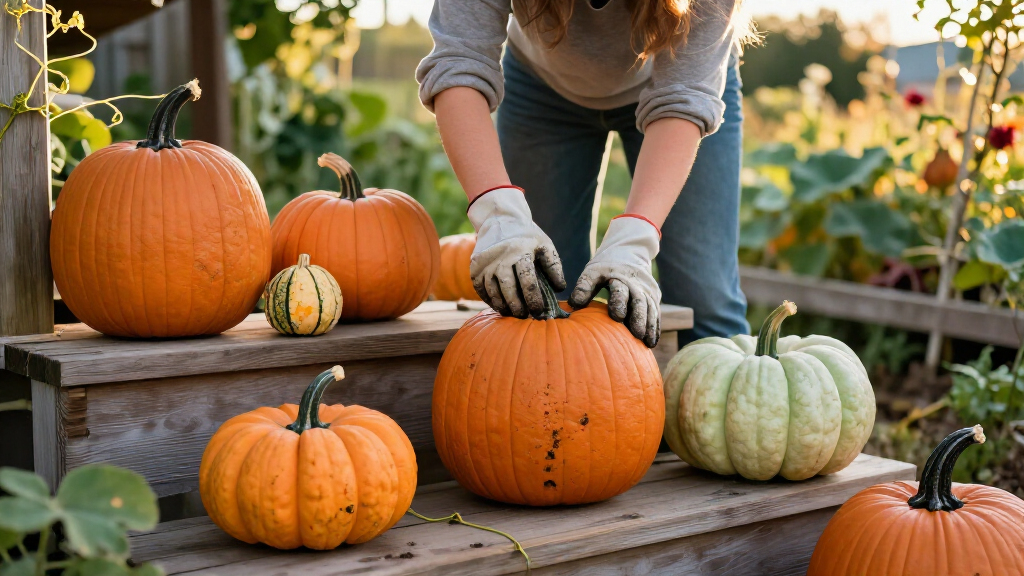
Preeti Shah, founder of Spotlight Style and a luxury event producer, recommends choosing a limited palette and repeating it from the bottom stair to the door. One example she gives is creamy white, soft sage and deep orange. Shah also advises varying pumpkin sizes, grouping them in odd numbers, using larger pieces to anchor corners and placing smaller ones near the front edge of a step.
Spacing is part of the arrangement, not an afterthought. Shah says to leave room between groups so the steps remain visible, then step back and adjust anything that draws too much attention. Her advice offers a practical way to check the display from the distance at which visitors will see it.
Heidi Grasman, gardening expert and co-owner of Garden Crossings, recommends adding flowers and foliage to avoid a display that reads as Halloween-only. She suggests mums for flower color, coral bells for foliage, and ornamental grasses for height or trailing shape. Pumpkins and other vegetables, she says, work best as accents within the planting scheme.
A Staircase Display With a Plan
The advice matters to readers because the effect depends less on a large number of pumpkins than on how the pieces are grouped. A limited palette can make different varieties look related, while varied sizes and open spaces keep a staircase from appearing crowded. Adding plants also gives the display color and texture beyond the pumpkins themselves.
These suggestions are adaptable to a smaller porch or a few steps. The source does not give a required budget or a fixed number of pumpkins; the central idea is to repeat colors and shapes, keep the stair surfaces legible, and treat flowers and foliage as part of the composition.
Grasman’s advice on mum selection also addresses how long the arrangement may look colorful. She recommends plants already in bloom for immediate color, or plants still in bud when the aim is to have flowers open over time. How long any individual display lasts will depend on the plants, weather and care.
pumpkin display staircase outdoor decor
As an affiliate, we earn on qualifying purchases.
As an affiliate, we earn on qualifying purchases.
Pumpkins, Gourds and Plant Choices
The report lists several pumpkin varieties for different looks. Casper, Lumina and Baby Boo are described as white or cream options. Howden and Cinderella pumpkins offer deeper orange, while Galeux d’Eysines has textured skin and Jarrahdale is described as bluish-gray. Gourds with varied shapes can fill gaps along the steps.
For gardeners planning ahead, the source says pumpkins can be sown outdoors in late May or early June, or started indoors four to six weeks before the last frost. It advises allowing at least six feet in each direction for most varieties, sowing two seeds per station, and later removing the weaker seedling by cutting it at soil level.
According to the report, pumpkins are ready to harvest when their skins are hard and stems are dry. It recommends curing them in a warm place for 10 to 14 days before using them for display. These are general growing suggestions from the article, not a guarantee that every variety or growing location will produce the same results.
“A pumpkin display looks designed when it has a plan.”
— Preeti Shah, founder of Spotlight Style and luxury event producer
What the Guide Does Not Specify
The source offers general design and gardening advice; it does not document a new statement from Stewart, give a date or location for a particular display, or confirm that Stewart uses the exact varieties and arrangement described. The article presents these suggestions as a way to imitate the look associated with her seasonal displays.
It also does not set a standard cost, exact pumpkin count or single arrangement that will work for every staircase. Growing schedules and results can vary with local frost dates, space and conditions, and the source does not provide location-specific growing instructions.
Planning a Fall Stair Display
For this fall, readers can begin with the space available and select a small palette before buying pumpkins, gourds or plants. Arrange larger pieces to anchor the display, add smaller ones in odd-numbered groups, and keep enough room for the steps to show. Mums, foliage and ornamental grasses can supply color and structure, following the experts’ recommendations.
Those who want homegrown pumpkins will need to plan for the next growing season using local planting guidance and the space available. The report suggests late-spring or early-summer sowing and a 10-to-14-day curing period after harvest. No further announcement or follow-up from Stewart is included in the source.
Key Questions
What are the main steps for copying the display?
Choose a limited color palette, vary pumpkin sizes, arrange them in odd-numbered groups and leave open space on the stairs. Add flowers and foliage for more texture and color.
Which pumpkins does the report recommend?
The report names Casper, Lumina and Baby Boo for cream or white tones; Howden and Cinderella for orange; and Galeux d’Eysines and Jarrahdale for more unusual textures or colors. It does not say these are the varieties Stewart necessarily uses.
Which flowers and foliage can be added?
Grasman recommends mums as a flower focal point, coral bells for foliage color and ornamental grasses for height or trailing shape. The report also mentions ornamental peppers, kale and cabbage for fall planters.
When should homegrown pumpkins be planted?
The report suggests sowing outdoors in late May or early June, or starting seeds indoors four to six weeks before the last frost. Local frost dates and growing conditions affect the appropriate timing.
How can gardeners tell when pumpkins are ready to harvest?
The report says to harvest when the skin is hard and the stem is dry, then cure the pumpkins in a warm place for 10 to 14 days before using them in a display.
Source: rss
Fall yard work Picks
leaf blowers
As an affiliate, we earn on qualifying purchases.