
TL;DR

Get garden gear delivered free — and shop member deals
- Fast, free delivery on millions of items
- Access to Prime Big Deal Days deals on October 6–7
- Prime Video, Amazon Music and more included
A Gardening Know How report describes Martha Stewart’s Halloween display, which uses dried flowers, seed heads and grasses alongside dark colors and a few spooky accents. The approach turns late-season garden material into indoor décor and may let some seed heads remain standing longer, though gardeners should consider wildlife and plant care before cutting.
Martha Stewart’s Halloween display uses dried flowers, dark seed heads and wispy grasses to make seasonal décor from plants already fading in the garden, according to a report by Gardening Know How. The arrangement offers gardeners an alternative to pumpkin-led decorations and a reason to look over late-season plants before clearing them for winter.
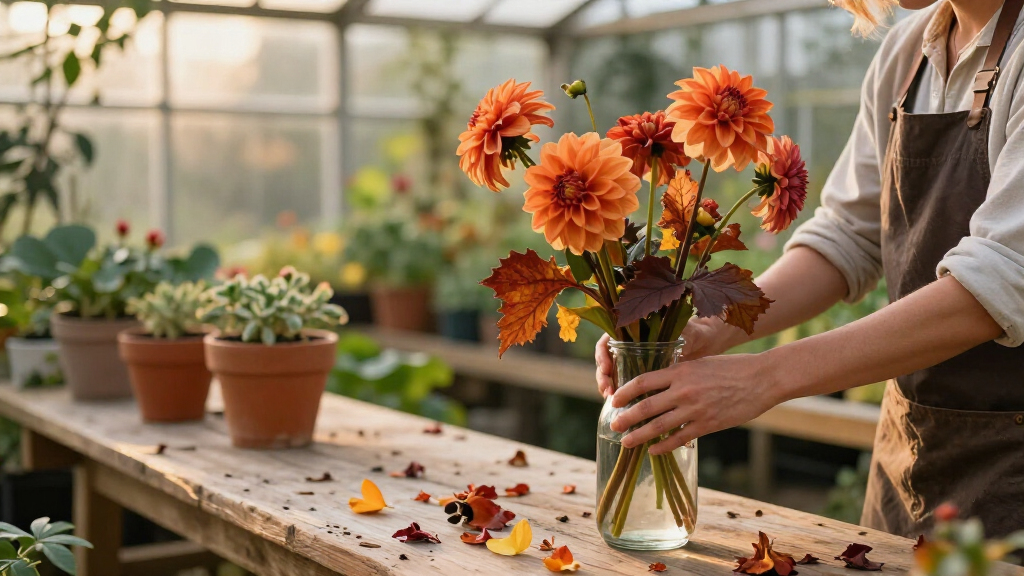
The report describes an arrangement built around natural late-season materials, including flower heads, stems and grasses that have aged in place. Rather than depending on bright orange or artificial decorations, the display combines those textures with deep, muted colors and selected Halloween details. The article characterizes the effect as closer to an autumn still life than conventional Halloween décor.
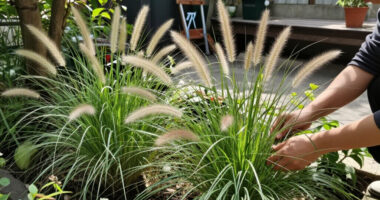
Several garden plants can contribute different shapes. Scabiosa seed heads are delicate, while coneflowers leave sturdy cones; dried alliums and ornamental grasses add structure and movement. Faded hydrangeas can take on green, mauve and brown tones, and spent dahlias or roses can contribute darker textures, Gardening Know How reports.
The article says Stewart has used seasonal materials such as dried pods and rose hips in Halloween arrangements. Its practical suggestion is to gather a selection of interesting forms from the garden, then build the display around burgundy, deep red, brown and muted green. A black taper candle or a skeletal ornament can add a Halloween cue without taking over the arrangement.
Late Blooms Become Seasonal Décor
The idea matters to gardeners because it makes late-season flowers useful beyond their bloom. Instead of treating every faded plant as garden waste, people can evaluate whether its seed head, stem or color could work indoors. That can offer a low-cost way to make a seasonal arrangement from plants already on hand, without growing a special Halloween crop.
Leaving some stems in place can also affect the garden outside the home. Gardening Know How notes that seed heads may provide food and shelter for wildlife and give borders structure through winter. Those benefits depend on the plants and conditions, so the display is not a reason to leave every plant untouched; the article itself acknowledges that some plants benefit from deadheading.
dried flower arrangements for Halloween
As an affiliate, we earn on qualifying purchases.
As an affiliate, we earn on qualifying purchases.
A Garden’s Autumn Materials
The report places Stewart’s display within a broader shift in the garden as the growing season ends: bright flowers fade, petals fall and seed heads take their place. It presents those changes as potential design features rather than signs that a garden is simply finished. The recommended materials come from common ornamental plants, including coneflowers, alliums, hydrangeas, dahlias, roses and grasses.
Its advice is to inspect plants before the usual autumn tidy-up, choose a few shapes and textures, and combine them with a restrained palette. The account also mentions a skull planter and skeletal hands as optional props. Those are examples from the report, not necessary parts of Stewart’s approach. The central technique is to pair weathered plant forms with a small number of dark accents.
““The idea is less about finding a perfect black flower and more about bringing together unusual shapes and textures.””
— Gardening Know How
Display Details Still Limited
The supplied report does not give a date, location or full inventory for Stewart’s display, nor does it establish whether the pictured arrangement was made entirely from her own garden. It offers no measurements, costs or step-by-step instructions. The article’s plant suggestions describe ways readers might adapt the look; they should not be read as confirmation that every listed plant appeared in Stewart’s arrangement.
The source also does not identify which plants should be left standing in a particular garden. Deadheading and winter care vary by plant and local conditions. Readers would need to check the needs of their own plants before deciding what to cut or leave outdoors.
Check Plants Before Cutting
The next step for gardeners interested in the look is to inspect late-season plants before tidying, then select stems and seed heads that are sound and visually useful. The report suggests arranging them with autumn colors and optional Halloween accents. It does not announce a scheduled follow-up or a new Stewart project, so further developments are not specified.
For plants left in the garden, readers can weigh their decorative value against wildlife needs and plant care. Some seed heads can remain for winter interest, while others may be better removed. The article’s main prompt is simply to pause before cutting back everything at season’s end.
Key Questions
What is Martha Stewart’s Halloween flower trick?
It is a decorating approach described by Gardening Know How: use dried blooms, seed heads and grasses with muted autumn colors and a few Halloween accents.
Which garden plants can work in an arrangement?
The report names scabiosa, coneflowers, alliums and ornamental grasses, along with faded hydrangeas, dahlias and roses. Their suitability depends on what is growing in a reader’s garden.
Do I need special flowers or decorations?
No special Halloween crop is described as necessary. The approach uses plants already fading in the garden; a candle or skull ornament is an optional accent mentioned in the report.
Should I leave all seed heads standing?
No. The article says some seed heads can provide wildlife food, shelter and winter structure, but also notes that some plants benefit from deadheading. Check the needs of each plant before deciding.
Source: rss
Fall Picks
fall essentials
As an affiliate, we earn on qualifying purchases.