TL;DR

Get garden gear delivered free — and shop member deals
- Fast, free delivery on millions of items
- Access to Prime Big Deal Days deals on October 6–7
- Prime Video, Amazon Music and more included
A Homes & Gardens report outlines October planting options including spring bulbs, cool-season vegetables, hardy perennials, trees and shrubs. Which plants can establish before winter depends on local hardiness zone, soil conditions and the timing of the first hard frost.
Homes & Gardens has published an October planting guide covering spring bulbs, cool-season vegetables, hardy perennials, trees and shrubs for US gardeners. The advice is tailored to USDA hardiness zones and local first-frost dates, because plants need enough time and suitable soil conditions to establish before winter.
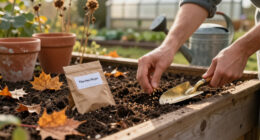
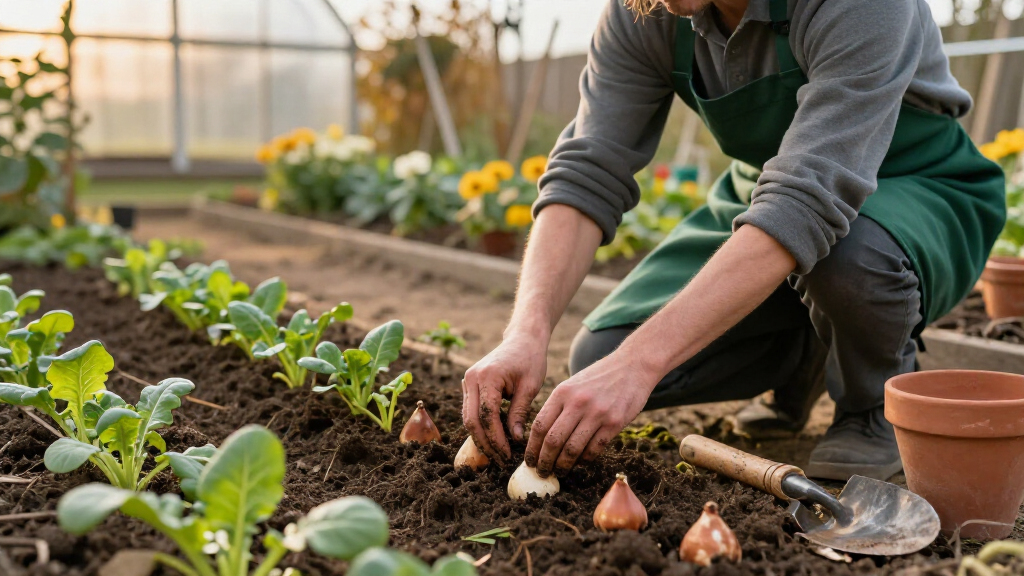
The report recommends spring bulbs such as tulips, daffodils, alliums, crocuses and hyacinths. Most benefit from a cold period to flower and can use lingering warmth in fall soil to begin rooting. The guide says to plant bulbs in freely draining soil at a depth of roughly two to three times the bulb’s height. In warmer Zones 8–10, tulips and hyacinths may need several weeks of chilling before planting.
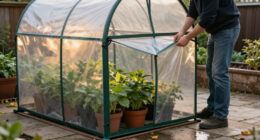
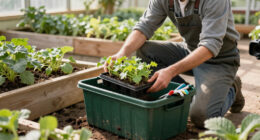
For edible planting, it names garlic, spinach, arugula, kale, lettuce, radishes, peas and fava beans as cool-season options. Gardeners in Zones 7–10 may be able to sow salad leaves, radishes, spinach, Asian greens and carrots outdoors. In Zones 4–6, the guide recommends focusing on quick crops under protection, such as spinach and lettuce in a cold frame. Garlic can be planted in many temperate areas from October into November, as long as the ground has not frozen.
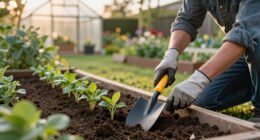
The report also lists hardy perennials, including peonies, coneflowers, hardy geraniums, asters, sedums and ornamental grasses, along with deciduous trees and shrubs such as maples, serviceberries, redbuds, viburnums, hydrangeas, lilacs and ninebarks. It advises watering perennials after planting, loosening circling roots and keeping mulch away from plant crowns and stems.
A Head Start for Spring Growth
October planting can give suitable plants time to develop roots while air temperatures are cooler and soil may still retain warmth. That can help bulbs, perennials, trees and shrubs settle before spring growth resumes. Cool-season crops also give gardeners in regions with mild falls a way to keep beds productive as summer crops end.
The practical value depends on local conditions. The article advises gardeners to use their first hard frost as a guide, rather than treating October as a universal deadline. A planting window that works in a mild coastal area may be too late in a colder region, while October can mark the start of a growing season in parts of Zones 9–11.
Planting Windows Vary by Zone
The report divides its advice by USDA hardiness zone. It says gardeners in Zones 6–8 can plant many of the listed options through much of October, while those in Zones 4–5 should move earlier in the month and favor bulbs, hardy trees and protected crops. In Zones 9–11, October may be a favorable start for vegetables and flowers.
These ranges are general guidance, not a forecast for an individual garden. Local frost timing, drainage and soil condition also shape whether planting is sensible. The article says to postpone trees, shrubs and perennials if the ground is frozen or waterlogged, or likely to freeze within about two weeks.
Local Frost Dates Set the Limit
The source does not provide city-level planting dates or weather forecasts, so readers must check local conditions. It also does not specify how long each plant needs to establish in every region. The broad zone recommendations cannot account for differences in exposure, soil drainage or unusual seasonal weather.
The report’s supplied text ends during its discussion of bare-root plants, so it does not include the complete instructions for planting or caring for bare-root trees and shrubs. Gardeners should check plant-specific directions and local guidance before planting.
Check Conditions Before Planting
Before choosing plants, gardeners can check their USDA hardiness zone, expected first hard frost and soil drainage. For bulbs and perennials, prepare planting sites with freely draining soil; for vegetables in colder areas, consider a cold frame or other protection. Stop planting woody plants and perennials if the ground is frozen or waterlogged, or a freeze is expected soon.
As fall progresses, the next practical milestone is whether the remaining weather leaves enough time for roots to establish. Local forecasts and plant-specific instructions will help determine whether to plant now or wait until spring.
Key Questions
What flowers can I plant in October?
The guide lists spring bulbs such as tulips, daffodils, alliums, crocuses and hyacinths, as well as hardy perennials including peonies, coneflowers, asters and sedums. Suitable choices and timing depend on your zone and frost date.
Which vegetables can be planted in October?
Cool-season options in the report include garlic, spinach, arugula, kale, lettuce, radishes, peas and fava beans. In colder Zones 4–6, protected sowing such as spinach or lettuce in a cold frame may be more suitable.
How late can I plant trees and perennials?
The report does not give one deadline for every location. It advises postponing planting if the ground is frozen or waterlogged, or likely to freeze within about two weeks. Local frost timing and plant instructions matter.
Do tulips need chilling before planting?
The guide says tulips and hyacinths in warmer Zones 8–10 may need several weeks of chilling in a refrigerator before planting. Follow the supplier’s directions for the specific bulbs.
Source: rss
Fall Picks
fall essentials
As an affiliate, we earn on qualifying purchases.