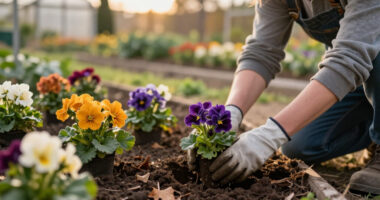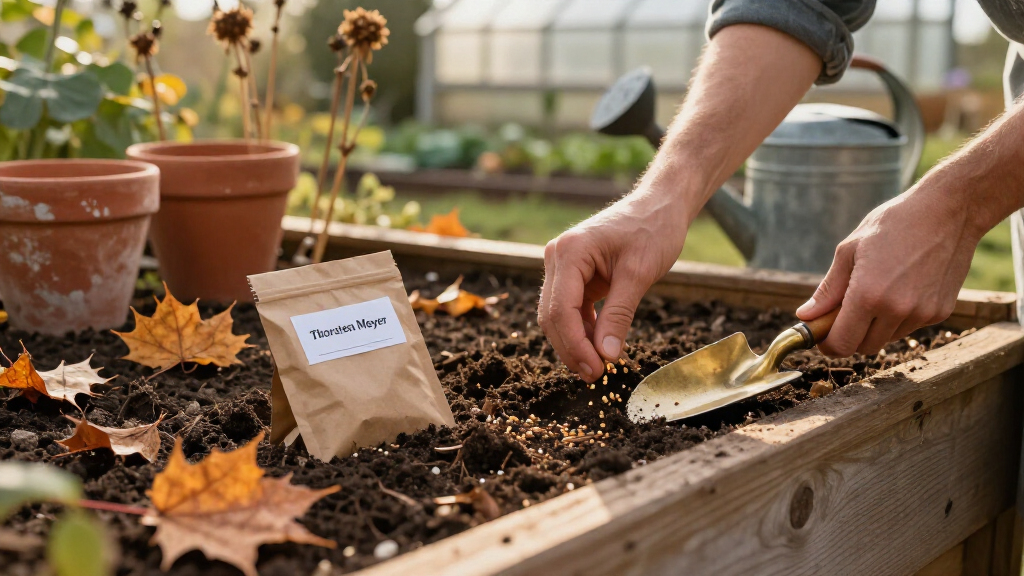

Fall sowing works best with seeds that either germinate in cool soil or overwinter and sprout early the following spring, and not every flower seed fits that window. My top overall pick is the Home Grown 24-Variety Wildflower Seed Mix, because its sheer seed count and species diversity give you the best odds that something establishes before frost no matter your climate. For gardeners who want blooms the same fall, the Swiss Giants Pansy seeds are the standout, since pansies germinate in cool soil and flower well into winter in mild zones. The main tradeoff in this category is volume versus control: bulk wildflower mixes cover ground cheaply but leave bloom timing to chance, while single-species packets cost more per seed and give you predictable results. Keep reading for the full breakdown of all 13 options and which one fits your garden goals.

Get garden gear delivered free — and shop member deals
- Fast, free delivery on millions of items
- Access to Prime Big Deal Days deals on October 6–7
- Prime Video, Amazon Music and more included
Complete the kit


Key Takeaways
- Wildflower mixes dominated the value comparison: the Home Grown 24-variety and Eden Brothers perennial mixes deliver far more seeds per dollar than single-species packets, but bloom timing is less predictable.
- Pansies were the only group reliable enough for same-season fall color, with Swiss Giants offering the best germination reputation and CarpetC199 the best fit for containers and borders.
- Perennial-focused picks like Gardeners Basics and the KVITER coneflower mix reward patience with returns for years, but most won’t flower until the second spring after sowing.
- The Cool Season 10-variety collection and the Marde Ross Fall Blooming Mix were the only options purpose-built for the fall window, which made them easier to recommend for beginners than repurposed spring mixes.
- Regional fit mattered more than seed count: New England Aster thrives in cold-winter zones, while Black Eyed Susan tolerates heat and poor soil better, so no single pick suits every climate.
| Home Grown 24-Variety Wildflower Seed Mix, 90,000+ Seeds, 3 oz |  | Best Overall for Fall Meadow Planting | Seed varieties: 24 | Seed count: 90,000+ | Package weight: 3 oz | VIEW LATEST PRICE | See Our Full Breakdown |
| 1,600 Swiss Giants Pansy Heirloom Flower Seeds, Viola wittrockiana |  | Best for Fall Containers and Edible Blooms | Seed count: 1,600 | Botanical name: Viola wittrockiana | Expected plant height: 8 inches | VIEW LATEST PRICE | See Our Full Breakdown |
| Giant Mixed Perennial Pansy Seeds, 200+ Seeds |  | Best for Big, Fragrant Cool-Weather Blooms | Seed quantity: 200+ | Bloom size: Up to 4 inches across | Flower colors: Purple, yellow, orange, bicolor | VIEW LATEST PRICE | See Our Full Breakdown |
| KVITER Mixed Coneflower Seeds (550 Count) – Heirloom Pollinator Wildflower Mix |  | Best Perennial Pollinator Pick | Seed count: 550 | Varieties: 6 coneflower types | Plant type: 90% perennial, 10% annual | VIEW LATEST PRICE | See Our Full Breakdown |
| 10,000 Black Eyed Susan Heirloom Flower Seeds (Rudbeckia Hirta) for Planting |  | Best Value for Large-Scale Fall Sowing | Seed count: 10,000 | Botanical name: Rudbeckia hirta | Plant type: Tender perennial | VIEW LATEST PRICE | See Our Full Breakdown |
| Gardeners Basics Perennial Flower Seeds, 5 Varieties |  | Best Long-Term Investment | Varieties: Russell lupine, blue columbine, purple coneflower, Black-Eyed Susan, Alaska Shasta daisy | Seed Type: Perennial, heirloom, non-GMO | Packet Count: 5 individually labeled packets | VIEW LATEST PRICE | See Our Full Breakdown |
| 600 New England Aster Heirloom Flower Seeds (Aster Novae-Angliae) |  | Best for Late-Season Pollinators | Seed Count: 600 seeds | Variety: New England Aster (Aster Novae-Angliae) | Plant Type: Perennial flower | VIEW LATEST PRICE | See Our Full Breakdown |
| 36 Edible Fall Flower Seeds Variety Pack – 16,570+ Non-GMO Heirloom Seeds |  | Best Multi-Purpose Pick | Variety Count: 36 edible flower varieties | Seed Count: 16,570+ | Seed Type: Non-GMO heirloom, open-pollinated | VIEW LATEST PRICE | See Our Full Breakdown |
| Cool Season Flower Seeds for Planting – 10 Variety Heirloom Ornamentals Collection |  | Best for Classic Fall Color | Seed Varieties: 10 (alyssum, calendula, forget-me-not, scarlet kale, pansy, phlox, snapdragon, stock, two sweet pea mixes) | Seed Type: Heirloom, non-GMO, open-pollinated, untreated | USDA Hardiness Zone: 3-9 | VIEW LATEST PRICE | See Our Full Breakdown |
| Fall Blooming Mix of Wildflower Seeds – Marde Ross & Company |  | Best Scatter-and-Go Option | Seed Count: Approximately 3,400 seeds | Seed Type: Wildflower mix, GMO-free | Planting Period: Fall to spring | VIEW LATEST PRICE | See Our Full Breakdown |
| CarpetC199 Pansy Seeds Mix for Planting |  | Best for Cold-Snap Color | Plant Type: Cold Hardy Annual | Sunlight Exposure: Full sun to partial shade | Blooming Period: Spring through summer, and fall | VIEW LATEST PRICE | See Our Full Breakdown |
| Wildflower Seeds Bulk Mix – 5000+ Seeds, 15 Varieties Butterfly & Hummingbird Mix |  | Best Value for Large Plantings | Seed Count: 5000+ | Seed Type: Open pollinated, non-GMO heirloom | Variety Count: 15 varieties | VIEW LATEST PRICE | See Our Full Breakdown |
| Eden Brothers All Perennial Wildflower Seed Mix – 1/4 lb |  | Best Long-Term Meadow Investment | Weight: 1/4 lb | Seed Type: Perennial wildflower mix | Species Count: 19 species | VIEW LATEST PRICE | See Our Full Breakdown |
| flower seeds for fall sowing | Seed count |
|---|---|
| Home Grown 24-Variety Wildflow | 90,000+ |
| 1,600 Swiss Giants Pansy Heirl | 1,600 |
| Giant Mixed Perennial Pansy Se | — |
| KVITER Mixed Coneflower Seeds | 550 |
| 10,000 Black Eyed Susan Heirlo | 10,000 |
| Gardeners Basics Perennial Flo | — |
| 600 New England Aster Heirloom | 600 seeds |
| 36 Edible Fall Flower Seeds Va | 16,570+ |
| Cool Season Flower Seeds for P | — |
| Fall Blooming Mix of Wildflowe | Approximately 3,400 seeds |
| CarpetC199 Pansy Seeds Mix for | — |
| Wildflower Seeds Bulk Mix | 5000+ |
| Eden Brothers All Perennial Wi | — |
More Details on Our Top Picks
Home Grown 24-Variety Wildflower Seed Mix, 90,000+ Seeds, 3 oz
When the goal is blanketing a large fall-planted bed or meadow with maximum color diversity, this mix is hard to beat. With 24 varieties and over 90,000 seeds in a single 3 oz package, it covers far more ground than the Black Eyed Susan bulk packet, which gives you quantity but only one flower type. The blend of perennials like purple coneflower and black-eyed Susan suits fall sowing well, since many of these species actually germinate better after a winter chill. The tradeoff is control: compared with single-variety packets like the KVITER coneflower mix, you give up predictability in what comes up where, and results vary with soil and moisture. The included growing guide helps offset that uncertainty for less experienced sowers.
Pros:- Massive 90,000+ seed count covers large areas affordably
- 24 varieties stagger bloom times across the whole season
- Includes pollinator favorites like coneflower and black-eyed Susan
- Comes with a growing guide for sowing success
Cons:- Requires full sun and moderate watering — shade yards will disappoint
- Variety mix means uneven and unpredictable coverage results
Best for: Homeowners converting a large sunny patch, slope, or meadow into a pollinator-friendly wildflower area
Not ideal for: Gardeners who want a controlled, designed border with known plant placement — the mixed varieties will naturalize unpredictably
- Seed varieties:24
- Seed count:90,000+
- Package weight:3 oz
- Sunlight:Full sun
- Expected bloom period:Spring to fall
- USDA hardiness zones:3–10
- Moisture needs:Moderate watering
- Included:Growing guide
Our verdict“This pick makes the most sense for anyone fall-sowing a big, sunny space who values variety and volume over precision.”
1,600 Swiss Giants Pansy Heirloom Flower Seeds, Viola wittrockiana
For fall sowing in window boxes, containers, and borders, Swiss Giants pansies fill a niche the wildflower meadow mixes can’t: instant, tidy cool-season color close to the house. Compared with the Giant Mixed Perennial Pansy packet, this option trades oversized 4-inch blooms for a larger seed count (1,600 versus 200+), which matters when you’re sowing drifts across multiple pots. The fast 7–10 day germination is a real advantage for beginners who want quick feedback, unlike coneflowers that need weeks of cold stratification. The bonus of edible blooms for garnishes and salads is genuinely unique in this lineup. The tradeoff is water: pansies need regular moisture during establishment, and zones outside 5–9 will see weaker results.
Pros:- Fast 7–10 day germination gives quick results
- 1,600 seeds cover many containers and borders
- Edible flowers work as garnishes and salad additions
- Adaptable to containers, borders, and window boxes
Cons:- Requires regular watering during growth
- Limited to USDA zones 5–9 for reliable performance
Best for: Container and window-box gardeners in mild zones who want quick-germinating cool-season color and edible flowers
Not ideal for: Low-water or xeriscape gardeners — pansies need consistent moisture and cooler temperatures to thrive
- Seed count:1,600
- Botanical name:Viola wittrockiana
- Expected plant height:8 inches
- Blooming period:Spring to fall
- Germination time:7–10 days
- USDA hardiness zones:5–9
- Material features:GMO-free, heirloom
Our verdict“This option stands out for fall sowers who want reliable, quick cool-season color in pots — and don’t mind watering for it.”
Giant Mixed Perennial Pansy Seeds, 200+ Seeds
If showstopper flowers are the priority, this packet delivers blooms up to 4 inches across — noticeably larger than the Swiss Giants pansies — in purple, yellow, orange, and bicolor. Its strongest selling point for fall sowing is the bloom window: these pansies flower in cool weather through fall, winter, and spring, stretching color across seasons when most of this roundup, like the coneflower mixes, is fast asleep. The sweet fragrance is another differentiator no other pick here offers. The catch is scale and climate: with only 200+ seeds, it covers a fraction of the ground the 1,600-count Swiss Giants packet does, and the celebrated winter bloom is really a mild-climate, zones 6–9 story. Gardeners in colder regions should treat these as fall and spring performers only.
Pros:- Extra-large 4-inch blooms create strong visual impact
- Fragrant flowers add scent alongside color
- Blooms through fall, winter, and spring in mild climates
- Mixed bicolor palette adds variety to plantings
Cons:- Only 200+ seeds — impractical for large areas
- Winter blooming depends on mild-climate conditions
Best for: Mild-climate gardeners in zones 6–9 who want dramatic, fragrant blooms through winter
Not ideal for: Northern gardeners or anyone filling large beds — the small seed count and mild-climate winter performance limit reach
- Seed quantity:200+
- Bloom size:Up to 4 inches across
- Flower colors:Purple, yellow, orange, bicolor
- Blooming season:Fall, winter, and spring in cool weather
- USDA zones:6–9
- Fragrance:Sweetly scented
Our verdict“This model is better suited to small, focal-point plantings in warm-winter zones than to mass coverage anywhere else.”
KVITER Mixed Coneflower Seeds (550 Count) – Heirloom Pollinator Wildflower Mix
Among the perennial-focused options here, this coneflower blend stands out for its 90% perennial composition — plant once in fall and the patch returns, unlike the mostly annual-flavored Home Grown mix. The six distinct varieties, from Purple Coneflower to Mexican Hat, deliver varied bloom shapes and a long summer-to-fall pollinator runway, pulling in bees, butterflies, and hummingbirds. Its drought, heat, and deer resistance makes it far lower-maintenance than the water-hungry Swiss Giants pansies once established. The honest tradeoff is patience: cold stratification of 4–12 weeks is recommended if starting indoors, and germination stretches across 10–30 days, with bloom results varying by local conditions. Gardeners wanting fast fall color should look at the pansies instead; those building a lasting meadow will find the wait worthwhile.
Pros:- Six coneflower varieties offer diverse colors and bloom shapes
- Highly resilient to drought, heat, poor soil, and deer
- Strong attractor of bees, butterflies, and hummingbirds
- Step-by-step growing guide included
Cons:- Indoor starting requires 4–12 weeks of cold stratification
- Germination rates and bloom times vary widely by conditions
Best for: Pollinator-focused gardeners in zones 3–10 building a low-water, deer-resistant perennial bed
Not ideal for: Impatient or first-time sowers — the cold stratification requirement and slow, variable germination demand commitment
- Seed count:550
- Varieties:6 coneflower types
- Plant type:90% perennial, 10% annual
- USDA hardiness zone:3–10
- Bloom period:Summer to fall
- Germination time:10–30 days
- Features:Heirloom, GMO-free, deer resistant, drought tolerant
Our verdict“Compared with similar options, this mix makes the most sense for gardeners willing to trade slow establishment for years of returning pollinator blooms.”
10,000 Black Eyed Susan Heirloom Flower Seeds (Rudbeckia Hirta) for Planting
On a pure coverage basis, 10,000 seeds of a single proven species is the most efficient deal in this lineup — it out-counts even the 550-seed coneflower mix by a wide margin and suits big borders, slopes, and meadow edges. Black Eyed Susan is also one of the toughest fall-sowing candidates here: it tolerates heat, drought, clay, and rocky soil, and its zones 1–12 range beats everything else in the roundup for adaptability. Unlike the mixed wildflower option, you know exactly what you’re getting — a wave of golden yellow from early summer to late fall, with seed saving easy since it’s open-pollinated. The drawbacks are real, though: surface sowing needs light, which trips up beginners, and spring plantings may want 4 weeks of cold stratification.
Pros:- 10,000 seeds cover very large areas at low cost per square foot
- Tolerates heat, drought, clay, and rocky soils
- Extended bloom from early summer to late fall with deadheading
- Seeds can be saved and replanted in future seasons
Cons:- Surface sowing requires light, complicating germination for novices
- Spring planting may need 4 weeks of cold stratification
Best for: Budget-minded gardeners with large sunny borders or meadows who want a tough, uniform golden bloom
Not ideal for: Beginners wanting foolproof germination — light-dependent surface sowing and optional cold stratification add difficulty
- Seed count:10,000
- Botanical name:Rudbeckia hirta
- Plant type:Tender perennial
- Mature height:24 inches
- Sunlight exposure:Full sun
- USDA hardiness zone:1–12
- Bloom period:Summer to fall
- Moisture needs:Little to no watering
Our verdict“This pick makes the most sense for confident sowers covering big ground cheaply with one bulletproof species.”
Gardeners Basics Perennial Flower Seeds, 5 Varieties
Gardeners Basics Perennial Flower Seeds is the pick for gardeners thinking beyond a single season. While options like the Cool Season Flower Seeds Collection deliver fast spring-to-fall color, these five perennials — lupine, columbine, coneflower, Black-Eyed Susan, and Shasta daisy — come back year after year once established. Fall sowing actually works in your favor here, since exposure to winter cold naturally stratifies seeds like lupine and columbine, which often struggle when spring-planted. The individually labeled packets make planning a mixed border far easier than sowing a bulk blend like the Marde Ross Fall Blooming Mix, where you accept whatever the mix includes. The tradeoff is patience: most perennials won’t bloom until their second year, and each variety has its own germination quirks, so you’re managing five separate planting strategies rather than one.
Pros:- Five classic perennial varieties that return year after year
- Individually labeled packets make planning a mixed border simple
- Fall sowing provides natural cold stratification for lupine and columbine
- Non-GMO heirloom seeds suited to pollinator and cut flower gardens
Cons:- Germination and planting requirements vary significantly by variety
- Most varieties won’t bloom until the second growing season
- Winter survival of young seedlings depends heavily on climate and care
Best for: Patient gardeners establishing a permanent pollinator border or cottage garden who don’t need blooms next spring
Not ideal for: Anyone wanting first-season color — most of these perennials focus on root growth the first year and won’t flower until year two
- Varieties:Russell lupine, blue columbine, purple coneflower, Black-Eyed Susan, Alaska Shasta daisy
- Seed Type:Perennial, heirloom, non-GMO
- Packet Count:5 individually labeled packets
- Packet Contents:1 g lupine, 300 mg columbine, 800 mg coneflower, 500 mg Black-Eyed Susan, 500 mg Shasta daisy
- Best Use:Pollinator gardens, borders, cut flower beds
Our verdict“Buy this if you’re building a permanent perennial bed and can wait a year for the payoff.”
600 New England Aster Heirloom Flower Seeds (Aster Novae-Angliae)
Most fall-sown mixes fade by September, but New England Aster fills the gap when everything else has shut down, blooming from early to late fall exactly when monarchs and late bees need nectar most. Compared with the Gardeners Basics Perennial Collection, which spreads its bloom across spring and summer, this single-variety packet is a specialist tool: it thrives in USDA zones 2-8, tolerates brutal winters, and forms dense colonies that thicken over time. Fall sowing is genuinely ideal here because the seeds need an 8-week cold stratification — winter does that work for free. The honest downside is behavior: this aster spreads by rhizomes and self-seeds readily, so in a small or formal bed it can crowd out neighbors. Give it room in a meadow-style planting and it’s a workhorse; confine it to a tidy border and you’ll be editing it constantly.
Pros:- Blooms early to late fall when nectar sources are scarce
- Cold-hardy across USDA zones 2-8, ideal for harsh-winter regions
- Long stems work well as cut flowers
- Fall sowing provides the required cold stratification naturally
Cons:- Requires 8-week cold stratification if spring-sown
- Spreads aggressively via rhizomes and reseeding
Best for: Wildlife gardeners and meadow-style planters who want reliable purple blooms when most flowers have finished
Not ideal for: Small or formal garden beds — its aggressive rhizome spread will require constant control
- Seed Count:600 seeds
- Variety:New England Aster (Aster Novae-Angliae)
- Plant Type:Perennial flower
- USDA Hardiness Zones:2-8
- Bloom Season:Early to late fall
- Germination Requirement:8-week cold stratification
- Sun Exposure:Full sun or part sun
- Plant Spacing:18-24 inches
Our verdict“Choose this if your priority is feeding pollinators in autumn and you have space for a plant that expands its territory.”
36 Edible Fall Flower Seeds Variety Pack – 16,570+ Non-GMO Heirloom Seeds
PLANTMEW’s 36-variety edible flower pack is the only option in this lineup that feeds you as well as the bees. With nasturtium, calendula, borage, chamomile, and lavender among the 16,570+ seeds, it doubles as a kitchen garden and a pollinator garden — something the Cool Season Ornamentals Collection can’t claim despite overlapping on calendula. The resealable, moisture-proof packets and included sowing-to-harvest instructions make this one of the more forgiving options for beginners, and many of these varieties genuinely suit fall sowing in mild zones. The tradeoff is breadth over focus: with 36 varieties, germination requirements range widely, and warm-season types like basil-flower companions or lavender are notoriously slow and fussy from seed. Compared with the single-variety New England Aster packet, you get far less predictability per seed — you’re trading reliability for range.
Pros:- 36 heirloom, open-pollinated edible varieties in one purchase
- Massive seed count of 16,570+ allows generous sowing and retries
- Resealable moisture-proof packets with sowing-to-harvest instructions
- Grows indoors, outdoors, in pots, or hydroponic setups
Cons:- Germination requirements vary widely across 36 varieties, some quite fussy
- Warm-season varieties dilute the fall-sowing relevance of the pack
Best for: Culinary gardeners and beginners who want edible blooms for salads, teas, and garnishes alongside ornamental color
Not ideal for: Gardeners who want a focused fall display — many of the 36 varieties have little to do with autumn sowing
- Variety Count:36 edible flower varieties
- Seed Count:16,570+
- Seed Type:Non-GMO heirloom, open-pollinated
- Includes:Nasturtium, lavender, borage, calendula, chamomile, and more
- Indoor/Outdoor Usage:Indoor and outdoor, including pots and hydroponics
- Sunlight:Full sun
- Special Features:Pet friendly, pollinator-friendly, resealable packets with growing guide
Our verdict“Pick this if you see flowers as food first and are happy to experiment across dozens of varieties.”
Cool Season Flower Seeds for Planting – 10 Variety Heirloom Ornamentals Collection
If your mental image of autumn involves pansies, snapdragons, and sweet peas brightening containers while summer flowers fade, this 10-variety collection is built precisely for that job. Unlike the Gardeners Basics Perennial Collection, which invests in year-two blooms, these cool-season ornamentals — alyssum, calendula, stock, forget-me-not, ornamental kale, phlox, and more — germinate in cold soil and shrug off light frost, making them the strongest fit in this batch for direct fall sowing aimed at visible results. I’d rank it above the PLANTMEW edible pack for pure ornamental value: every variety here earns its place visually, many are fragrant, and each packet carries variety-specific planting instructions plus seed-saving guidance. The limitation is seasonality itself — these plants collapse in summer heat, so warm-climate gardeners get a short window, and the collection demands full sun, ruling out shaded yards.
Pros:- 10 diverse varieties chosen specifically to thrive in cold soil and light frost
- Heirloom, untreated, open-pollinated seeds with seed-saving instructions
- Layered heights and textures suit beds, borders, and containers
- Variety-specific planting guides printed on every packet
Cons:- Cool-season focus means poor performance through summer heat
- Full-sun requirement limits use in shaded gardens
Best for: Gardeners in zones 3-9 who want frost-tolerant blooms for fall and early-spring containers, borders, and beds
Not ideal for: Hot-climate gardeners or shaded properties — these varieties struggle in summer heat and need full sun
- Seed Varieties:10 (alyssum, calendula, forget-me-not, scarlet kale, pansy, phlox, snapdragon, stock, two sweet pea mixes)
- Seed Type:Heirloom, non-GMO, open-pollinated, untreated
- USDA Hardiness Zone:3-9
- Sunlight:Full sun
- Blooming Period:Spring to fall (cool seasons)
- Expected Height:Up to 18 inches
- Soil:Loam, moderate watering
Our verdict“This is the pick for classic cold-weather color — skip it if your garden runs hot or shady.”
Fall Blooming Mix of Wildflower Seeds – Marde Ross & Company
For covering a bare patch of ground with minimal effort, Marde Ross & Company’s Fall Blooming Mix is the simplest path in this lineup: sow directly on bare soil in fall, let winter work on the seeds, and wait for color. Coming from a licensed California nursery operating since 1985, it carries a level of horticultural credibility that general-market bulk blends like the Home Grown 24-Variety Mix don’t necessarily match. With roughly 3,400 seeds tolerating all soil types and winter hardiness down to zone 3, it’s a genuine low-maintenance meadow starter. The tradeoffs are structural: you don’t know exactly what you’re getting or where each plant will land, unlike the labeled Gardeners Basics perennial packets, and the mix demands full sun plus moderate watering during establishment. It’s coverage and ease over control and design — fine for a meadow, frustrating for a planned border.
Pros:- Direct fall sowing on bare soil — no indoor starting or stratification prep
- Non-GMO mix from a licensed California nursery since 1985
- Adaptable to all soil types and hardy to zone 3
- Generous 3,400-seed count covers a meaningful area
Cons:- No variety list or labeling — results are unpredictable in composition
- Requires full sun and moderate watering during establishment
Best for: Cottage or meadow gardeners wanting to blanket a sunny bare area with one fall sowing and no fuss
Not ideal for: Design-oriented gardeners who want control over placement, bloom sequence, and exact varieties
- Seed Count:Approximately 3,400 seeds
- Seed Type:Wildflower mix, GMO-free
- Planting Period:Fall to spring
- USDA Hardiness:Zone 3 and warmer
- Sunlight:Full sun
- Soil Type:All types
- Expected Height:Up to 3 feet
- Brand:Marde Ross & Company, licensed California nursery since 1985
Our verdict“Grab this for effortless large-area coverage; look elsewhere if you curate every plant.”
CarpetC199 Pansy Seeds Mix for Planting
Most fall-sown flowers wait until spring to show anything, but pansies are built for the shoulder seasons. This mix stands out for blooming through light frosts, which means color when the rest of the garden has shut down — exactly what a fall sowing is supposed to deliver. Compared with single-variety options like the Swiss Giants Pansy Seeds, this mix trades uniformity for a broader palette of faced blooms, a fair swap if you’re filling beds and containers rather than designing a formal border. The tradeoff is temperament: pansies sulk in summer heat, so this pick makes the most sense for gardeners who prioritize spring and fall display over July performance. Expect to deadhead regularly to keep blooms coming, and give them rich, moist soil — they’re low maintenance, not no maintenance.
Pros:- Blooms through light frosts when nearly everything else is dormant
- Large, showy faced blooms in a wide mix of colors and patterns
- Fast-developing and beginner-friendly with minimal care requirements
- Deer resistant and pollinator-friendly
Cons:- Requires regular deadheading to sustain continuous blooming
- Performs poorly in hot summer weather
- Needs rich, consistently moist soil rather than tolerating neglect
Best for: Gardeners in zones 3-8 who want early and late-season color in containers, borders, and beds without much fuss
Not ideal for: Gardeners in hot-summer climates or anyone wanting continuous summer bloom — pansies go dormant when temperatures climb
- Plant Type:Cold Hardy Annual
- Sunlight Exposure:Full sun to partial shade
- Blooming Period:Spring through summer, and fall
- Planting Period:Spring/Fall
- USDA Hardiness Zone:3
- Special Features:Cold hardy, deer resistant, pollinator-attracting, GMO free
- Indoor/Outdoor Usage:Indoor, Outdoor
Our verdict“Choose this if your goal is frost-defying color in fall and early spring; skip it if you want a meadow-style planting that thrives unattended.”
Wildflower Seeds Bulk Mix – 5000+ Seeds, 15 Varieties Butterfly & Hummingbird Mix
When coverage per dollar is the question, this 5000+ seed mix is the answer. Unlike the pansy mix above, which suits tidy borders and pots, this blend is designed for scale — meadows, slopes, and mass plantings where a few hundred seeds simply won’t stretch. The 15-variety lineup mixes annuals like zinnia and cosmos for first-year color with perennials like echinacea and Shasta daisy for longevity, something the Home Grown 24-Variety Mix also attempts but at a different scale and price class. The catch is technique: seeds need light to germinate, so they must be surface-sown no deeper than 1/8 inch, and the 20-30 day germination window demands consistent watering — less forgiving for beginners than plug-style flowers. It also requires 6+ hours of sun, ruling out shade gardens entirely.
Pros:- 5000+ seeds across 15 varieties for maximum coverage per purchase
- Annuals deliver first-year color while perennials return in later seasons
- Nectar-rich blend specifically formulated for bees, butterflies, and hummingbirds
- Drought, heat, and poor-soil tolerant once established
Cons:- Requires full sun (6+ hours) and well-drained soil
- Surface-sowing and light-dependent germination can frustrate beginners
- 20-30 day germination with consistent watering needed during establishment
Best for: Budget-minded gardeners covering large sunny areas — meadows, slopes, or wide borders — who want season-long pollinator activity
Not ideal for: Shady yards or first-time seed starters unwilling to manage shallow sowing and a month of careful watering
- Seed Count:5000+
- Seed Type:Open pollinated, non-GMO heirloom
- Variety Count:15 varieties
- Mix Type:Annuals and perennials
- Sun Exposure:Full sun (6+ hours)
- Germination Time:20-30 days
- Planting Depth:No deeper than 1/8 inch
- Best Use:Meadows, borders, slopes, containers, pollinator gardens
Our verdict“The pick for big sunny spaces on a budget — just be prepared for patient, careful establishment in the first month.”
Eden Brothers All Perennial Wildflower Seed Mix – 1/4 lb
This is the patient gardener’s pick. Where the 15-variety mix above leans on annuals for instant gratification, Eden Brothers goes 100% perennial with 19 species and zero fillers — every seed in the bag is a flower, which is rarer than it should be in bulk wildflower mixes. A quarter pound covers up to 1,000 square feet, making it a serious tool for establishing a permanent meadow from a fall sowing, when perennials root best before winter. The honest tradeoff: many perennials won’t bloom until year two, so your first season may look sparse compared with an annual-heavy mix. Compared with the Marde Ross Fall Blooming Mix, this option sacrifices first-year flowers for a planting that thickens and returns annually across zones 3-10. Full sun is non-negotiable, and animal resistance varies by species despite the general claim.
Pros:- 100% pure seed with no fillers — every ounce plants flowers
- 19 perennial species that return and multiply year after year
- Wide adaptability across USDA zones 3-10
- Covers up to 1,000 square feet from a single quarter-pound bag
Cons:- Perennials often skip blooming until the second year
- Requires full sun exposure with no shade tolerance
- Higher upfront commitment before visible results
Best for: Gardeners establishing a permanent pollinator meadow or large perennial bed who can wait a season for full payoff
Not ideal for: Anyone wanting color next spring, or gardeners with partially shaded plots — this mix demands full sun
- Weight:1/4 lb
- Seed Type:Perennial wildflower mix
- Species Count:19 species
- Coverage:Up to 1,000 square feet
- USDA Hardiness Zones:3-10
- Sun Exposure:Full sun
- GMO Status:Non-GMO, 100% pure, no fillers
- Bloom Season:Summer through fall
Our verdict“The right choice if you’re planting a meadow for the next decade rather than the next season — plan on a quiet first year in exchange for permanent returns.”
How We Picked
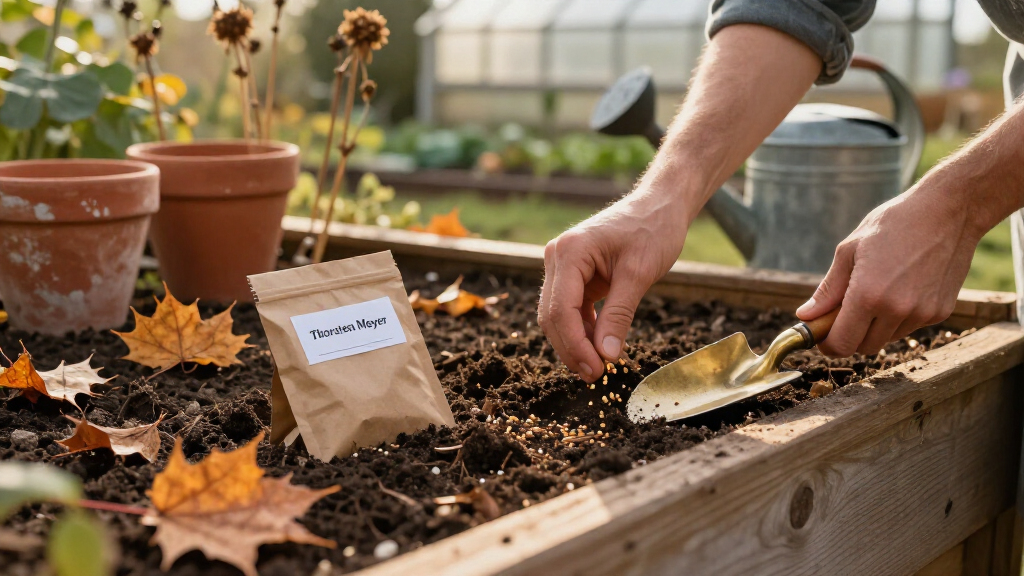
I evaluated each option through one lens: how well it performs when sown in autumn, not spring. That meant prioritizing species that germinate in cool soil, tolerate frost as seedlings, or require cold stratification — the natural winter chilling that actually improves spring germination for many perennials. I also weighed seed count relative to intended coverage, whether a mix was curated for fall conditions or simply repackaged for year-round marketing, and the practical realism of germination claims on the packet.
The ranking favors reliability over ambition. Bulk mixes ranked highly when their species list genuinely suited fall sowing, while large-count options stuffed with warm-season annuals were marked down because most of those seeds would rot or fail in cold soil. Single-species heirlooms earned their positions based on cold hardiness and predictability, which is why the pansies and coneflowers placed above flashier but less frost-adapted varieties.
Factors to Consider When Choosing Best Flower Seeds For Fall Sowing
Choosing fall-sown flower seeds involves more than picking pretty blooms. The wrong seed wasted on a fall sowing costs you not just money but an entire growing season, so a few upfront decisions matter far more than packet size.Know Your First Frost Date Before You Sow
The single most common fall-sowing mistake is sowing too late. Seeds need roughly four to eight weeks of soil warmth to germinate and establish roots before hard frost, so count backward from your average first frost date and treat that as your deadline. If you miss the window, shift your strategy: instead of expecting fall germination, sow seeds that benefit from cold stratification and let them sit dormant until spring. Many perennials — coneflowers, asters, and rudbeckia among them — actually germinate better after a winter outdoors than they do from a spring packet. Gardeners in zones 3 through 5 should treat fall sowing almost entirely as dormant seeding, while zones 7 and warmer can genuinely chase fall and winter blooms.
Annuals, Perennials, and the Patience Tradeoff
Fall sowing splits into two very different goals, and confusing them is the second most common mistake. If you want color this season, you need cold-tolerant annuals like pansies and violas, which germinate in soil as cool as 45°F and shrug off light frost. If you want a permanent flower bed, perennial mixes sown in fall will spend their first months building roots and typically won’t bloom until the second year. The patience tradeoff is real: perennial seed is usually more expensive per plant and slower to satisfy, but it comes back every year without reseeding. Buyers who understand which goal they’re pursuing almost always end up happier with their purchase, because a mix that disappoints one gardener may be exactly right for another.
Seed Count Can Be Misleading
A packet promising 90,000 seeds sounds like better value than one promising 200, until you account for germination rates and viability. Tiny wildflower seeds often carry germination rates of 50 to 70 percent, and fall sowings lose additional seeds to rot, birds, and frost heave. Realistic sowing density for most wildflowers is around one ounce per 250 square feet, so calculate coverage against your actual bed size rather than being swayed by big numbers. Also check whether the count includes inert matter or coating — some bulk mixes bulk up their weight with fillers. A smaller, honest packet from a reputable supplier often establishes more plants than a giant bargain mix.
Regional Fit Beats Generic Mixes
Nationally marketed wildflower mixes often include species that only thrive in specific regions, which means a portion of your purchase is essentially dead weight. Before buying, scan the species list and ask whether each flower matches your zone, rainfall, and soil type. New England Aster, for example, loves cold winters and moist soil, while Black Eyed Susan handles heat, drought, and poor soil with ease. Southeastern and Southwestern gardeners should be especially wary of mixes heavy in cool-climate perennials. When a mix lists species by name rather than hiding behind a vague “wildflower blend,” that transparency is usually a sign the supplier expects the mix to actually perform.
Non-GMO, Heirloom, and Open-Pollinated Labels
These labels get used loosely in marketing, so it helps to know what actually matters for a fall sowing. Open-pollinated and heirloom seeds produce plants that come true from seed, which matters if you plan to save seed or let flowers self-sow — a real advantage with perennials established in fall. Non-GMO claims are nearly universal in flower seed and rarely differentiate one product from another, so don’t pay a premium for that label alone. What is worth paying attention to is whether the supplier dates their seed lots, since flower seed viability drops noticeably after one to two years for some species. Fresh seed sown at the right time outperforms premium-branded stale seed every time.
Matching the Purchase to Your Garden Style
A meadow-style bulk mix and a tidy cottage border demand completely different purchases. Wildflower mixes suit large, informal spaces where you’re converting lawn or filling a slope, and their randomness is a feature rather than a flaw. Single-species packets suit gardeners who design deliberately — pansies along a walkway, asters behind a fence line — because you control height, color, and bloom time. Container gardeners should almost always buy single species or small curated collections, since most bulk mixes include tall, leggy varieties that flop in pots. Deciding on your garden style first narrows the field faster than any other single decision in this category.
Frequently Asked Questions
Can I really sow flower seeds in fall, or will they just die over winter?
Many flower seeds don’t just survive winter — they require it. Cold stratification breaks dormancy in perennials like coneflowers, asters, and rudbeckia, meaning a fall sowing often outperforms a spring one. The seeds that genuinely die over winter are warm-season annuals like zinnias and marigolds, which rot in cold, wet soil. The trick is matching the species to the season: frost-tolerant annuals for same-year blooms, hardy perennials for spring emergence. As long as your seed choice fits the fall window, winter works for you rather than against you.
Should I buy a wildflower mix or individual species packets for fall?
It depends on what you’re trading away. Mixes give you coverage and insurance — with a dozen or more species, some will suit your soil no matter what — but you lose control over height, color placement, and bloom timing. Individual packets cost more per plant but let you design deliberately and replant the same variety where it performed well. For a first-year gardener or a large meadow conversion, a mix is almost always the smarter buy. For a curated border or containers, singles win because mixes tend to include aggressive spreaders that crowd out choicer plants.
When exactly should I sow in fall — September or November?
There are two legitimate fall windows, and they serve different purposes. Early fall, about eight weeks before your first frost, suits cool-season annuals like pansies that you want to bloom before winter. Late fall, after soil temperatures drop below 50°F but before the ground freezes, is the right time for dormant sowing perennials — the seeds stay asleep until spring. Sowing perennials too early in fall can trick them into germinating right before a killing frost, which kills tender seedlings. Match the sowing date to the seed type and you avoid the most disheartening failure mode in fall gardening.
Do I need to prepare the soil differently for fall sowing?
Fall sowings face a specific hazard that spring sowings don’t: frost heave and winter rain. Loose, fluffy soil that works fine in spring can push tiny seedlings out of the ground over winter, so firm the soil lightly after sowing. Excellent drainage matters more in fall because seeds sitting in saturated cold soil rot rather than sprout. Avoid heavily amending with fresh compost, which stays wet and cold. A rake-scuffed, weed-free surface with good contact between seed and soil is the goal — simpler preparation, but less forgiving of waterlogged spots.
Is it worth paying more for a perennial mix versus an annual one?
Perennials cost more upfront and bloom later, but over three years the math usually flips in their favor. A perennial mix sown this fall expenses itself once and returns each spring, while annuals need repurchasing and resowing every year. The catch is the wait: most fall-sown perennials spend year one as foliage and won’t flower until year two, which tests patience. A middle path works well for many gardeners — perennials as the backbone, with a cheap cool-season annual like pansies filling the visual gap in year one. That combination delivers immediate color and long-term value.
Conclusion
After comparing all 13 options, the right choice comes down to what kind of fall garden you’re building. For best overall, the Home Grown 24-Variety Wildflower Seed Mix offers unmatched odds of establishment across climates and soil types, making it the safest bet for the largest number of gardeners. For best value, the Wildflower Seeds Bulk Mix with 15 butterfly and hummingbird varieties delivers serious coverage for pollinator-minded buyers on a budget. For a premium pick, the Eden Brothers All Perennial Wildflower Seed Mix costs more per seed but builds a returning, low-maintenance meadow that pays off for years.
For beginners, the Cool Season 10-Variety Collection takes the guesswork out of fall sowing because every variety in it was chosen for exactly this window. Gardeners with a specific need for same-season color should go straight to the Swiss Giants Pansy seeds — nothing else in this lineup reliably blooms in fall — while container and border gardeners get better results from the compact CarpetC199 Pansy Mix than from any bulk blend. Whatever you choose, sow before your first frost date, match the species to your zone, and fall will do half the planting work for you.
Fall yard work Picks
leaf blowers
As an affiliate, we earn on qualifying purchases.