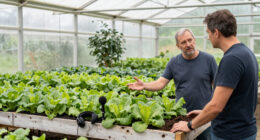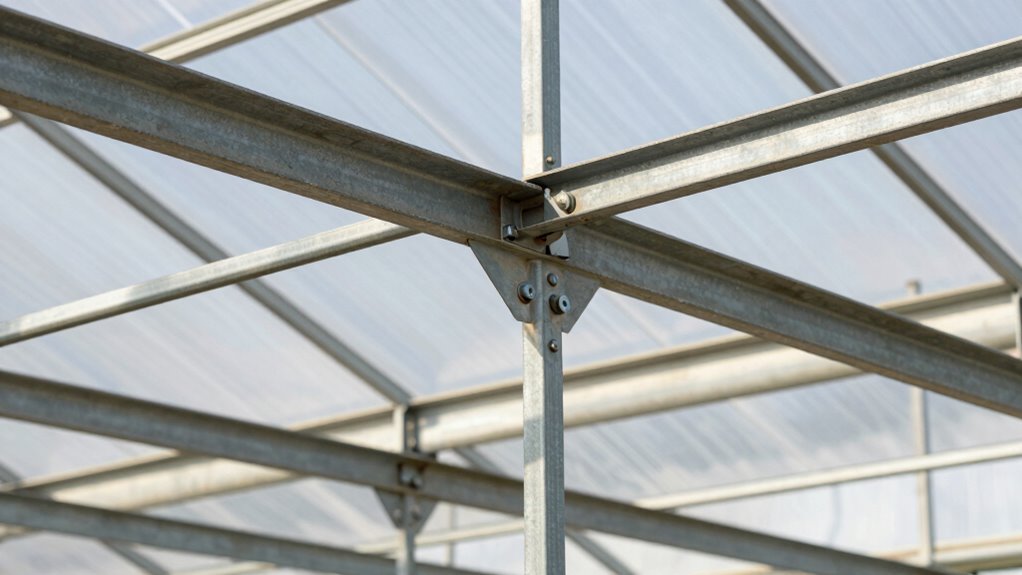

When building a greenhouse, you should focus on durable, weather-resistant materials like galvanized steel, treated wood, or recycled aluminum. Proper anchoring, reinforced joints, and cross-bracing are key for stability during storms. A solid, level foundation and well-designed support systems prevent damage and guarantee longevity. Weatherproof coatings and corrosion resistance protect against environmental elements. If you want to make certain your greenhouse withstands harsh conditions and lasts, there’s more to take into account beyond appearance.

Get garden gear delivered free with Prime
- Fast, free delivery on millions of items
- Prime Video, Amazon Music and more included
- Member-only deals all year
Key Takeaways
- Structural stability and proper anchoring ensure the greenhouse withstands external forces like wind and storms.
- Using durable, weather-resistant materials extends the lifespan of the frame and reduces maintenance needs.
- Reinforced joints and cross-bracing maintain shape integrity during high winds and adverse weather conditions.
- A solid, level foundation prevents stress points, cracks, and structural failure over time.
- Selecting eco-friendly, corrosion-resistant materials enhances long-term durability and environmental responsibility.
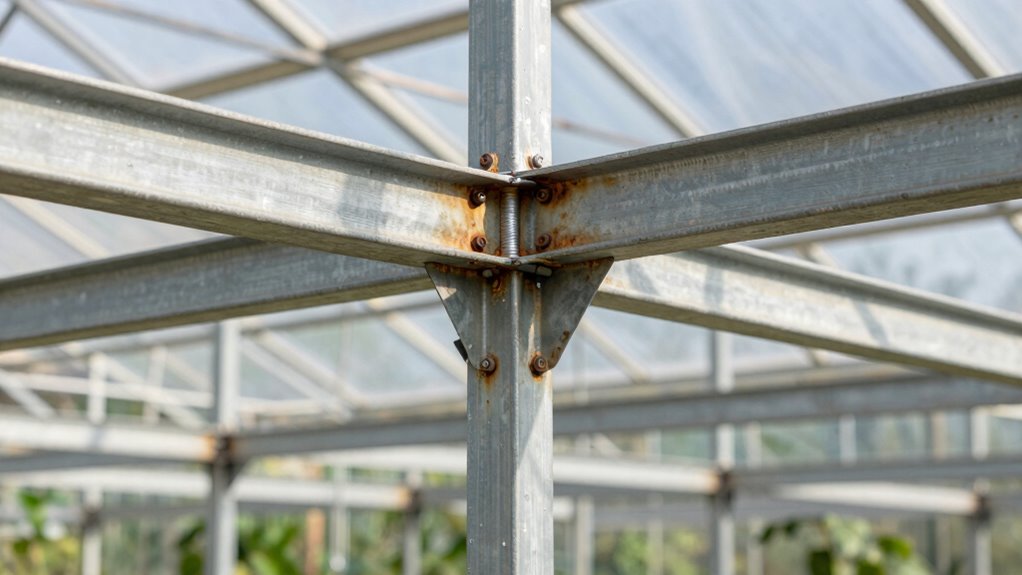
Have you ever wondered what makes a greenhouse sturdy and long-lasting? The answer lies in the details of its frame, especially the materials used and how well it maintains structural stability. While the look of a greenhouse might catch your eye, it’s the underlying construction that determines whether it endures harsh weather and supports healthy plant growth over time. Choosing sustainable materials is essential, not just for eco-friendliness but also for durability. Materials like galvanized steel, treated wood, or recycled aluminum provide strength without sacrificing sustainability. These options resist rust and decay, ensuring the frame remains solid year after year. When you prioritize sustainable materials, you’re investing in a structure that’s both environmentally responsible and capable of withstanding the test of time. Additionally, understanding structural stability can help you design a more resilient greenhouse that withstands external forces effectively. Structural stability is another critical aspect. If a greenhouse isn’t stable, it won’t protect your plants effectively or stand up to wind, snow, or heavy rain. You want a frame that’s properly anchored and designed to handle external forces. Reinforced joints, sturdy cross braces, and well-placed supports make a significant difference. For example, cross-bracing prevents sway and wobbling, ensuring the structure retains its shape even during storms. Properly designed support systems can further enhance the overall resilience of your greenhouse. You should also pay close attention to the foundation. A solid, level base anchors the entire frame, providing a stable platform that resists shifting over time. Without this, the greenhouse could develop uneven stress points, leading to cracks or failure. Proper foundation materials and construction techniques can enhance overall stability and longevity. Understanding structural design principles can help you optimize the frame for both strength and efficiency. Thinking about the frame’s design, you’ll want to guarantee it’s engineered with both strength and efficiency in mind. Properly spaced support beams distribute weight evenly, reducing stress on any one point. The materials you select should complement this design, adding resilience without excessive weight that could strain the foundation. Additionally, weatherproofing features like protective coatings or corrosion-resistant finishes can extend the life of your frame, especially in humid or salty environments. Incorporating corrosion-resistant finishes is a smart way to enhance durability in challenging climates. In essence, the frame’s details—ranging from sustainable materials to structural design—are what truly matter. Looks might be appealing initially, but it’s the quality of these details that guarantees your greenhouse will stand strong for years. By focusing on these aspects, you create a durable, stable environment that supports plant health and minimizes maintenance costs. Your investment in robust, eco-friendly framing pays off in the long run, ensuring your greenhouse remains a reliable haven for growth and productivity.
galvanized steel greenhouse frame
As an affiliate, we earn on qualifying purchases.
As an affiliate, we earn on qualifying purchases.
Frequently Asked Questions
What Materials Are Most Durable for Greenhouse Frames?
You should choose materials like aluminum or galvanized steel for durable greenhouse frames. These materials resist corrosion better, guaranteeing longevity even in humid or rainy conditions. Aluminum is lightweight and requires minimal maintenance, while galvanized steel offers strength and corrosion resistance. When selecting frame color options, go for neutral or darker tones, as they can help reduce heat absorption. Investing in these durable materials ensures your greenhouse stays sturdy and vibrant for years.
How Do Frame Choices Affect Greenhouse Insulation?
Your frame choice directly impacts climate control and light diffusion in your greenhouse. A sturdy, well-insulated frame helps maintain consistent temperatures, reducing energy costs, while materials like aluminum or insulated options improve overall climate stability. Additionally, the frame’s design influences how light diffuses inside, affecting plant growth. Choosing a frame that balances durability with light management ensures better insulation and ideal conditions for your plants.
Are There Weight Restrictions for Different Frame Materials?
Yes, weight restrictions vary by frame material, impacting your design choices. For example, aluminum frames are lightweight and support larger spans without bending, while steel frames are heavier but offer greater strength. If you want frame aesthetics or decorative enhancements, consider lighter materials like aluminum, which allow for more intricate designs without sacrificing durability. Always check manufacturer specifications to guarantee your chosen frame can handle the intended load safely.
How Do Frame Designs Impact Greenhouse Stability in Storms?
Think of your greenhouse frame as the backbone of stability against stormy weather. A well-designed frame evenly distributes wind load, making it more storm resistant. Strong, aerodynamic designs reduce the risk of damage, while reinforced joints and sturdy materials help it withstand high winds. Properly engineered frame shapes and bracing guarantee your greenhouse stays upright, even when storms threaten, turning it into a fortress against nature’s fiercest gusts.
What Maintenance Is Required for Various Greenhouse Frame Types?
You should regularly inspect your greenhouse frame for rust, corrosion, or any structural damage, especially in metal frames, and tighten loose bolts. For all types, keep ventilation systems clean and functional to prevent mold and pests. Pest control measures like screens and traps should be maintained to deter pests effectively. Regular maintenance guarantees your greenhouse stays sturdy, promotes healthy plant growth, and minimizes costly repairs long-term.
Conclusion
Remember, choosing the right greenhouse frame isn’t about making it look perfect—it’s about ensuring it stands strong through storms and seasons. Think of it like building a ship: a sleek hull might catch eyes, but a sturdy frame keeps you afloat. I once saw a greenhouse with a beautiful design, only to see it buckle in heavy rain. Prioritize durability over style, and your greenhouse will serve you well, season after season.
Halloween Picks
halloween
As an affiliate, we earn on qualifying purchases.