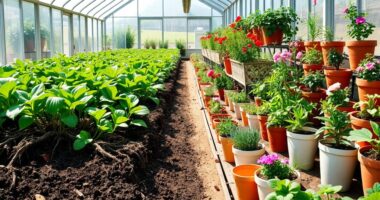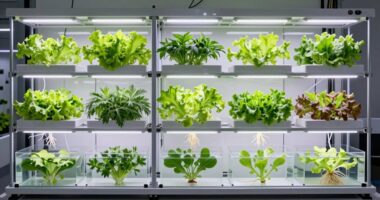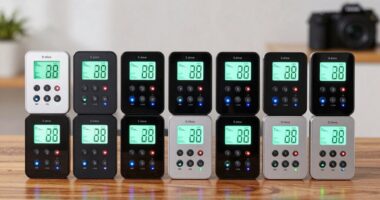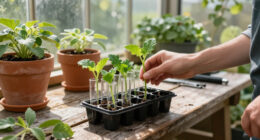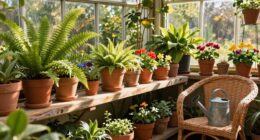
Understanding key greenhouse terms helps you manage your environment better. You’ll learn about essential components like ventilation systems, which circulate air and regulate temperature and humidity. Other important terms include exhaust fans, intake vents, louvers, and climate control tools like heaters or shade cloths. Mastering these concepts allows you to optimize growth conditions for your plants. Keep exploring these terms to gain a solid foundation for creating the perfect growing environment inside your greenhouse.

Get garden gear delivered free with Prime
- Fast, free delivery on millions of items
- Prime Video, Amazon Music and more included
- Member-only deals all year
Key Takeaways
- Ventilation: Systems like exhaust fans, intake vents, and louvers that circulate air to control temperature and humidity.
- Climate Control: Overall management of temperature, humidity, light, and airflow to optimize plant growth conditions.
- Exhaust Fans: Mechanical fans that expel hot, stale air to prevent overheating and excess humidity.
- Intake Vents: Openings that allow fresh air to enter the greenhouse, aiding in air exchange and temperature regulation.
- Dehumidifiers: Devices that reduce excess moisture, preventing fungal diseases and maintaining ideal humidity levels.

If you’re new to greenhouse gardening, understanding the common terms can feel overwhelming. One of the most critical concepts to grasp is climate control, which refers to managing the internal environment of your greenhouse to promote healthy plant growth. Climate control involves regulating temperature, humidity, light, and airflow, ensuring your plants thrive regardless of outside weather conditions. To achieve this, ventilation systems play a crucial role. Ventilation systems help circulate air, prevent overheating, and reduce humidity levels that could lead to mold or disease. They include exhaust fans, intake vents, and adjustable louvers that you can operate manually or automatically. Proper ventilation ensures fresh air reaches your plants while excess heat and moisture are expelled, creating a conducive growing environment.
Effective greenhouse climate control relies on ventilation systems to regulate temperature and humidity.
Understanding how climate control works will help you make informed decisions about the equipment needed for your greenhouse. For instance, during hot days, you’ll want to activate exhaust fans or open vents to lower the temperature and remove stale air. Conversely, in cooler weather, you might close vents or activate supplemental heating to keep temperatures steady. Many modern greenhouses incorporate automated systems that monitor climate variables and adjust ventilation accordingly, making it easier for you to maintain consistent conditions without constant manual intervention. Recognizing the importance of ventilation systems helps prevent common issues like heat stress, fungal diseases, or stunted plant growth caused by poor air circulation. Additionally, climate control can include the use of shading and misting devices to fine-tune environmental conditions further.
In addition to ventilation, climate control may involve heating systems, shade cloths, misting devices, and dehumidifiers. All these elements work together to create an environment tailored to your specific crops. For example, if you’re growing tropical plants, maintaining high humidity and stable warmth is essential, so you’ll need to understand how to operate humidifiers alongside your ventilation system. Conversely, if you’re cultivating vegetables in summer, effective ventilation becomes your primary tool for cooling and air exchange.
Getting comfortable with these terms also means understanding how they interconnect. Good climate control relies heavily on your ventilation systems, which serve as the backbone of your greenhouse’s environmental management. They give you the ability to respond quickly to changing weather conditions, preventing extreme fluctuations that could harm your plants. Over time, as you become more familiar with these concepts, you’ll see how proper climate control and efficient ventilation systems are fundamental to productive, healthy gardening inside your greenhouse.
As an affiliate, we earn on qualifying purchases.
Frequently Asked Questions
How Do I Choose the Right Greenhouse Size for My Needs?
You should choose a greenhouse size based on your garden’s space and your plant goals. Consider your greenhouse design and how much space each plant needs. Think about space planning to make certain you have enough room for growth, tools, and future expansion. Smaller greenhouses work for hobbyists, while larger ones suit serious gardeners or commercial growers. Measure your available area and plan layout before selecting a size that matches your needs.
What Are the Best Materials for Greenhouse Construction?
They say “you get what you pay for,” and that’s true for greenhouse materials. Opt for sturdy, UV-resistant polycarbonate or glass for durability and clarity. Consider ventilation options like roof vents or side windows to keep air circulating, and insulate with bubble wrap or foam panels when needed. These choices guarantee your greenhouse stays warm in winter and cool in summer, helping your plants thrive year-round.
How Can I Prevent Pests in My Greenhouse?
To prevent pests in your greenhouse, start with pest identification to catch issues early. Keep your space clean, remove debris, and regularly inspect plants. Use natural pest control methods like introducing beneficial insects or homemade sprays with neem oil or garlic. guarantee proper ventilation to reduce humidity, which pests love. By staying vigilant and practicing these strategies, you can effectively keep pests at bay and maintain healthy, thriving plants.
What Seasonal Adjustments Are Necessary for Greenhouse Climates?
You should adjust your greenhouse climate control based on seasonal temperature changes. In winter, increase heating and insulate to maintain warmth, while in summer, enhance ventilation and shading to prevent overheating. Regularly monitor temperature and humidity levels, and tweak your climate control systems accordingly. These seasonal adjustments keep your plants healthy and thriving, ensuring ideal growing conditions regardless of outside weather fluctuations.
How Do I Automate Watering and Ventilation Systems?
Did you know that automating watering and ventilation can save you up to 30% on energy costs? To do this, you should install automated timers linked to your irrigation and ventilation systems. Pair these with climate sensors that monitor temperature, humidity, and soil moisture. This setup guarantees your greenhouse stays ideal without constant manual adjustments, allowing you to focus on your plants while maintaining a consistent, healthy environment.
Conclusion
Now that you know the key greenhouse terms, you’re ready to grow with confidence, to plan with purpose, and to troubleshoot with clarity. Understanding these terms empowers you to make informed decisions, to care for your plants better, and to create a thriving greenhouse environment. Embrace these words, apply these concepts, and watch your gardening skills flourish. Because when you know the language of greenhouses, you reveal the potential of every seed, every sprout, and every harvest.
Columbus Day / Indigenous Peoples' Day Picks
long weekend sales
As an affiliate, we earn on qualifying purchases.