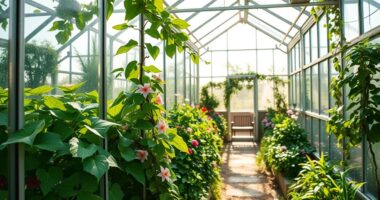
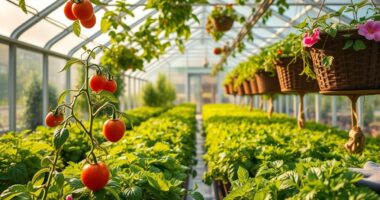
Before starting your greenhouse project, do a “reality check” by evaluating your available space, local climate, sunlight, and wind exposure to avoid costly mistakes. Define your goals, whether growing vegetables, flowers, or exotic plants, and choose a size and design that fits your needs now and in the future. Budget for long-term costs and maintenance, and develop a solid plan. Keep these considerations in mind, and you’ll have a more successful setup—learn how to get it right.
Key Takeaways
- Assess available space and future needs to prevent overexpansion and ensure your greenhouse supports long-term gardening goals.
- Plan for environmental challenges like temperature swings, wind, and weather to avoid costly system failures.
- Choose durable, cost-effective materials and design features that minimize maintenance and upgrade expenses over time.
- Incorporate pest prevention, proper sanitation, and airflow management to reduce plant losses and costly disease treatments.
- Budget comprehensively for construction, operation, and future expansion to avoid financial surprises and ensure sustainable success.
Why Is Assessing Your Space and Climate Important Before Building a Greenhouse?

Before you start building a greenhouse, it’s vital to evaluate your space and climate. Your garden’s aesthetics matter since a well-placed greenhouse enhances visual appeal and complements your outdoor design. Consider how much sunlight your site receives daily; this influences plant growth and structure placement. Local zoning regulations also play a fundamental role—some areas have restrictions on size, materials, or setbacks. Ignoring these rules can lead to costly delays or modifications. Additionally, assess wind patterns and drainage to guarantee stability and prevent water issues. Understanding microclimates around your property can help you select the best location and design for your greenhouse. By thoroughly analyzing your space and climate, you’ll make informed decisions that maximize your greenhouse’s functionality and appearance. This careful planning helps avoid future problems, saving you time, money, and frustration.
What Environmental Challenges Might Affect Your Greenhouse Success?

Climate variability can suddenly challenge your greenhouse’s stability, making it harder to maintain ideal conditions. You also need to watch out for pests and diseases that thrive in enclosed spaces, risking your plants’ health. Being aware of these environmental factors helps you prepare and protect your greenhouse’s success. Additionally, understanding projector technology can help you optimize your setup if you plan to include visual displays or monitoring systems within your greenhouse environment.
Climate Variability Impacts
While your greenhouse provides a controlled environment, it remains vulnerable to external climate variability that can disrupt your plans. Sudden temperature swings, unexpected storms, or prolonged droughts can challenge your system’s stability. Solar energy availability may fluctuate, affecting your heating and lighting schedules. You’ll need effective water management to handle unpredictable rainfall or drought conditions, ensuring your plants stay healthy without waste. Extreme weather can strain your ventilation and cooling systems, risking overheating or humidity issues. Being prepared for these climate shifts helps you adapt quickly, maintaining ideal growing conditions. Understanding these external influences allows you to design resilient strategies, so your greenhouse can withstand climate variability and keep your garden thriving. Energy-efficient cloud solutions can support your data management needs during these unpredictable environmental conditions.
Pest and Disease Risks
Pest and disease risks can quickly threaten your greenhouse’s success if you’re not vigilant. Effective pest management is essential to keep harmful insects and pests at bay, preventing infestations that can damage crops. Regular inspection helps catch problems early, making control easier and more effective. Disease prevention begins with proper sanitation—removing debris, sterilizing tools, and controlling humidity levels minimize pathogen spread. Introducing beneficial insects or biological controls can also reduce reliance on chemicals. Avoid overwatering and ensure good air circulation to prevent fungal and bacterial diseases. Staying proactive and attentive to signs of pests or illness helps you act swiftly before issues escalate. Additionally, understanding the horsepower of electric dirt bikes can provide insights into reliable power sources for equipment used in your greenhouse. By prioritizing pest management and disease prevention, you safeguard your investment and promote healthy, thriving plants inside your greenhouse.
How to Define Your Greenhouse Goals and Priorities

Determining your greenhouse goals and priorities is a crucial first step toward creating an efficient and productive setup. Start by clarifying what you want to grow, whether it’s vegetables, flowers, or exotic plants. Your goals will influence plant selection, helping you choose species suited to your climate and experience level. Consider your available space and resources, which will guide your greenhouse’s size and features. Prioritize watering techniques that match your plant choices; some require frequent, light watering, while others need deep, infrequent watering. Defining these priorities early ensures you focus on the necessary tools and setups, saving time and money later. Clear goals help you avoid costly mistakes and keep your greenhouse focused on your specific needs.
How to Choose the Right Greenhouse Size and Design for Your Space

Start by evaluating the space you have available so you can choose a greenhouse that fits comfortably. Make sure the size matches your plants’ needs to promote healthy growth, whether you’re growing small seedlings or large crops. Also, consider your future plans—opting for a design that allows easy expansion can save you from outgrowing your setup later on. Keep in mind that greenhouse size and design are crucial factors that can impact your overall success and satisfaction with your gardening setup.
Assess Available Space
Choosing the right greenhouse size and design begins with carefully evaluating the space you have available. Consider your space constraints and location factors, such as sunlight exposure, wind, and accessibility. These elements influence what size and style will work best for you. To help visualize, review the table below:
| Space Constraints | Location Factors |
|---|---|
| Limited yard or patio | Sunlight hours |
| Available height and width | Wind exposure |
| Future expansion potential | Nearby structures or trees |
Additionally, understanding the concept of Free Floating can help you plan adaptable and flexible greenhouse setups that accommodate changing conditions.
Match Plants’ Needs
Since plants have specific space and environmental needs, matching your greenhouse’s design to these requirements is essential for healthy growth. Consider plant compatibility—some plants thrive in tight quarters, while others need ample room. Think about the soil conditions they require; for example, certain vegetables prefer well-draining soil, while herbs may thrive in richer, moisture-retentive soil. Your greenhouse size should accommodate the mature size of your plants and allow for proper airflow and ease of maintenance. A well-designed space ensures each plant receives adequate light, ventilation, and room to grow, preventing overcrowding and disease. Additionally, choosing a vetted greenhouse design can help you avoid common pitfalls and ensure long-term success. By understanding your plants’ specific needs, you can select a greenhouse that promotes ideal health and productivity, avoiding costly mistakes caused by mismatched plant requirements.
Consider Future Expansion
Planning for future expansion guarantees your greenhouse can grow alongside your gardening ambitions. When considering size and design, think about future proofing considerations that allow for easy expansion later. Choose a structure with enough space and flexibility so you won’t need to replace it as your needs evolve. Incorporate features like modular panels or removable walls to facilitate expansion without major overhaul costs. Proper expansion planning ensures your greenhouse remains cost-effective and functional over time. Keep in mind available space, your long-term goals, and potential crop varieties to determine the appropriate initial size. By planning ahead, you minimize the risk of outgrowing your setup and ensure your greenhouse continues to support your gardening journey efficiently. Staying mindful of practical tools that help you assess your space and future needs can further streamline this process.
What’s Your Budget? Long-Term Costs and Investment Considerations

Understanding your budget is essential because greenhouse investments involve both upfront costs and ongoing expenses. Proper budget planning helps you avoid surprises and ensures long-term success. Conduct a thorough cost analysis to identify initial setup costs like materials, labor, and permits, along with recurring expenses such as heating, cooling, and maintenance. Use this simple table to compare options:
| Expense Type | Estimated Cost |
|---|---|
| Construction & Setup | $5,000 – $15,000 |
| Operating Costs | $1,000 – $3,000/year |
| Maintenance & Repairs | Varies |
| Future Expansion | Budget accordingly |
Being aware of the long-term costs associated with greenhouse ownership can prevent unexpected financial burdens.
Your Greenhouse Planning Checklist: Steps for a Realistic and Successful Setup
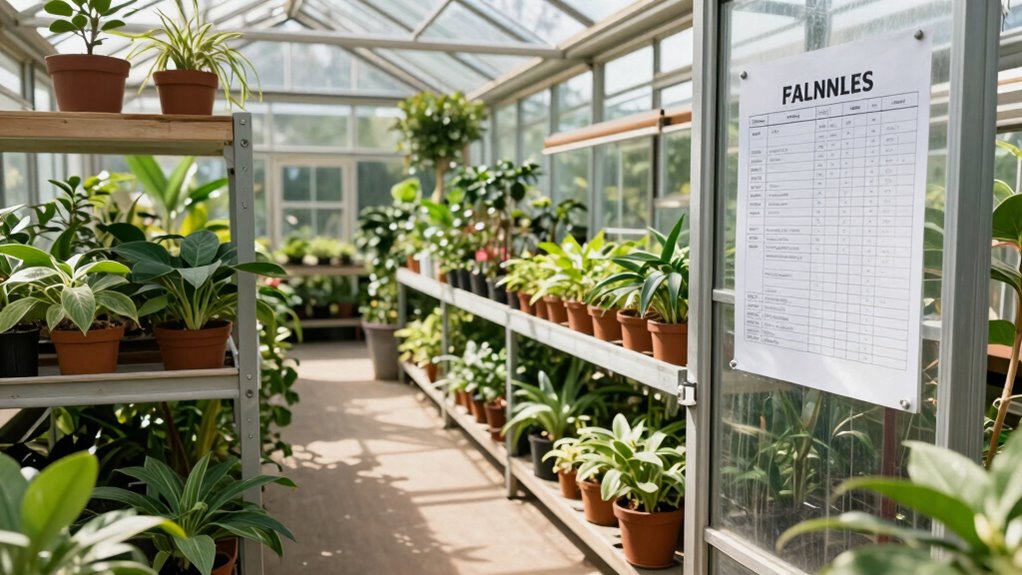
Beginning your greenhouse project requires a clear, organized plan to guarantee everything runs smoothly. Start by defining your goals, whether for plant variety, year-round use, or garden aesthetics. Choose a suitable location with ample sunlight, good drainage, and easy access. Develop an aesthetic design that complements your garden’s overall look, ensuring it enhances your outdoor space rather than detracts from it. Create a detailed checklist covering materials, ventilation, heating, and watering systems. Budget for both initial setup and ongoing maintenance, keeping long-term costs in mind. Consider future expansion or modifications to avoid costly upgrades later. Additionally, researching greenhouse materials can help you select the most durable and cost-effective options. By planning carefully, you’ll set a realistic foundation for a successful greenhouse that harmonizes functionality with aesthetic appeal.
Frequently Asked Questions
How Can I Improve Energy Efficiency in My Greenhouse?
Want to boost your greenhouse’s energy efficiency? Start by improving thermal insulation to trap heat and reduce energy loss. Next, optimize your ventilation systems to maintain proper airflow without overcooling or overheating. These simple upgrades can dramatically cut energy costs and create a healthier environment for your plants. Don’t wait—by acting now, you’ll save money and guarantee your greenhouse runs smoothly all year round.
What Are the Best Materials for Greenhouse Construction?
You should choose durable materials like polycarbonate or glass for your greenhouse, as they provide excellent insulation and allow ample sunlight. To boost energy efficiency, focus on greenhouse insulation to minimize heat loss and optimize ventilation to regulate temperature and humidity. These strategies help maintain a consistent environment, reduce energy costs, and improve plant growth, making your greenhouse more sustainable and cost-effective in the long run.
How Do I Manage Pests and Diseases Effectively?
You should start by practicing pest monitoring regularly to catch issues early. Keep your greenhouse clean and remove any diseased plants to prevent disease spread. Use integrated pest management strategies, like introducing beneficial insects or applying organic controls, to manage pests effectively. Maintain good airflow and humidity levels to reduce disease risk. Consistently monitor and act quickly to keep pests and diseases under control, ensuring healthy, productive plants.
What Permits or Regulations Should I Consider?
You should check local zoning laws and building codes before setting up your greenhouse. Many areas have restrictions on greenhouse size, materials, and placement to guarantee safety and compliance. Visit your city or county planning office or their website to get detailed information. Ignoring these permits can lead to fines or having to dismantle your greenhouse, so it’s essential to verify regulations early and follow them closely.
How Can I Incorporate Sustainable Practices Into My Greenhouse?
To incorporate sustainable practices into your greenhouse, start with composting methods to recycle organic waste and enrich your soil naturally. Implement water conservation strategies like drip irrigation and rainwater harvesting to reduce water use. Use energy-efficient lighting and ventilation systems to lower energy consumption. Additionally, choose eco-friendly materials for your structures, and consider integrating native plants to promote biodiversity and resilience in your greenhouse environment.
Conclusion
Skipping the proper assessment might seem like saving time, but it’s a costly shortcut you’ll regret. Think you can just slap together a greenhouse and hope for the best? Think again. Without understanding your space and climate, you’re setting yourself up for failure—and expensive mistakes. Ironically, the real “green” investment is taking the time now to plan carefully. That way, your greenhouse becomes a thriving oasis, not a costly lesson in what not to do.