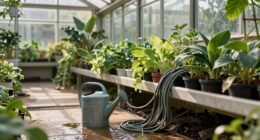
A greenhouse offers a controlled environment that helps plants grow better indoors by regulating temperature, humidity, and light, while protecting from outdoor pests and weather extremes. This makes it ideal for plants that need consistent conditions or are sensitive to outdoor challenges. Gardens, on the other hand, expose plants to natural factors and pests but can be managed with organic practices. Keep exploring to discover which setup suits your plants and gardening goals best.
Key Takeaways
- Greenhouses offer a controlled environment that can extend growing seasons and optimize conditions for a wider range of plants indoors.
- Indoor greenhouses reduce pest and disease risks compared to outdoor gardens, promoting healthier plant growth.
- Outdoor gardens are more vulnerable to weather extremes, which can hinder plant development compared to greenhouse conditions.
- Greenhouses facilitate precise regulation of temperature, humidity, and light, resulting in more consistent growth indoors.
- Certain plants requiring natural pollination or outdoor conditions may grow better in outdoor gardens than in greenhouses.

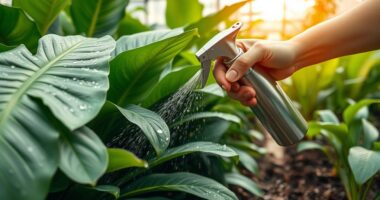
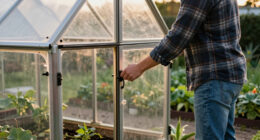
Are you trying to decide between building a greenhouse or planting a garden? Both options offer unique advantages, but understanding how each affects plant health and pest control can help you make the best choice. When it comes to maintaining ideal plant health, a greenhouse provides a controlled environment that shields your plants from harsh weather, pests, and diseases. This protection allows you to regulate temperature, humidity, and light, fostering steady growth and reducing stress on your plants. Because pests have fewer opportunities to invade a greenhouse, you can also manage pest control more effectively, often avoiding the need for chemical interventions. This environment minimizes pest pressure, so your plants stay healthier longer, and you can focus on nurturing them rather than battling infestations.
A greenhouse offers a controlled environment for healthier plants and easier pest management.
In contrast, a traditional outdoor garden exposes your plants to a broader range of pests and environmental fluctuations. While this can be a charm for those seeking a natural experience, it also means you need to be vigilant about plant health. Pests such as aphids, beetles, and caterpillars can quickly damage or weaken your plants if left unchecked. Managing pest control in an outdoor garden often requires more effort, including organic or chemical treatments and physical barriers. However, outdoor gardening also offers the benefit of natural pollinators, which can boost fruit and flower production, but it requires you to be proactive in protecting plants from pests that can compromise their health.
A greenhouse also gives you the advantage of extending your growing season, enabling you to cultivate plants that might not survive outdoors in your climate. This control over growing conditions supports healthier plants, especially when it comes to preventing diseases caused by excessive moisture or inconsistent temperatures. In an outdoor garden, you’re more vulnerable to weather extremes, which can stress plants and make them more susceptible to pests and diseases. Additionally, choosing appropriate gardening tools can make pest management and plant care more effective. Thus, if your priority is consistent plant health and easier pest control, a greenhouse might be the better choice. It allows you to create a more stable environment that promotes vigorous, healthy growth with fewer risks of pest-related setbacks.
Ultimately, your decision hinges on how much effort you’re willing to invest in pest management and maintaining ideal growing conditions. If you want a hands-off approach with fewer pest problems and better control over plant health, a greenhouse offers significant advantages. But if you love outdoor gardening and are prepared for the extra work involved in pest control, a garden can still yield healthy, vibrant plants. Both options can produce excellent results, but understanding their impact on plant health and pest control will guide you toward the right fit for your gardening goals.

4 Tier Mini Greenhouse – Portable Greenhouse with Locking Wheels and PVC Cover for Indoor or Outdoor – 27 x 19 x 63-Inch Green House by Pure Garden
4-TIER GREENHOUSE KIT – The 4 tiers of sturdy shelving in this small greenhouse are 27-inches-wide, have 14-inches…
As an affiliate, we earn on qualifying purchases.
As an affiliate, we earn on qualifying purchases.
Frequently Asked Questions
How Do Lighting Needs Differ Between Greenhouses and Outdoor Gardens?
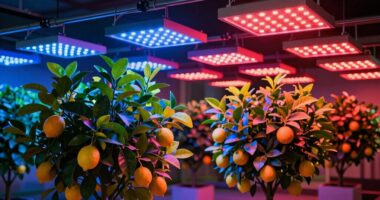
You’ll find that lighting needs differ because greenhouses rely on both natural sunlight and artificial lighting to optimize plant growth, especially during cloudy days or winter. Outdoor gardens depend solely on natural sunlight, which varies with seasons and weather. In a greenhouse, you can supplement natural light with artificial lighting to extend growth periods and improve yields, while outdoor gardens don’t require artificial lighting but are limited by sunlight availability.
What Are the Initial Costs for Setting up a Greenhouse Versus a Garden?
You’ll find that setup expenses for a greenhouse are considerably higher than for a garden, mainly due to the cost of materials like glass or polycarbonate panels, heating, and ventilation systems. The cost comparison shows that a greenhouse requires a larger initial investment, often running into thousands of dollars, while a garden setup is more affordable, mainly involving soil, seeds, and basic tools. Your choice depends on your budget and gardening goals.
Which Plants Thrive Better Indoors Versus in a Greenhouse?
Think of your indoor space as a cozy nest, perfect for plants that thrive in controlled climates. Succulent varieties and tropical plants flourish indoors because they need stable temperatures and minimal space for roots. Unlike in a greenhouse, where conditions are more adaptable, indoor environments suit these plants best, allowing you to enjoy lush greenery without the extra humidity or sunlight requirements. You’ll find your plants happier and healthier indoors.
How Does Pest Control Differ Indoors and in Greenhouses?
Pest management indoors involves targeted insect prevention, like using traps or organic sprays, since you can control access points. In a greenhouse, you need a thorough approach, including regular inspection, biological controls, and environmental adjustments to prevent pest infestations. You’ll find that managing pests indoors is more straightforward and quicker, but greenhouses require ongoing vigilance and integrated pest management strategies to keep insects at bay effectively.
What Environmental Controls Are Essential for Indoor Gardening Success?
To succeed indoors, you must master environmental controls like humidity regulation and temperature stability. Keep humidity levels consistent to prevent mold and pests, and guarantee temperature remains steady to foster healthy growth. Use humidifiers or dehumidifiers as needed, and set thermostats to maintain an ideal climate. By carefully managing these factors, you create a perfect environment that nurtures your plants’ vitality and productivity.

Bonide Systemic Houseplant Insect Control, 8 oz Ready-to-Use Granules for Indoors and Outdoors, Protects Plants from Insects
Protect plants from insect damage with Systemic Houseplant Insect Control Granules from Bonide; this product is a low…
As an affiliate, we earn on qualifying purchases.
As an affiliate, we earn on qualifying purchases.
Conclusion
Whether you choose a greenhouse or a garden, remember that each holds its own magic. Like a nurturing embrace, a greenhouse wraps plants in a warm, controlled hug, while a garden invites you to dance with nature’s unpredictable rhythm. Whichever path you pick, let your passion be the sunshine that fuels growth. In this green journey, your love is the true seed—growing beauty, joy, and life right at your fingertips.

GROWIT Heavy Duty Gardening Tools – Gardening Gifts for Women, Men, Mom, Dad – Durable, Ergonomic Garden Tools Set
IDEAL GIFTS FOR MEN, WOMEN – Our gardening tools set is the ultimate gift for any men women…
As an affiliate, we earn on qualifying purchases.
As an affiliate, we earn on qualifying purchases.

AC Infinity Outlet AI, Environment Controller, Smart WiFi Power Strip, Dual-Zone Temperature Humidity, Individual Control 4 Plugs, AI Targeting, Thermostat Greenhouse Aquarium Terrarium Home, 1800W
Independent smart outlets with AI climate targeting to create the ideal environment in grow spaces, aquariums, terrariums, home…
As an affiliate, we earn on qualifying purchases.
As an affiliate, we earn on qualifying purchases.