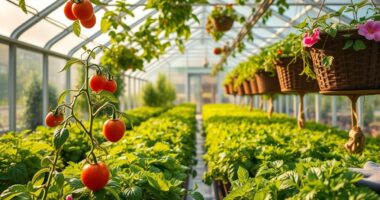
When you start greenhouse gardening, you might not expect how quickly pest problems can take over and disrupt your progress. Balancing plant health with pest control demands constant vigilance, quick decision-making, and trial-and-error adjustments. Your plants can adapt faster than you realize, requiring you to learn on the fly. The most unexpected part is how much your skills evolve through mistakes and experimentation. Keep going, and you’ll discover the secrets to mastering this challenging but rewarding environment.
Key Takeaways
- Mastering pest identification and early intervention is more challenging than it appears, often catching beginners off guard.
- Balancing plant health and pest control requires quick decision-making in a constantly changing environment.
- Developing an intuitive understanding of plant needs through observation takes time and hands-on experience.
- Experimentation with pest management methods involves trial and error, which can be frustrating but essential for learning.
- Building resilient, pest-resistant plants relies on creating optimal conditions and fostering biodiversity, not just reactive treatments.

Growing plants in a greenhouse offers more than just a controlled environment; it provides a unique opportunity to learn and adapt quickly. When you’re working closely with your plants, you start to notice how they respond to different conditions, which is crucial for understanding plant adaptation. Instead of relying solely on textbooks or external advice, you get real-time feedback from your plants, making your learning curve steeper but more effective. You’ll see firsthand how changing light levels, humidity, or watering schedules influence growth, helping you develop an instinct for what your plants need to thrive.
Working closely with greenhouse plants accelerates learning through real-time feedback and hands-on experience.
One of the biggest challenges in this environment is pest management. Unlike outdoor gardening, where pests come and go naturally, a greenhouse can become an incubator for pests if you’re not vigilant. Early on, you might find yourself caught off guard by infestations, but this is part of the learning process. The key is to develop a keen eye for signs of pests and understand how to control them without harming your plants. You’ll learn to identify pests early, whether it’s aphids, whiteflies, or spider mites, and implement integrated pest management strategies that include biological controls, like beneficial insects, or organic treatments. This hands-on approach not only helps protect your plants but also teaches you the importance of maintaining a pest-free environment through prevention and early intervention.
The learning curve involves experimenting with different methods to control pests and observing how your plants respond to various interventions. You’ll discover which pest management techniques work best for your specific setup, and over time, you’ll fine-tune your approach. This process teaches patience and adaptability, essential skills for any greenhouse grower. As you become more experienced, you’ll notice how your understanding of plant adaptation influences your pest management decisions. For example, healthier, well-adapted plants are less susceptible to pests, so you’ll focus on creating ideal conditions to strengthen your plants’ resilience.
Ultimately, the greenhouse environment pushes you to learn quickly and adapt on the fly. You’re constantly balancing plant needs with pest control, and this dynamic challenges you to think critically and act swiftly. It’s a learning curve filled with trial and error, but each mistake brings valuable insight. Developing an understanding of biodiversity within your greenhouse can help you create a more resilient ecosystem that naturally suppresses pests. As you gain confidence, you’ll find that your ability to manage both plant adaptation and pest issues improves dramatically, making your greenhouse not just a space for growing plants but a true classroom for gardening mastery.

Pestie Home Barrier Pest Control Kit, Expert Pest Control for Your Home, Fast-Acting, Long-Lasting Insect Killer, Professional Spray Protects Against Common Pests
𝗥𝗲𝗽𝗲𝗹 𝘁𝗵𝗲 𝗖𝗿𝗲𝗲𝗽𝘆 𝗖𝗿𝗮𝘄𝗹𝗲𝗿𝘀: Fed up with unwanted pests like cockroaches, ants, and spiders invading your space? Say…
As an affiliate, we earn on qualifying purchases.
As an affiliate, we earn on qualifying purchases.
Frequently Asked Questions
How Long Does the Initial Adjustment Period Typically Last?
The initial adjustment period usually lasts a few weeks to a month, depending on your greenhouse setup. During this time, you’ll get used to climate control and pest management, which are essential for healthy plants. Expect to tweak temperature, humidity, and ventilation settings as you learn what works best. Be patient, as mastering these elements takes time, but consistent effort will help your greenhouse thrive.
What Are Common Emotional Challenges During the Learning Curve?
You’ll find that emotional challenges hit hard at first, but remember, every cloud has a silver lining. During this phase, you may feel overwhelmed, impatient, or frustrated as you navigate new tasks. Building emotional resilience and practicing patience development help you stay steady. Embrace these feelings as growth opportunities, knowing that perseverance will strengthen your mental toughness and ease your progression through the learning curve.
How Can I Measure Progress Beyond Plant Growth?
You can measure progress beyond plant growth by monitoring soil testing results and pest management effectiveness. Regular soil tests reveal nutrient levels and soil health, showing improvements over time. Keep track of pest control success, noting fewer infestations or healthier plants. Additionally, observe plant resilience and flowering patterns, which indicate overall greenhouse health. Combining these measures gives you a thorough understanding of your greenhouse’s progress beyond mere plant size.
Are There Specific Plants That Accelerate Learning?
Certain plants, like fast-growing beans or radishes, are ideal for accelerating your learning. Did you know that radishes can sprout within just 3-4 days? When selecting plants, focus on those with quick growth speeds to observe results faster. This plant selection allows you to track progress more effectively, understand growth patterns, and gain confidence in your horticultural skills, making your learning journey both exciting and rewarding.
What Support Networks Are Available for Greenhouse Beginners?
You can find support networks like community forums where fellow greenhouse enthusiasts share advice, troubleshoot issues, and celebrate successes. Additionally, expert webinars offer valuable insights from experienced growers, helping you refine your skills and avoid common pitfalls. Joining these networks keeps you connected, informed, and motivated. Whether online or through local groups, these resources provide the guidance you need to confidently navigate the challenges of greenhouse gardening.

25 Million Live Beneficial Nematodes Hb – Soil Pest Exterminator
Easy to apply and can be use around humans and pets
As an affiliate, we earn on qualifying purchases.
As an affiliate, we earn on qualifying purchases.
Conclusion
So, here’s the irony: all this time, you thought building a greenhouse would be about nurturing plants. But the real lesson? It’s about nurturing your patience, resilience, and humility. Just when you think you’ve got it figured out, nature throws a curveball. The learning curve isn’t just about plants—it’s about discovering how much you still have to learn. And in that, perhaps, lies the greatest growth of all.
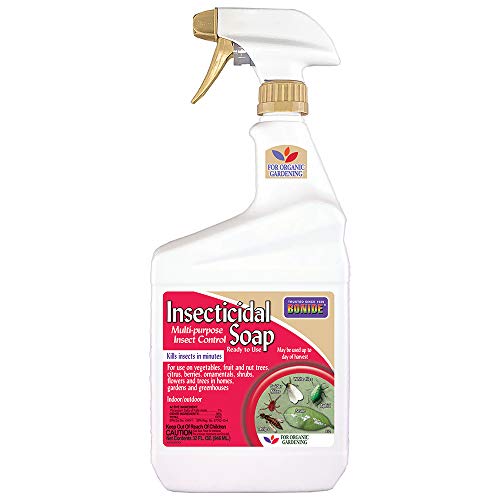
Bonide Insecticidal Soap, 32 oz Ready-to-Use Spray Multi-Purpose Insect Control for Organic Gardening Indoor and Outdoor
Captain Jack's Insecticidal Super Soap controls species of adelgid, ant, aphid, borer, caterpillar, spider mite, cricket, chinch bug,…
As an affiliate, we earn on qualifying purchases.
As an affiliate, we earn on qualifying purchases.

SONKIR Soil pH Meter, MS02 3-in-1 Soil Moisture/Light/pH Tester Gardening Tool Kits for Plant Care, Great for Garden, Lawn, Farm, Indoor & Outdoor Use (Green)
Kindly NOTE: This soil tester can not be applied to test pH value of any other liquid. If…
As an affiliate, we earn on qualifying purchases.
As an affiliate, we earn on qualifying purchases.