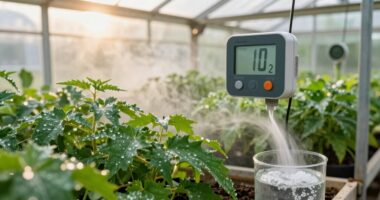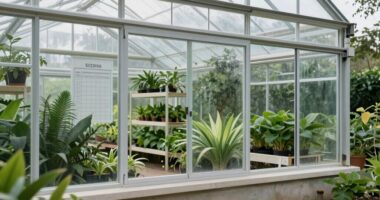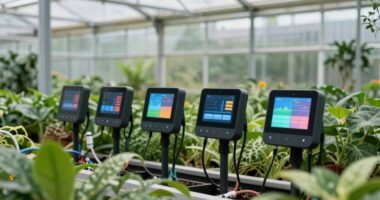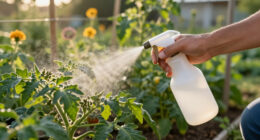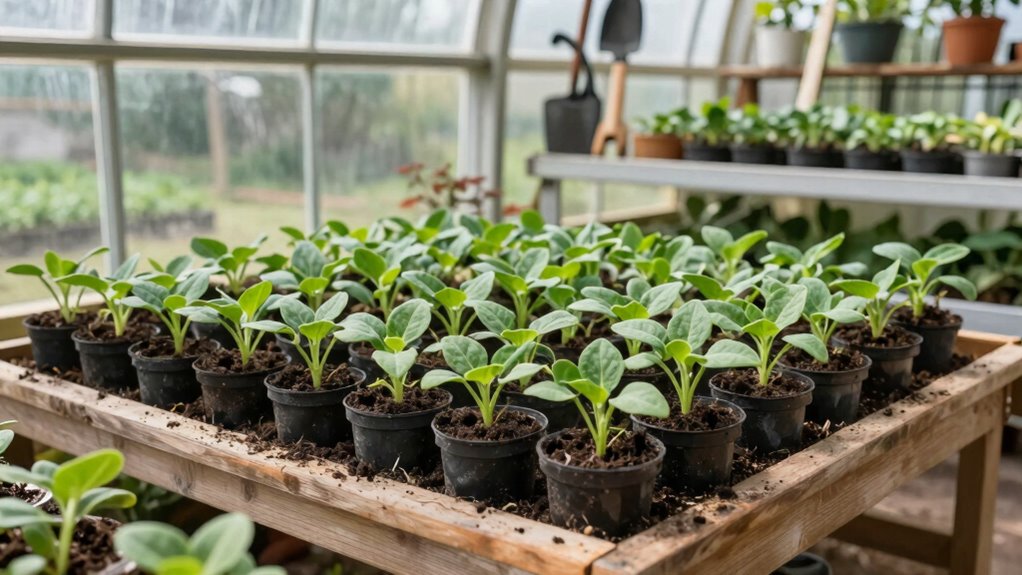
Starting simple in your greenhouse helps you understand plant needs, build confidence, and avoid costly mistakes. It’s easier to manage and conserve resources while developing essential skills. Overly complex systems can overwhelm you, cause frustration, and waste time and money. By focusing on basic techniques like soil health and companion planting, you create a strong foundation for long-term success. If you explore further, you’ll discover how simplicity can lead to a more sustainable and rewarding greenhouse experience.
Listen free for 30 days with Audible
Thousands of audiobooks and originals — cancel anytime.
As an affiliate, we earn on qualifying purchases.
Key Takeaways
- Simplifies understanding plant needs and environment, reducing mistakes and increasing confidence.
- Minimizes initial costs and resource waste compared to complex, high-tech systems.
- Eases management and troubleshooting, preventing overwhelm and frustration.
- Supports gradual learning, experimentation, and sustainable growth over time.
- Focuses on foundational techniques like soil health and biodiversity, ensuring long-term resilience.
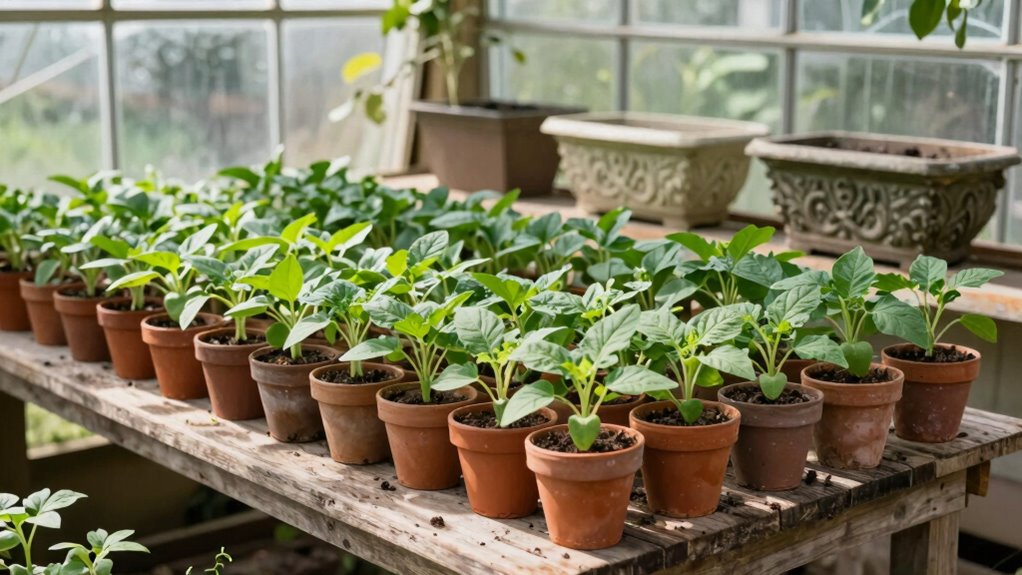
When it comes to setting up a greenhouse, beginning with simple, proven methods often leads to better results than jumping straight into complex, fancy systems. You might be tempted to install high-tech automation, state-of-the-art climate control, or intricate hydroponic techniques right away, but starting small allows you to understand the basics without overwhelming yourself. By focusing on straightforward practices, you build a solid foundation that’s easier to manage and troubleshoot. For example, using basic soil beds or simple containers helps you learn about plant needs, watering schedules, and light requirements before upgrading to more sophisticated setups. This approach minimizes costly mistakes and gives you confidence as you gain experience.
Incorporating crop rotation into your initial planning is a smart move. It’s a simple yet effective way to keep your soil healthy and prevent disease buildup. You can rotate different types of crops seasonally, which naturally breaks pest cycles and maintains soil fertility. This practice is easy to implement and doesn’t require expensive equipment. As you become more comfortable with your greenhouse’s environment, you can consider introducing hydroponic techniques later. These methods, while efficient and innovative, often demand more knowledge, equipment, and ongoing management. Starting with traditional planting and crop rotation gives you time to understand plant growth patterns and soil health before diving into nutrient solutions and water chemistry management.
Opting for simplicity also means you’re more likely to stick with your greenhouse project long-term. Overly complicated systems can be overwhelming and lead to frustration if things go wrong. When you keep things straightforward, you can make adjustments more easily, observe results closely, and develop a better sense of what works best for your space and climate. This steady approach minimizes waste—both of resources and time—and boosts your confidence in managing your greenhouse effectively. Additionally, focusing on foundational techniques helps you build confidence in your gardening skills and reduces the risk of burnout. Moreover, using cost-effective methods enables you to experiment and learn without significant financial stress, making your gardening journey more sustainable. Incorporating soil health practices from the outset can further enhance plant growth and resilience, helping you develop a more productive greenhouse environment.
Furthermore, embracing biodiversity by planting a variety of species can naturally enhance pest control and soil health, reducing the need for chemical interventions. Introducing companion planting strategies can also increase plant resilience and improve yields without additional complexity. In the end, starting simple isn’t about limiting your potential; it’s about building a reliable base from which you can expand. Once you master basic techniques like crop rotation and traditional planting, you’ll have the skills and experience needed to incorporate more advanced systems, including hydroponics, if you choose. The key is to prioritize learning and consistency over complexity. With patience and practical methods, you’ll enjoy healthier plants, better yields, and a more rewarding greenhouse experience.
As an affiliate, we earn on qualifying purchases.
Frequently Asked Questions
What Are the Common Mistakes Beginners Make When Starting a Greenhouse?
You often make mistakes like overcomplicating your greenhouse setup or ignoring cost-effective methods. Focus on beginner-friendly techniques, like choosing simple, easy-to-maintain structures and using affordable materials. Avoid rushing into fancy equipment or complex systems that can overwhelm you. Start small, learn the basics, and expand gradually. This approach helps you save money, reduces stress, and builds confidence, making your greenhouse journey more successful and enjoyable.
How Much Initial Investment Is Needed for a Simple Greenhouse Setup?
You can start a simple greenhouse for around $500 to $2,000, depending on size and materials. Conduct a thorough cost analysis by considering essential components like framing, covering, and ventilation. Investment tips include prioritizing durability over fancy features, keeping initial costs low, and gradually upgrading as your skills grow. Remember, a modest setup allows you to learn and adapt without risking significant money upfront.
Can Starting Simple Limit the Variety of Plants I Can Grow?
Starting simple doesn’t necessarily limit your plant diversity or cause growth limitations. In fact, it allows you to focus on mastering basic care and environmental control, which can be expanded later. As you become more confident, you can gradually introduce a wider variety of plants. This approach helps avoid overwhelm and guarantees healthier growth, giving you a solid foundation to grow diverse plants without sacrificing quality or success.
How Long Does It Typically Take to See Results From a Basic Greenhouse?
Back in the day, folks saw quick results with basic greenhouses, and you’ll likely notice growth within 4 to 6 weeks. It takes time for plants to establish, especially with proper climate control and pest management. You’ll see sprouts and healthy foliage first, then flowering and fruiting. Regular monitoring speeds up progress, ensuring your simple setup yields impressive results faster than you might expect.
What Are the Best Beginner Plants for a Simple Greenhouse?
You should start with easy-to-grow beginner plants like lettuce, radishes, and herbs, as they adapt well to greenhouse conditions. When selecting plants, focus on those with simple growth stages, so you can easily monitor progress and troubleshoot issues early. These plants typically show results quickly, boosting your confidence and understanding of greenhouse management. As you gain experience, you can experiment with more complex plants.
Conclusion
So, remember, when it comes to greenhouses, starting simple is like planting a sturdy seed that grows strong over time. Don’t get caught up in fancy gadgets or complex setups right away; instead, focus on the basics. Like a gentle river carving its path, simplicity keeps things flowing smoothly and steadily. Trust the process, nurture your plants patiently, and watch your greenhouse flourish—sometimes, less truly is more.
Labor Day sales Picks
labor day deals
As an affiliate, we earn on qualifying purchases.