
TL;DR
A gardening guide recommends six fall tasks for raised beds: remove diseased plants and weeds, replenish soil, cover bare ground, check drainage, protect frames and store equipment. These steps are intended to reduce erosion, nutrient loss and winter damage, but results depend on local conditions and bed design.
A seasonal gardening guide has outlined six ways to prepare raised beds for winter, including removing diseased plants, adding mature compost and covering exposed soil. The guide says the steps aim to limit erosion, nutrient loss and damage to bed frames before spring planting; their timing and details depend on climate, soil condition and bed materials.

Get garden gear delivered free with Prime
- Fast, free delivery on millions of items
- Prime Video, Amazon Music and more included
- Member-only deals all year
The guide advises gardeners to begin by checking the beds after rainfall for moisture and drainage, then remove spent annual vegetables, frost-damaged crops and persistent weeds. It recommends keeping diseased plant material out of home compost piles and sending it to municipal green waste where available. According to the guide, healthy annuals can be cut at soil level, leaving their roots to decompose in place. It also recommends cleaning and storing stakes, cages and trellises dry.
For soil care, the guide recommends gently loosening compacted areas with a garden fork rather than turning the bed over. It suggests spreading 2 to 3 inches of aged compost, leaf mold or well-rotted manure across the surface, and cautions against fresh manure, which it says can damage roots or contribute to excess nutrient loss. The guide advises basing amendments such as lime or rock phosphate on a soil test rather than applying them automatically.
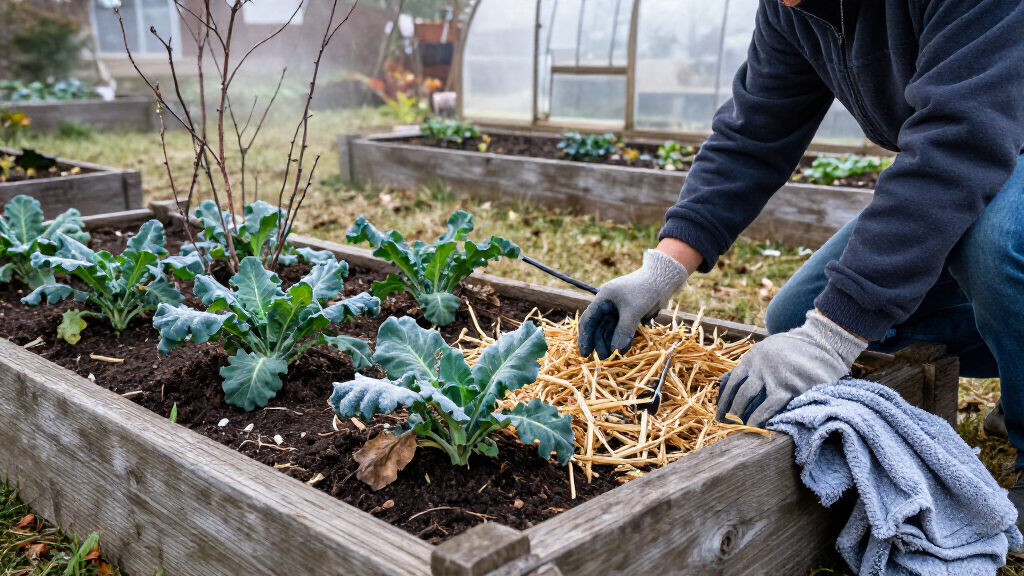
The guide’s other measures are to cover the soil with 3 to 4 inches of suitable organic mulch or, where conditions allow, sow a winter cover crop such as rye or clover; inspect drainage and address water pooling; protect wooden frames from prolonged moisture with a product labeled safe for garden beds; and clean and store reusable supports. The guide presents these as general recommendations, not a guarantee of a particular spring harvest.
Winterize raised beds for healthier soil
Six fall tasks can help limit erosion, nutrient loss and winter damage. Adjust them to local weather, soil and bed design.
Clear and care for soil
Remove diseased plants and persistent weeds; leave healthy annual roots to decompose in place.
Keep diseased material out of home compost; use municipal green waste where available.
Use a garden fork on compacted areas without turning the whole bed over.
Use aged compost, leaf mold or well-rotted manure. Avoid fresh manure.
Cover exposed ground
Choose a surface cover that suits your bed and local conditions.
- Spread suitable mulch over the soil.
- Helps shield bare ground from rain and wind.
- Sow rye or clover where conditions allow.
- Manage the crop as needed before spring planting.
Check water and structures
Inspect beds after rainfall and address problems before winter conditions worsen.
Watch for pooling
Check how water moves through the bed and address standing water.
Protect wooden boards
Use only products labeled safe for garden beds and follow directions.
Store supports dry
Clean stakes, cages and trellises before storing them.
Let conditions guide choices
Bed depth and materials affect how soil responds to cold and moisture.
| Bed factor | Winter consideration |
|---|---|
| Shallow beds | May freeze sooner than deeper beds |
| Wood frames | Can absorb prolonged moisture |
| Metal or stone frames | Can conduct cold near the edges |
Protecting Soil Through Winter
The gardening guide notes that raised beds sit above surrounding ground, so their soil can cool more quickly and face greater exposure to wind and rain. It says a bare or poorly drained bed may lose soil and nutrients, while prolonged moisture against wooden boards can contribute to deterioration. Covering the surface and clearing diseased debris are among its suggested ways to help reduce those risks.
The guide frames these measures as preparation, not a promise of yield: healthier soil conditions can make spring planting easier, but outcomes depend on local weather, crop choices, soil quality and how the measures are applied. It also recommends checking conditions before adding amendments to reduce the risk of treating a problem the bed does not have.
Products Worth Considering

Husqvarna 460 Rancher 24-Inch Gas Chainsaw

Orbit B-hyve XR 16-Zone Indoor/Outdoor Smart Sprinkler Controller

EGO POWER+ Cordless Electric Leaf Blower with Battery, 530 CFM (LB5302)
As an affiliate, we earn on qualifying purchases.
Bed Design Shapes Winter Prep
The guide says depth and construction material affect how a raised bed responds to cold. It describes wooden beds as providing some insulation while potentially absorbing moisture. Metal and stone frames resist rot, but can conduct cold, exposing soil near the edges to faster temperature changes. The guide also notes that shallow beds may freeze sooner than deeper ones.
The guide says regional timing varies. It advises gardeners in colder areas to finish preparations before the upper soil freezes, while those in milder or coastal areas may focus more on rain-driven nutrient loss, weeds and protecting cold-hardy crops. These are broad regional pointers; the guide recommends relying on local forecasts and actual bed conditions rather than a fixed calendar date.
Local Conditions Set the Limits
The source is a gardening advice article, not a report of a new scientific study or measured trial. The article provides no comparative data showing how much the steps reduce nutrient loss or increase harvests, and it does not establish that every bed needs every measure.
Exact timing and amendment choices remain dependent on local frost dates, rainfall, soil tests, bed depth and materials. The article also does not specify a single frame sealant for all gardens; it advises checking product labeling for suitability around food-growing beds and following directions.
Check Beds Before Freezing Weather
Following the guide’s recommendations, gardeners can start with a post-rain inspection, remove diseased material and weeds, and decide whether the bed needs compost, mulch or a cover crop. The guide advises using a soil test before adding lime or other mineral amendments. It also recommends cleaning and storing supports, and addressing standing water or damaged frame boards before winter conditions worsen.
As the season progresses, the guide recommends monitoring local weather and checking exposed soil and drainage. In spring, it says to remove or manage cover crops and mulch as needed for planting, then reassess soil condition before adding further amendments.
Key Questions
Should I clear every plant from a raised bed in fall?
No. The gardening guide recommends removing diseased crops, spent annual vegetables and persistent weeds, while healthy annual plants can be cut at soil level and their roots left to decompose. It says this avoids unnecessary disturbance and leaves organic matter in the bed.
How much compost or mulch should I add?
The guide suggests 2 to 3 inches of mature compost for soil nourishment, followed by 3 to 4 inches of suitable organic mulch to cover the surface. It notes that bed conditions and local weather may affect what is appropriate.
Can I use fresh manure to prepare my bed?
The guide advises against hot, uncomposted manure because it can harm roots and contribute to excess nitrates. It recommends well-rotted manure instead and following soil-test advice for other amendments.
When should I winterize raised beds?
The guide recommends completing the work before the soil freezes or heavy winter conditions set in. Timing varies by region, so it advises checking local forecasts and the soil itself rather than relying on one date for every garden.
Source: gardeningknowhow.com