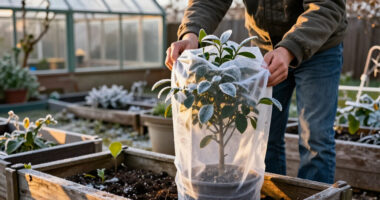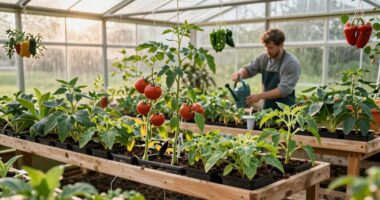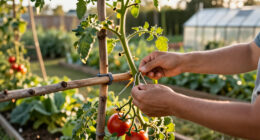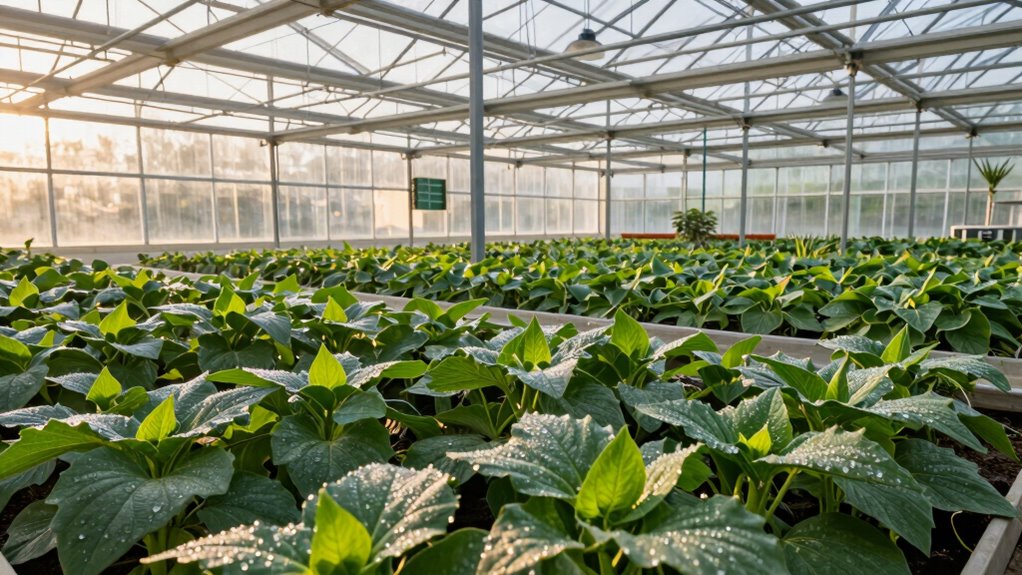

The best time to evaluate your greenhouse systems is during a pre-season review, ideally before planting begins. This allows you to identify and fix issues with climate control, pest management, and system maintenance without harming your young plants. It also gives you time to adjust settings and plan upgrades for seasonal changes. Staying proactive guarantees your greenhouse runs smoothly and sets the stage for healthy crops. Keep exploring to learn more about effective evaluation strategies.

Get garden gear delivered free with Prime
- Fast, free delivery on millions of items
- Prime Video, Amazon Music and more included
- Member-only deals all year
Key Takeaways
- Conduct evaluations before the new planting cycle begins to identify necessary adjustments early.
- Perform system inspections after the current season ends to review data and address wear or malfunctions.
- Schedule assessments during transitional weather periods to calibrate climate controls for upcoming seasonal changes.
- Regularly review pest and climate data throughout the year to anticipate upcoming challenges.
- Complete comprehensive system checks during pre-season planning to ensure readiness for optimal growth conditions.
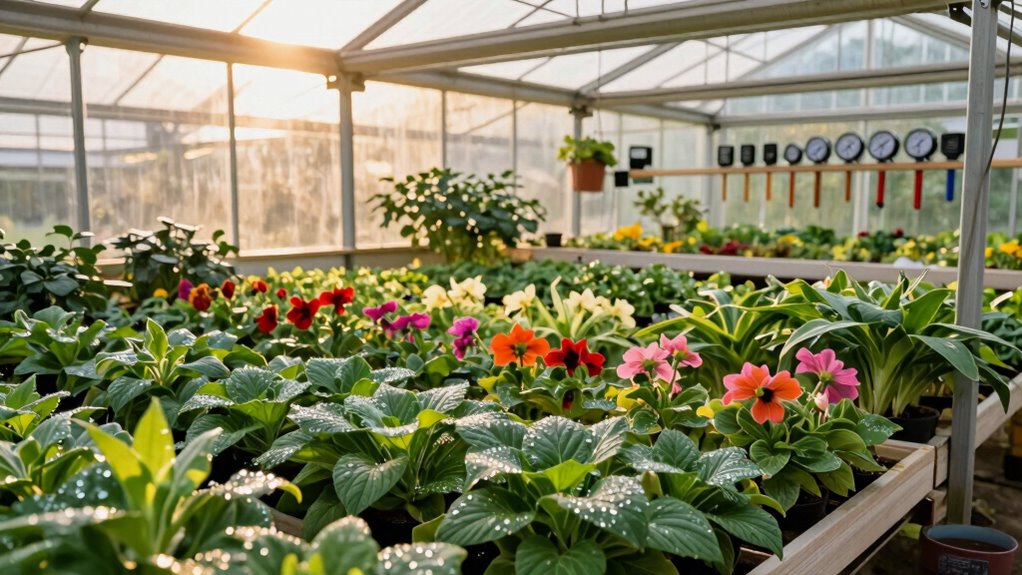
Evaluating your greenhouse system at the right time is essential to guarantee peak performance and plant health. When planning your assessment, consider the seasonal changes and the specific needs of your crops. The goal is to identify potential issues before they impact your plants and to optimize your setup for the upcoming growing season. This means paying close attention to your climate control systems and pest management strategies, making sure they’re functioning correctly and efficiently. Proper climate control maintains ideal temperature, humidity, and ventilation levels, which are vital for plant growth and disease prevention. If your system isn’t regulating conditions properly, plants can become stressed, making them more vulnerable to pests and diseases. Regularly reviewing thermostat settings, humidity controllers, and ventilation fans helps you spot any malfunctions early. It’s also a good time to calibrate sensors and update your automation systems to adapt to seasonal variations. Additionally, reviewing climate control systems ensures they are optimized for upcoming weather patterns and temperature fluctuations. Pest management is another essential aspect to evaluate during this period. Inspect your greenhouse thoroughly for signs of pests or disease, focusing on common trouble spots such as vents, door seals, and plant containers. If you notice increased pest activity or signs of disease, address these issues immediately to prevent them from spreading. This might involve cleaning and sterilizing surfaces, applying targeted treatments, or adjusting your integrated pest management (IPM) protocols. Think about whether your current pest control methods are effective or if you need to switch to more sustainable, preventative measures. This review helps you develop a proactive approach, reducing the risk of infestations during the next season. Timing your evaluation before the start of a new planting cycle allows you to make necessary adjustments without risking damage to young plants. It also gives you time to implement any upgrades or repairs needed in your climate control or pest management systems. Additionally, this period is ideal for reviewing your data logs, historical pest outbreaks, and climate patterns to identify trends and improve your strategies moving forward. Staying informed about climate variations and pest trends ensures your management strategies remain effective year-round. Incorporating regular maintenance checks into your schedule can further enhance system reliability and longevity. Conducting a thorough assessment now also enables you to incorporate innovative solutions that can improve your greenhouse’s overall efficiency and resilience. Recognizing seasonal changes can help you better anticipate and prepare for future environmental conditions. By taking a systematic approach, you guarantee that your greenhouse environment is optimized for healthy growth, efficient resource use, and minimized pest issues. Ultimately, this proactive evaluation helps you start the next season with confidence, knowing your greenhouse is ready to support your crops effectively.
greenhouse climate control system
As an affiliate, we earn on qualifying purchases.
As an affiliate, we earn on qualifying purchases.
Frequently Asked Questions
How Often Should I Inspect My Greenhouse Systems Throughout the Year?
You should inspect your greenhouse systems weekly to catch issues early. Regular checks help prevent plant disease and improve pest management. Look for signs of disease, pests, or equipment malfunctions, and address problems promptly. Seasonal inspections are also essential, especially during peak growing times. Consistent monitoring keeps your environment ideal for healthy plants and reduces the risk of outbreaks, ensuring a successful growing season ahead.
What Signs Indicate My Greenhouse Needs System Upgrades?
You’ll notice signs like declining plant health, persistent pest problems, or uneven growth, indicating your greenhouse needs system upgrades. If plants show stress or diseases persist despite pest control efforts, it’s time to assess your systems. Upgrading climate controls, ventilation, or irrigation can improve plant health and pest management. Regularly monitoring these signs helps you catch issues early, ensuring your greenhouse operates efficiently and keeps plants thriving.
Are There Seasonal Factors Affecting Greenhouse System Performance?
Seasonal shifts considerably shape your greenhouse system’s performance. As seasonal weather varies, it influences temperature, humidity, and ventilation needs. During crop cycles, you might notice subtle system struggles or stresses. You should evaluate your greenhouse systems when seasonal weather challenges arise or at the start of new crop cycles, so you can optimize conditions, prevent problems, and promote healthy growth. Regular assessments ensure your systems adapt seamlessly through seasonal changes.
How Can I Track the Efficiency of My Greenhouse Systems Over Time?
You can track your greenhouse systems’ efficiency by regularly monitoring energy consumption and plant health indicators. Keep detailed records of energy use, noting any fluctuations, and observe plant growth, yields, and signs of stress. Use sensors or data logging tools to automate tracking, and compare this data over time. This approach helps you identify inefficiencies, optimize system performance, and guarantee your plants stay healthy throughout the seasons.
What Budget Considerations Should I Keep in Mind for System Evaluations?
You might think system evaluations are costly, but a thorough cost analysis reveals they save money long-term. Budget wisely by considering maintenance planning and potential upgrades. Allocate funds not only for immediate repairs but also for future improvements that boost efficiency. Don’t overlook hidden costs like labor or downtime. By balancing these factors, you guarantee your greenhouse remains productive without overspending, turning evaluations into smart investments rather than expenses.
Conclusion
As the season winds down and your greenhouse rests in quiet anticipation, it’s the perfect moment to reflect. Picture your plants thriving, lush and vibrant, thanks to your careful evaluations. When you review your systems now, you’re planting seeds for next season’s success—like preparing the soil before planting anew. Embrace this peaceful pause, and let your insights blossom into a more efficient, flourishing greenhouse. Your next harvest starts with this thoughtful, timely check.
Halloween Picks
halloween
As an affiliate, we earn on qualifying purchases.