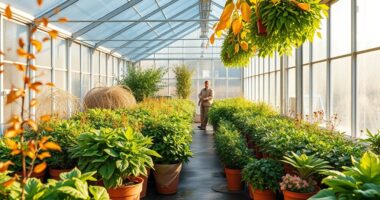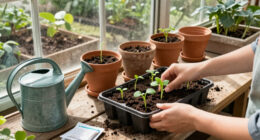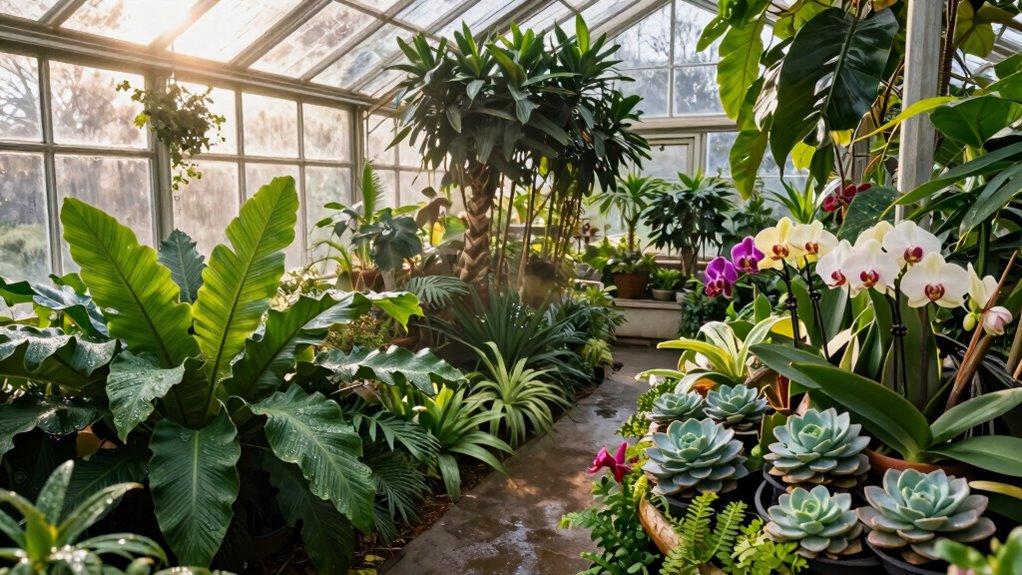

January is an ideal time to prepare your greenhouse for the upcoming growing season. You can start seeds indoors or in protected areas, ensuring they get the right warmth, light, and humidity. It’s also the perfect moment to check and adjust environmental controls and clean your space to prevent pests and diseases. By taking these early steps, you’re setting the stage for healthy plants and a bountiful harvest. Keep exploring to discover more ways to optimize your greenhouse now.

Get garden gear delivered free with Prime
- Fast, free delivery on millions of items
- Prime Video, Amazon Music and more included
- Member-only deals all year
Key Takeaways
- Starting seedlings indoors or in protected greenhouse areas for an early planting advantage.
- Monitoring and managing pests to prevent infestations before they escalate.
- Calibrating and maintaining environmental controls for optimal seedling growth.
- Cleaning and sterilizing tools and surfaces to promote healthy plant development.
- Planning and preparing for the upcoming growing season to ensure a successful harvest.
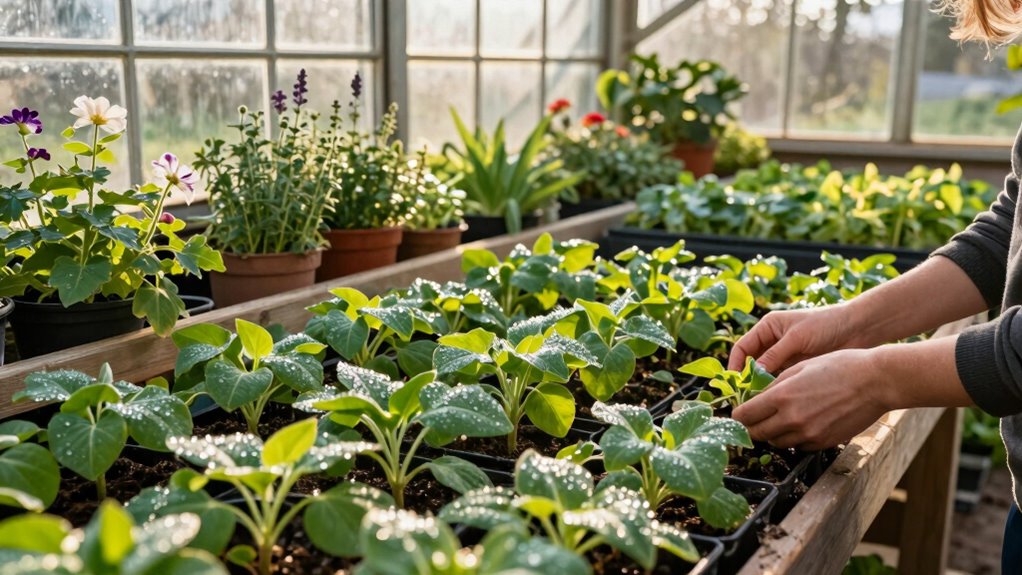
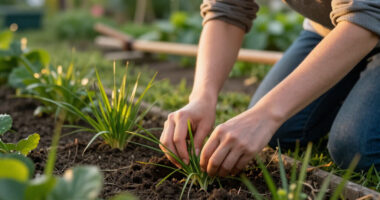
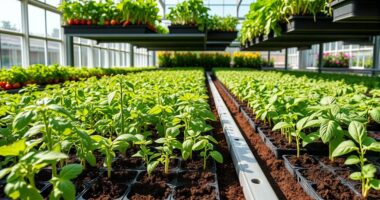
January is the perfect time to focus on greenhouse activities that prepare your space for the year ahead. As winter’s chill persists outside, your greenhouse becomes a crucial space for early planning and setup. One of your top priorities should be seed starting. This is when you get a head start on the growing season by sowing seeds indoors or in protected areas within your greenhouse. Use this quiet time to select your varieties, prepare your seed trays, and guarantee your growing environment is ideal. Maintaining consistent warmth, light, and humidity will give your seedlings the best chance to thrive. Starting seeds now allows you to transplant healthy seedlings into your outdoor garden once conditions improve, giving your plants a strong foundation and an early advantage.
January is ideal for seed starting and preparing your greenhouse for a successful growing season ahead.
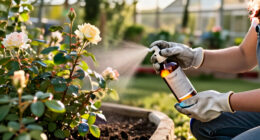
While focusing on seed starting, don’t forget to incorporate pest monitoring into your routine. January is an excellent time to inspect your greenhouse thoroughly for signs of pests or disease. Even in colder months, pests like aphids, whiteflies, or spider mites can lurk in hidden corners or on plants that have carried over from the previous season. Regular inspections help you catch infestations early before they become unmanageable. Use a magnifying glass if needed and keep an eye out for eggs, webbing, or damage to your plants. Implementing integrated pest management strategies now, such as introducing beneficial insects or applying organic controls, prepares your greenhouse to stay healthy throughout the year. Proper environmental control** also plays a key role in maintaining plant health and preventing pest issues. Ensuring your greenhouse has good ventilation and airflow** can help reduce humidity levels that favor pest development. Additionally, understanding the beneficial insects that naturally control pests can enhance your integrated pest management efforts. Incorporating **environmental monitoring tools can further optimize conditions and ward off potential problems before they escalate. Being proactive with climate control** can significantly reduce the likelihood of pest outbreaks and disease.
This month also offers a chance to refine your greenhouse environment. You can check and calibrate your heating systems, ventilation, and lighting to guarantee everything runs smoothly as your seedlings grow. Proper environmental control reduces stress on young plants and minimizes the risk of pests or diseases taking hold. It’s also an ideal time to clean and sterilize your tools, containers, and surfaces, creating a healthier space for your plants to develop. Taking these steps now saves you time and effort later when the greenhouse is in full swing.
In essence, January is about laying a solid foundation for your gardening success. Starting seeds early puts you ahead of the game, and regular pest monitoring keeps your plants safe from threats. When you focus on these activities in January, you set yourself up for a productive, healthy growing season. Your greenhouse becomes a controlled oasis of growth and discovery, where planning and prevention lead to bountiful harvests in the months to come.
As an affiliate, we earn on qualifying purchases.
Frequently Asked Questions
Can I Start Planting New Seeds in January?
Yes, you can start planting new seeds in January. This is a great time for seed germination and indoor planting, especially if you have a greenhouse or a sunny spot indoors. Use your grow lights and keep the temperature consistent to encourage healthy growth. Starting seeds early gives your plants a head start, so by the time outdoor conditions improve, your plants will be well-established and ready to thrive.
How Do I Prevent Pests During Winter Months?
To prevent pests during winter months, focus on effective winter pest control by regularly inspecting your greenhouse for signs of pests. Maintain good greenhouse sanitation by removing dead plant material, debris, and weeds, which attract pests. Keep humidity levels stable and guarantee proper airflow to deter pests from settling. Quarantine new plants and consider using natural predators or organic treatments if you spot pests early. Consistent care keeps your greenhouse pest-free all winter.
What Temperature Should My Greenhouse Be in January?
In January, keep your greenhouse at 55-65°F to support winter flowering and indoor gardening success. Don’t let the temperature drop too low, or your plants could suffer. Imagine the thrill of vibrant blooms amid the winter gloom—just right to brighten your space. Maintain consistent warmth, monitor daily, and you’ll create a cozy haven where plants thrive, even in the coldest months.
Is It Necessary to Fertilize Plants Now?
You should fertilize your plants now if they need extra nutrients, but it’s wise to first conduct soil testing to determine deficiencies. During winter, focus on tasks like winter pruning to promote healthy growth for the upcoming season. If your soil tests show low nutrients, apply a balanced fertilizer accordingly. This approach guarantees your plants stay healthy, and you give them the best start for when spring arrives.
How Can I Improve Air Circulation in Winter?
Ever wondered how to boost your greenhouse’s air quality during winter? You can improve air circulation by using effective ventilation techniques like opening vents or installing exhaust fans. Keep airflow optimized by spacing plants properly and using circulation fans to prevent stagnant air. Isn’t better airflow essential for healthy plants? Regularly monitor and adjust your ventilation system to maintain a fresh environment, helping prevent diseases and ensuring your plants thrive all winter long.
Conclusion
January may seem like a quiet month in your greenhouse, but it’s really the heartbeat of your garden’s future. By tending seedlings and planning ahead, you’re planting the seeds of success for the months to come. Remember, just as a single spark can ignite a roaring fire, your effort now fuels a thriving, lush future. Embrace this time—because in the stillness, growth quietly begins.
Halloween Picks
halloween
As an affiliate, we earn on qualifying purchases.