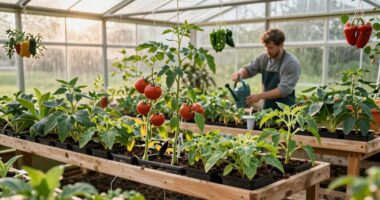
Starting your greenhouse too late is a common mistake that stalls seasonal progress and limits your harvest. When you delay, you miss valuable growing time, push back the entire season, and risk poor soil conditions or pest problems. Early preparation guarantees you can plant when conditions are ideal, which extends your growing window and boosts productivity. If you want to maximize your season and avoid setbacks, understanding the right timing is essential—keep exploring to learn more.

Get garden gear delivered free — and shop member deals
- Fast, free delivery on millions of items
- Access to Prime Big Deal Days deals on October 6–7
- Prime Video, Amazon Music and more included
Key Takeaways
- Delaying greenhouse opening reduces the available growing window and delays seasonal crop production.
- Postponing soil preparation and amendments can lead to poor plant health and pest issues.
- Waiting to start planting allows pests and diseases to establish, complicating control efforts.
- Improper timing of greenhouse maintenance and climate control hampers plant growth and resilience.
- Rushing or delaying early setup sacrifices optimal planting conditions, limiting seasonal productivity.
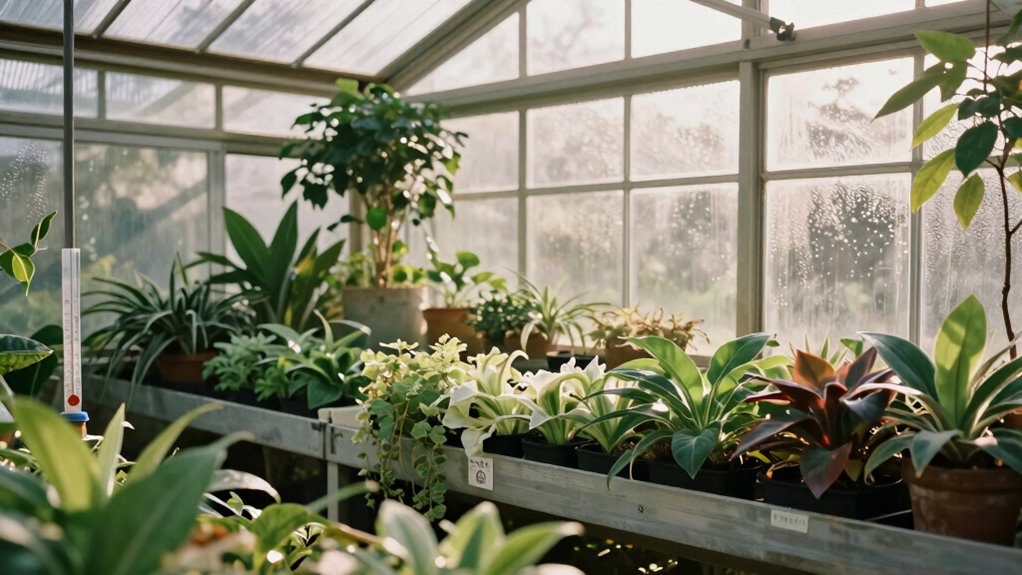
Waiting too long to start your greenhouse can be a costly mistake, especially if you’re enthusiastic to get your plants growing early. Delaying opening your greenhouse means missing out on valuable growing time, which can push back your entire growing season. To avoid this, you need to be proactive with your preparations. Soil preparation is a critical step before you even think about planting. You should test your soil’s pH, nutrients, and drainage early, so you can amend it accordingly. Well-prepared soil ensures your plants get the right nutrients from the start and reduces the risk of diseases that thrive in poor soil conditions. If you wait too long, you might find yourself rushing through soil amendments or dealing with pests that are already established in your garden beds, which only complicates pest management later on.
Getting your soil right early gives your plants a strong foundation, leading to healthier growth and better yields down the line. It also allows you to identify and address any pest problems before they become severe. Waiting too long to start your greenhouse can mean pests have already begun to establish themselves, making pest management more difficult. Early planning helps you implement integrated pest management strategies, such as introducing beneficial insects or applying organic controls before pests reach damaging levels. This way, you keep your plants healthy and minimize the need for harsh chemicals later on. Additionally, understanding the importance of biodiversity in your garden can help create a more resilient ecosystem that naturally suppresses pests and promotes plant health.
Starting early with soil and pest prep ensures healthier plants and easier pest management throughout the season.
Timing is everything when it comes to opening your greenhouse. If you delay, you risk exposing your plants to the unpredictable weather of early spring or late fall, which can stunt growth or cause damage. Starting early doesn’t mean rushing; it means being prepared. Focus on soil preparation as a priority so that when conditions are right, you can plant without delay. This preparation also includes cleaning and sterilizing your greenhouse structure to prevent disease and pest infestations from previous seasons. Properly managing soil health can significantly improve your plants’ resilience against pests and diseases, making your efforts more effective. Ensuring that your climate conditions are suitable for your crops is equally vital to avoid setbacks caused by unexpected weather fluctuations. By doing so, you create a healthier environment for your plants and reduce the chances of pest outbreaks that can set back your progress.
In essence, the key is to start planning early and take the necessary steps in soil preparation and pest management well before your target planting date. Waiting too long only increases the risk of pest problems, poor soil conditions, and missed opportunities for an extended growing season. Being aware of seasonal weather patterns and adjusting your schedule accordingly can help you optimize your planting window. When you act proactively, you set the stage for a successful, productive season and avoid the costly delays that come from last-minute preparations.
As an affiliate, we earn on qualifying purchases.
Frequently Asked Questions
How Can I Adjust Greenhouse Timing for Unexpected Weather Changes?
To adjust your greenhouse timing for unexpected weather changes, prioritize climate adaptation by monitoring weather forecasts closely. Use flexible seasonal planning, like extending or shortening growth periods, to accommodate sudden cold snaps or heatwaves. Adjust heating, shading, or ventilation as needed to protect plants. Stay proactive, keeping an eye on changing conditions, so you can modify your schedule promptly, ensuring peak growth despite unpredictable weather patterns.
What Are the Signs of Improper Greenhouse Timing Affecting Plant Growth?
Did you know that improper greenhouse timing can reduce plant growth rates by up to 30%? If you notice plants struggling with irregular growth, it might indicate you’re disrupting their natural cycle of plant dormancy. Signs include delayed flowering, poor fruit development, or increased pest outbreaks. These issues often stem from incorrect temperature or light management, so adjusting your schedule can help restore healthy growth and prevent pest problems.
Which Tools Help Monitor Optimal Greenhouse Conditions Automatically?
You can use automated tools like digital sensors and climate control systems to monitor soil moisture levels and pest activity in your greenhouse. These tools help you maintain ideal conditions by providing real-time data, so you can adjust watering schedules or pest management strategies promptly. With such technology, you reduce manual checks, improve plant health, and guarantee your seasonal progress stays on track, saving you time and effort.
How Does Greenhouse Location Influence Timing Decisions?
Of course, your greenhouse’s location is the mastermind behind your planting schedule. Microclimate factors and solar exposure are like the diviners of the plant world, whispering when conditions are just right. Placing your greenhouse in a shady nook or a windy hillside can delay or hasten growth unnecessarily. So, pay close attention to your site’s sunlight and climate nuances, or risk misreading nature’s subtle cues and throwing off your seasonal rhythm.
What Are the Long-Term Effects of Timing Mistakes on Crop Yield?
Timing mistakes can considerably reduce your crop yield over time. When you delay planting, soil nutrition may decline, and pest control becomes more challenging, leading to increased pest damage. Conversely, early planting might expose crops to harsh weather, stunting growth. These errors can cause inconsistent harvests, lower overall productivity, and diminish soil health, making future seasons harder to manage and decreasing your long-term crop success.
Conclusion
By avoiding the greenhouse timing mistake, you can accelerate your seasonal progress. Imagine starting your seedlings too early, only to struggle with pests and poor growth later. For instance, a small tomato grower in Ohio delayed planting until the right warmth, resulting in a bountiful harvest. Pay attention to local conditions and timing, and you’ll enjoy healthier plants and a more successful season. Small adjustments now can lead to big gains later.
Fall Picks
fall essentials
As an affiliate, we earn on qualifying purchases.