
A musty smell in your greenhouse signals excess moisture, poor ventilation, or mold growth that you need to address quickly. It indicates high humidity, damp surfaces, or decaying organic matter, all of which promote mold and fungi emitting earthy odors. Improving airflow, controlling humidity, and cleaning surfaces can help. If these issues persist, you might need professional help. Keep exploring to discover how to restore fresh, healthy air your plants will thank you for.

Get garden gear delivered free with Prime
- Fast, free delivery on millions of items
- Prime Video, Amazon Music and more included
- Member-only deals all year
Key Takeaways
- Musty smells indicate excess moisture and poor ventilation promoting mold and mildew growth.
- Lingering odors suggest inadequate air circulation and possible buildup of fungal spores.
- Reduced plant vigor and yellowing leaves signal environmental stress caused by humidity issues.
- Persistent odors often result from decaying organic matter or contaminated surfaces in the greenhouse.
- Addressing airflow, humidity, and cleanliness promptly helps eliminate odors and maintain healthy air quality.
As an affiliate, we earn on qualifying purchases.
Why Does My Greenhouse Smell Musty?
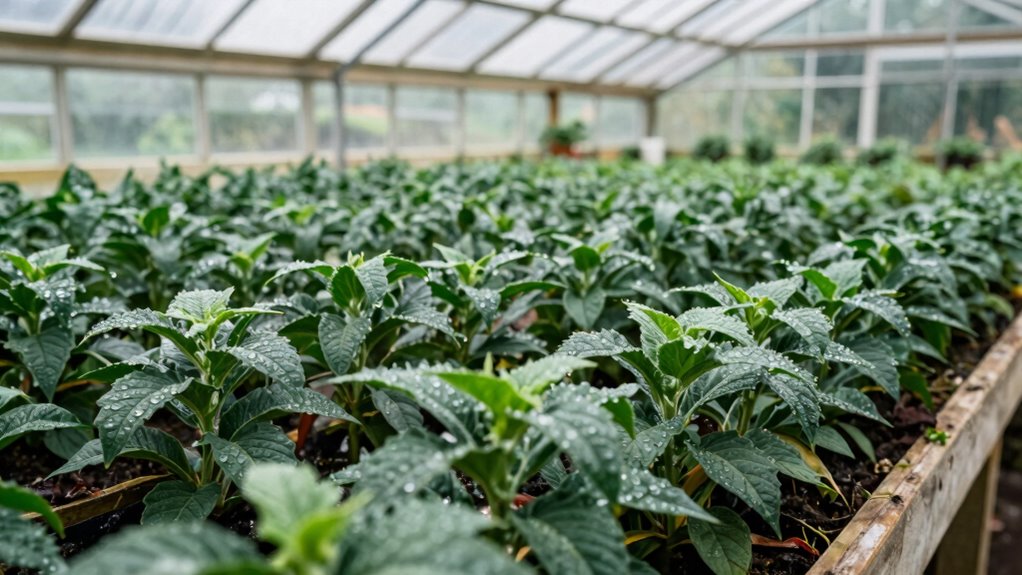
A musty smell in your greenhouse usually indicates excess moisture and poor ventilation. This damp environment promotes mold and mildew growth, which can disrupt plant nutrition by hindering nutrient uptake. When humidity levels stay high, pests like fungi gnats thrive, complicating pest management efforts. The smell often results from decaying organic matter or fungal spores settling on surfaces. To fix this, improve airflow and reduce excess moisture. Proper ventilation helps dry out the environment, discouraging mold and pests. Additionally, monitor and adjust watering schedules to prevent overwatering, which can lead to persistent dampness. Maintaining a balanced environment supports healthy plant nutrition and makes pest management more effective, ensuring your greenhouse remains a healthy, productive space free of musty odors. Implementing sustainable solutions can further enhance environmental control and reduce long-term issues, including air circulation improvements. Proper ventilation strategies are essential for maintaining a fresh, healthy greenhouse atmosphere and preventing the musty smell from recurring. Regularly checking humidity levels with a hygrometer and using dehumidifiers can also help maintain optimal conditions.
How to Spot Poor Air Quality in Your Greenhouse?
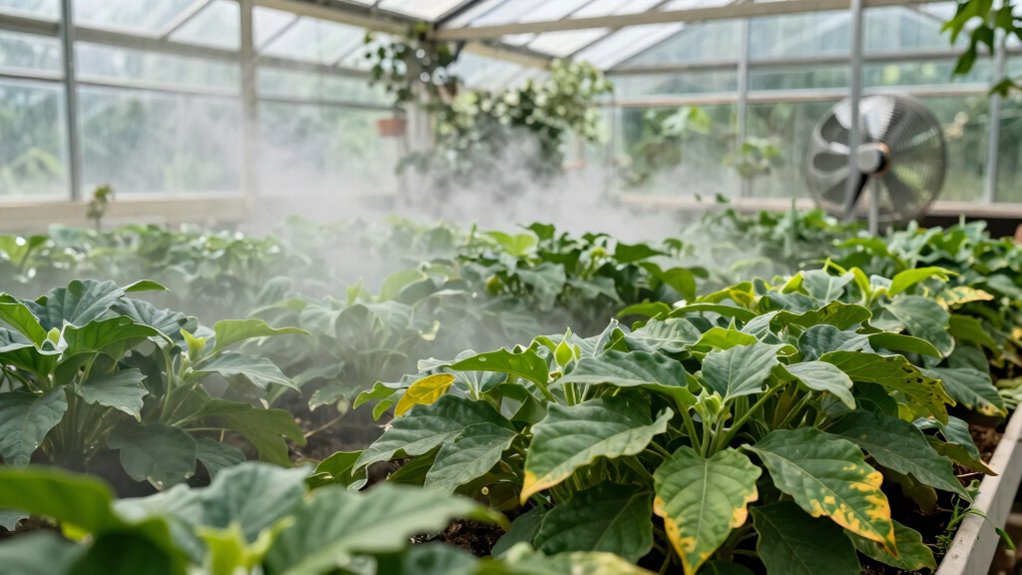
How can you tell if your greenhouse has poor air quality? Look for signs like lingering odors, reduced plant vigor, or slow growth. Poor air quality often results from inadequate air filtration, which allows dust, pollutants, and excess humidity to accumulate. If your plants seem stressed or show yellowing leaves despite proper watering, it could be a sign that the air isn’t circulating well. Foul smells or a musty scent are also indicators that your greenhouse environment needs attention. Regularly check your ventilation and air filtration systems to guarantee they’re functioning correctly. Ensuring proper air circulation and considering the use of air purifiers can help improve overall air quality. Additionally, monitoring humidity levels can prevent excess moisture buildup that contributes to poor air conditions. Maintaining proper ventilation is essential for preventing the buildup of harmful pollutants and mold. Good air quality is essential for maintaining healthy plants, preventing disease, and reducing musty odors. Be aware that air quality management involves consistent maintenance and inspection to keep your greenhouse environment optimal. Keep an eye on these signs to maintain optimal plant health and a fresh greenhouse atmosphere.
How Mold and Fungi Cause Musty Greenhouse Odors?
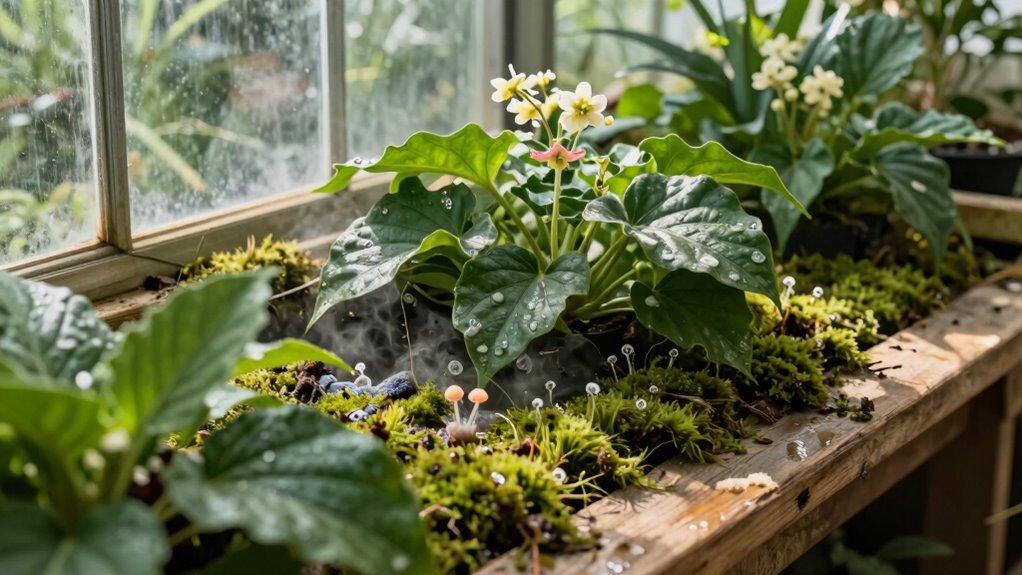
You’ll notice mold growth indicators like fuzzy patches or discoloration on surfaces, signaling trouble. Fungal spores can spread quickly through the air, contaminating your plants and environment. As mold and fungi grow, they produce musty odors that develop through the breakdown of organic material, creating that unpleasant smell in your greenhouse. Additionally, using diverse and creative planters made from various materials can influence moisture retention and airflow, potentially affecting mold growth conditions. Proper ventilation practices are essential to reduce humidity levels and minimize mold development, ensuring a healthier greenhouse environment. Ensuring adequate air circulation can further prevent stagnant air that fosters mold growth and helps disperse fungal spores more effectively. Implementing air-based cooking principles like controlling airflow can help maintain optimal humidity and reduce mold risks. Regularly monitoring humidity levels can also help prevent excessive moisture buildup that encourages mold growth.
Mold Growth Indicators
Mold and fungi often reveal their presence through distinct growth patterns and subtle signs that can develop unnoticed. Look for fuzzy or slimy patches on surfaces, especially around damp corners or shaded areas. Discoloration, such as black, green, or white spots, is also a telltale sign. You might notice a persistent musty odor that air filtration can’t fully eliminate, indicating mold’s ongoing presence. These indicators signal mold growth, which releases spores and volatile compounds contributing to odor absorption issues. Regular inspection helps catch these signs early, preventing mold from spreading further. Addressing visible growth promptly not only improves air quality but also reduces the risk of health problems associated with mold exposure. Keep an eye out for these clues to maintain a healthy greenhouse environment, and consider proper ventilation to help control humidity and discourage mold development. Incorporating moisture control techniques can further prevent mold growth by maintaining optimal humidity levels. Additionally, understanding how mold spores disperse can help you implement effective containment strategies, especially when combined with adequate airflow management. Being aware of the indicators of mold, such as changes in texture and smell, enables timely intervention to protect both plants and humans.
Fungal Spores Spread
When mold and fungi grow on surfaces within a greenhouse, they release tiny spores into the air that can easily spread throughout the environment. This spore dispersal allows mold to quickly colonize new areas, increasing the risk of widespread contamination. As spores circulate, they can settle on plants, soil, and structures, facilitating pathogen spread. You might notice increased musty odors as these spores settle and multiply, signaling ongoing fungal activity. Without proper ventilation or moisture control, spores remain airborne longer, making it easier for mold to expand. To prevent this, you need to regularly inspect surfaces, improve airflow, and reduce humidity. Additionally, implementing natural filtration systems can help remove spores from the air, further reducing contamination risks. By controlling spore dispersal, you minimize the chances of mold taking hold and causing persistent, unpleasant smells in your greenhouse.
Odor Formation Process
As mold and fungi grow on surfaces in your greenhouse, they produce volatile organic compounds (VOCs) that release a sharp, earthy odor into the air. These VOCs result from metabolic processes fueled by excess moisture, poor plant nutrition, and imbalanced soil pH. When soil pH is too acidic or alkaline, it weakens plant health and promotes fungal growth. Fungi thrive in damp, nutrient-rich environments, releasing specific VOCs that cause the musty smell. Understanding soil health plays a crucial role in preventing fungal proliferation and odor formation. Additionally, Vetted – Floating on Water environments can exacerbate moisture issues, increasing mold risk. Fungal metabolism releases specific VOCs that create odor, making proper ventilation essential for odor control. Excess moisture and poor ventilation increase mold growth. Imbalanced soil pH stresses plants, making them more susceptible. Nutrient deficiencies weaken plant defenses, encouraging fungi proliferation. Understanding this process helps you address the root causes, reducing odors and maintaining a healthier greenhouse environment.
How Humidity and Moisture Make Your Greenhouse Smell?
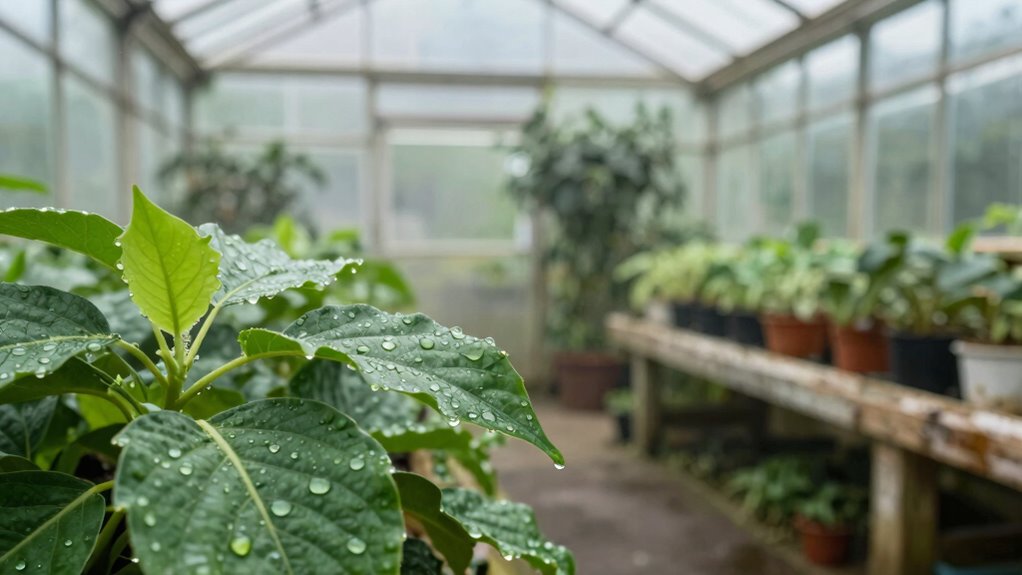
High humidity and excess moisture create the perfect environment for musty odors to develop in your greenhouse. When moisture lingers, mold and mildew thrive, releasing foul smells. Poor air circulation worsens this, trapping damp air and preventing evaporation. To combat this, focus on humidity control and improving airflow. Proper ventilation helps moisture escape and keeps air fresh. Use the table below to understand how humidity and moisture influence smell:
| Factor | Effect |
|---|---|
| High humidity | Promotes mold growth, causes musty smell |
| Excess moisture | Creates damp surfaces, mold spots |
| Poor air circulation | Traps moisture, intensifies odors |
Controlling humidity and ensuring good air circulation are key to preventing musty odors and maintaining a fresh greenhouse environment. Additionally, utilizing local automation can help monitor and adjust environmental conditions automatically for optimal airflow and humidity levels.
How to Improve Ventilation and Air Circulation?
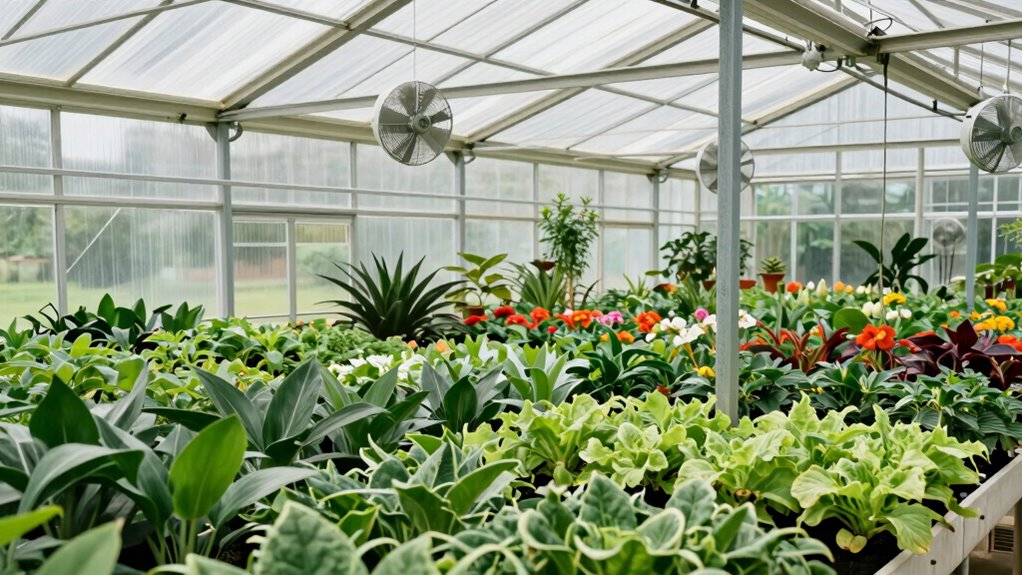
Improving ventilation and air circulation is essential for reducing moisture buildup and preventing musty odors in your greenhouse. Proper airflow optimization helps remove excess humidity and stale air, keeping conditions fresh. Focus on strategic vent placement to maximize airflow, ensuring fresh air enters and moist air exits efficiently. You can enhance circulation by incorporating fans or adjustable vents that promote consistent airflow. Regularly inspect and adjust vent positions based on your greenhouse’s layout and seasonal needs. Good vent placement minimizes dead zones where moisture can accumulate. Remember, effective ventilation not only controls humidity but also discourages mold growth and musty smells. Keep air moving steadily, and your greenhouse will stay healthier, fresher, and more inviting. Trusted Businesses and Services Near You can often assist with professional ventilation solutions to optimize airflow.
Cleaning Tips for a Fresh-Smelling Greenhouse
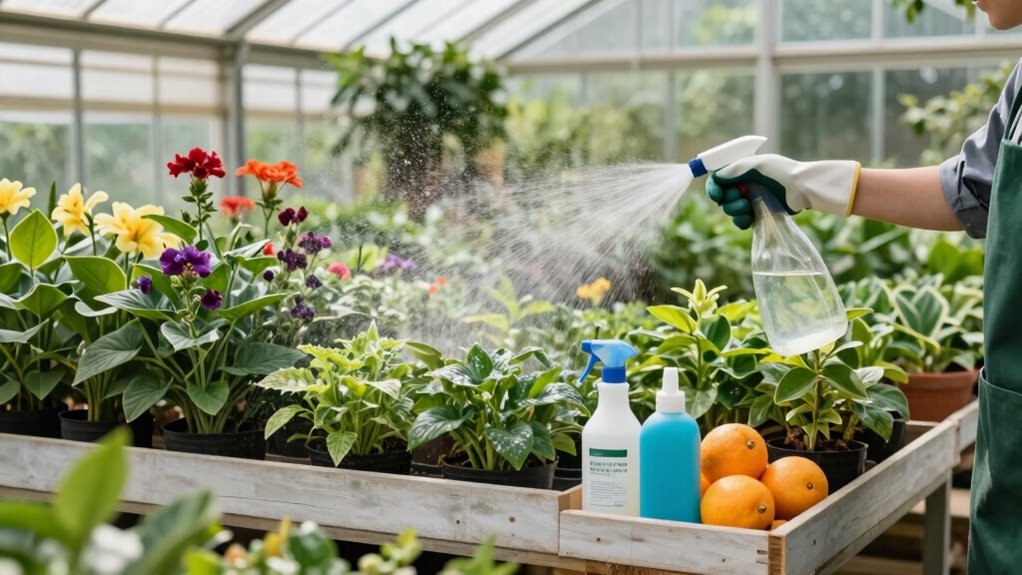
To keep your greenhouse smelling fresh, establish a regular cleaning schedule and stick to it. Make sure you’re using proper ventilation techniques to allow air to circulate effectively. These simple steps will help prevent musty odors and maintain a healthy environment for your plants.
Regular Cleaning Schedule
Establishing a regular cleaning schedule is essential for maintaining a fresh-smelling greenhouse. Consistent cleaning prevents the buildup of mold, algae, and residue that cause musty odors. It also supports healthy plant nutrition and pest management by reducing hiding spots for pests and disease.
To stay on top of cleanliness, consider these tips:
- Sweep and wipe down surfaces weekly to remove dust and debris
- Empty and disinfect trays and containers regularly
- Remove dead plant material immediately
- Ventilate and clean filters to improve airflow and reduce humidity
A clean environment discourages mold growth and pests, keeping your greenhouse smelling fresh. Regular maintenance ensures your plants thrive while odors stay at bay, creating a healthier, more inviting space.
Proper Ventilation Techniques
Proper ventilation is key to maintaining a fresh-smelling greenhouse, as it helps regulate humidity levels and prevent excess moisture buildup that can lead to musty odors. Effective airflow management involves strategic vent placement to ensure consistent air exchange. Place vents high on walls or ceilings to remove warm, moist air, and position intake vents lower to bring in fresh air. Adjust vents regularly based on weather and internal conditions for ideal airflow. Use the table below to guide your vent placement:
| Vent Type | Location | Purpose |
|---|---|---|
| Exhaust Vents | Near the ceiling | Remove humid air |
| Intake Vents | Near floor or lower walls | Bring in fresh air |
| Adjustable Vents | Throughout greenhouse | Maintain airflow balance |
When to Call a Pro for Persistent Odors?
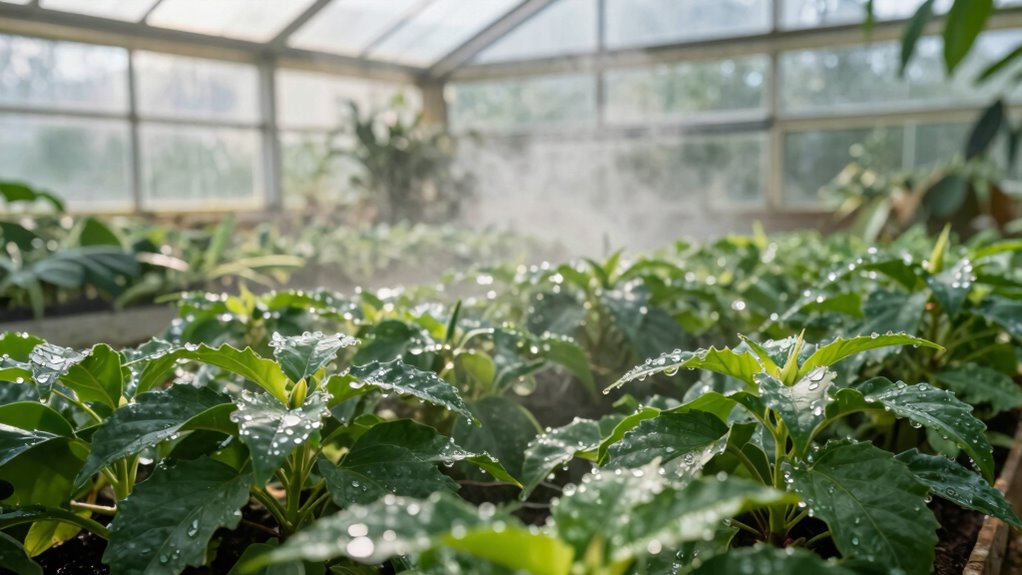
Persistent odors in your greenhouse can be a sign that professional help is needed, especially when DIY solutions no longer work. If you’ve tried improving ventilation or adjusting plant nutrition but the smell persists, it’s time to call in experts. They can identify underlying issues like greenhouse pests or mold that may be causing foul odors. Persistent smells might also indicate unseen problems affecting plant health or ventilation systems, which can worsen over time. Don’t ignore these signs, as they could harm your plants or compromise your environment. Consider contacting a professional if you notice:
- Odors that won’t go away despite cleaning
- Signs of greenhouse pests or mold
- Unusual plant health issues
- Problems with your ventilation system
Act promptly to protect your greenhouse’s ecosystem.
Frequently Asked Questions
Can Certain Plants Cause a Musty Smell in My Greenhouse?
Yes, certain plants can cause a musty smell in your greenhouse due to plant-specific odors. When these plants release aromatic compounds, they may contribute to the overall odor. Poor air circulation can intensify this, trapping the smells and making the mustiness more noticeable. To fix this, increase air circulation with fans or vents, and identify any plants that emit strong odors, then consider relocating or managing them better.
Does Using Chemical Fungicides Affect Greenhouse Air Quality?
Chemical fungicides can impact your greenhouse air quality, as studies show residues may linger in the air for hours or days. These residues can cause respiratory irritation or allergic reactions. To protect yourself, guarantee proper air filtration systems are in place, removing airborne chemicals effectively. Regularly ventilate your greenhouse after applying fungicides, and opt for integrated pest management to minimize chemical use and maintain healthier air quality.
How Does Soil Type Influence Musty Odors?
Your soil type plays a big role in musty odors because soil composition affects microbial activity. If your soil is poorly drained or has high organic material, it encourages mold and bacteria growth, producing that damp, musty smell. To fix this, improve drainage, aerate the soil, and adjust organic content. Healthy microbial activity can help maintain a balanced, odor-free environment, keeping your greenhouse smelling fresh and promoting healthy plant growth.
Are There Natural Remedies to Eliminate Greenhouse Mustiness?
Yes, you can naturally eliminate greenhouse mustiness by improving airflow and managing compost properly. Regularly ventilate your greenhouse to boost air circulation, helping to reduce humidity. Incorporate compost management practices, like turning compost and avoiding excess moisture, to prevent mold growth. Using natural absorbents like charcoal or activated carbon can also help absorb odors. These steps create a fresher environment, reducing musty smells without harsh chemicals.
Can Outdoor Environmental Factors Impact Greenhouse Odor Levels?
Yes, outdoor environmental factors can impact your greenhouse odor levels. Poor air circulation and high humidity from outside conditions can trap moisture and mold, leading to musty smells. To combat this, improve air circulation with fans and vents, and control humidity with dehumidifiers or proper ventilation. By managing these factors, you’ll help prevent odors and keep your greenhouse smelling fresh and healthy.
Conclusion
Think of your greenhouse as a living, breathing organism—when it smells musty, it’s whispering that something’s off. By tuning in to its subtle signals and giving it fresh air and a good clean, you can restore its vibrant spirit. Don’t let mold or moisture cast a shadow over your green paradise. With a little care and attention, you’ll have your greenhouse singing with the sweet scent of health and growth once again.
Fall Picks
fall essentials
As an affiliate, we earn on qualifying purchases.