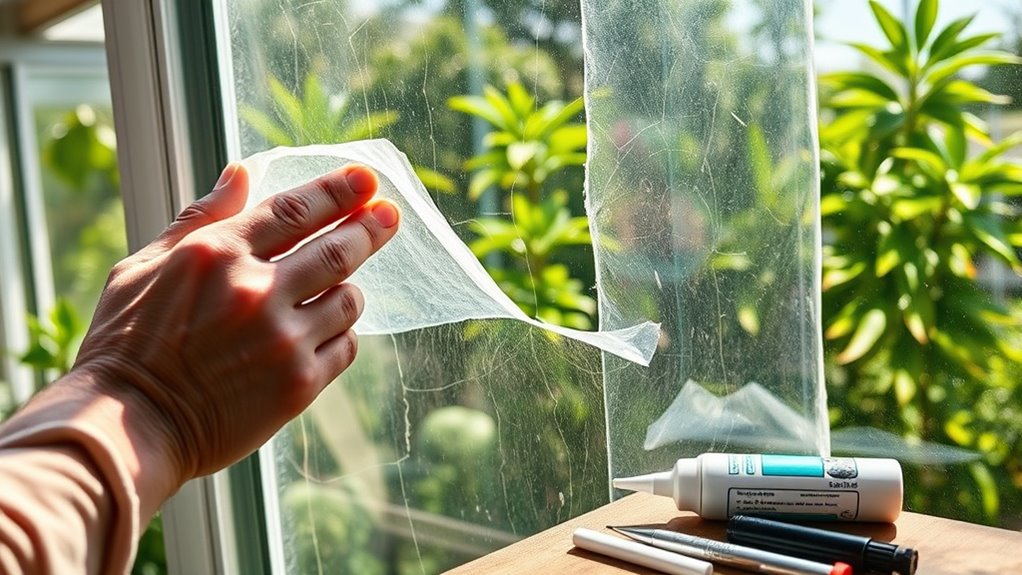

To fix tears, cracks, and leaks in your greenhouse, start by inspecting the affected areas to assess damage. Seal small cracks with appropriate fillers or patching materials, and for larger damage, reinforce or replace sections like panels or framing. Use durable, weather-resistant products to guarantee long-lasting repairs. Proper repair techniques and consulting with specialists when needed can prevent further issues. Keep your structure in top shape by following these steps—more tips await if you continue on.

Get garden gear delivered free — and shop member deals
- Fast, free delivery on millions of items
- Access to Prime Big Deal Days deals on October 6–7
- Prime Video, Amazon Music and more included
Key Takeaways
- Inspect the affected areas thoroughly to assess the extent of tears, cracks, or leaks before choosing repair methods.
- Seal small cracks with appropriate fillers and reinforce larger damages with suitable patching materials.
- Identify and address the root causes of leaks, such as damaged seals or joints, to prevent future issues.
- Use durable, weather-resistant materials compatible with the greenhouse structure for long-lasting repairs.
- Consult structural specialists for complex repairs to ensure stability and maintain the integrity of the greenhouse.

Are you noticing cracks, sagging, or other signs of damage in your building’s structure? If so, it’s essential to address these issues promptly to prevent further deterioration. Structural repairs in your greenhouse often involve evaluating the damage carefully and implementing targeted solutions. One of the first steps is to analyze your ventilation systems. Proper ventilation helps regulate temperature and humidity levels, which are critical for maintaining the integrity of your greenhouse’s structure. Poor airflow can lead to excess moisture accumulation, weakening materials over time and promoting mold or rot. Improving your ventilation systems can mitigate these risks, reducing the strain on your building’s framework and preventing future damage.
Proper ventilation is key to preventing moisture buildup and structural damage in your greenhouse.
Alongside ventilation, paying attention to your watering techniques is equally important. Overwatering can cause water to seep into cracks or joints, accelerating deterioration. Conversely, insufficient watering might lead to dry, brittle materials that are more prone to cracking or breaking. You need to find a balanced approach—watering consistently and efficiently to prevent excess moisture from lingering around structural components. Using drip irrigation or targeted watering methods helps deliver water precisely where it’s needed, minimizing runoff and water damage. This approach also reduces the likelihood of water pooling on surfaces, which can cause stress and eventual failure of structural elements.
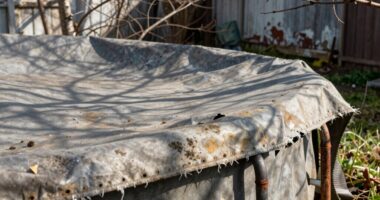
When repairing cracks or leaks, you should carefully inspect the affected areas to determine if the damage is superficial or if it compromises the integrity of the structure. Small cracks might be sealed with appropriate fillers or patching materials, but larger or more severe damage may require reinforcement or replacement of sections. For leaks, identify the source—whether it’s a damaged seal, a broken panel, or a compromised joint—and address it promptly. Sometimes, it might be necessary to replace entire panels or reinforce framing members to restore stability.
Furthermore, consider the materials used during repairs. Choosing durable, weather-resistant products ensures that your fixes last longer and withstand environmental stresses. If you’re uncertain about the scope of damage or the best repair techniques, consulting with a structural specialist can save you time and money in the long run. They can suggest the most effective methods for patching tears, cracks, or leaks, and advise on how to prevent similar issues in the future. Additionally, understanding materials and construction techniques can help you select appropriate repair solutions that align with your greenhouse’s existing structure.
As an affiliate, we earn on qualifying purchases.
Frequently Asked Questions
How Often Should I Inspect My Greenhouse for Damages?
You should inspect your greenhouse monthly to catch damages early. Regular seasonal maintenance helps identify tears, cracks, or leaks before they worsen. During inspections, check for signs of pest prevention issues, like holes or chew marks, and repair any damage promptly. This routine keeps your greenhouse secure and healthy, ensuring ideal growth conditions for your plants. Consistent inspections also save you time and money on major repairs later.
What Tools Are Best for Greenhouse Repair Work?
You should choose tools based on your repair techniques and the damage’s severity. A utility knife or scissors work well for cutting repair patches, while a staple gun or heavy-duty adhesive guarantees tears. For cracks and leaks, use a putty knife and sealant or greenhouse-specific patch kits. Selecting the right tools ensures efficient repairs, helping you maintain a sturdy, weatherproof greenhouse that keeps your plants thriving.
Can DIY Repairs Ensure Long-Term Greenhouse Durability?
Your DIY repairs can be a sturdy shield, but only if you guarantee material compatibility and proper waterproofing techniques. Think of it as crafting a fortress—each piece must fit perfectly and repel water like a moat. When you master these essentials, your greenhouse’s durability grows stronger over time, standing resilient against the elements. With care and knowledge, your repairs can truly extend your greenhouse’s life, making it a lasting oasis.
Are There Eco-Friendly Repair Options Available?
Yes, eco-friendly repair options are available for your greenhouse. You can use biodegradable patches that naturally break down without harming the environment, or opt for recycled sealants made from repurposed materials to fix tears, cracks, and leaks. These options help you maintain your greenhouse’s integrity while reducing your ecological footprint. By choosing sustainable repairs, you support eco-conscious gardening and ensure your greenhouse remains durable long-term.
How Do I Prevent Future Tears and Leaks Effectively?
To prevent future tears and leaks, you should regularly inspect your greenhouse and reinforce vulnerable areas with durable material reinforcement. For example, a gardener noticed recurring tears near seams, so they applied a high-quality sealant to strengthen those spots. Consistent maintenance, including timely sealant application, helps keep your greenhouse airtight and resilient. Additionally, using weather-resistant materials and avoiding overloading can markedly extend its lifespan and reduce the need for repairs.
Conclusion
Think of your greenhouse as a delicate garden’s heartbeat. When tears, cracks, or leaks appear, they threaten its harmony. But with swift repairs, you’re mending the threads that keep your lush sanctuary alive. Each fix is like sewing a stitch in a vibrant tapestry, restoring strength and beauty. Embrace these repairs as acts of love—patching, sealing, reinforcing—so your greenhouse can flourish, a resilient guardian of growth, under your caring, watchful eye.
Fall yard work Picks
leaf blowers
As an affiliate, we earn on qualifying purchases.