
Vents, fans, and thermostats are often overlooked until they break down, causing serious issues. You might forget to check for dust, obstructions, or strange noises, but neglecting these parts can lead to overheating, mold, or stressful conditions for your plants. Regular inspections catch problems early and save you money in the long run. Keep an eye on these essential components to make certain your greenhouse runs smoothly—there’s more to discover if you keep exploring.

Get garden gear delivered free — and shop member deals
- Fast, free delivery on millions of items
- Access to Prime Big Deal Days deals on October 6–7
- Prime Video, Amazon Music and more included
Key Takeaways
- Ventilation fans, louvers, and filters are often overlooked, leading to reduced airflow and system failure.
- Heating elements and thermostats may be neglected, causing temperature fluctuations and plant stress.
- Regular inspection of wiring and electrical components is frequently ignored, risking malfunctions.
- Dust buildup and obstructions in ventilation and heating systems are commonly unnoticed until issues arise.
- Routine maintenance of small parts like squeaky fans or sluggish louvers is often postponed, risking larger failures.

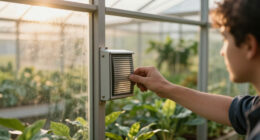
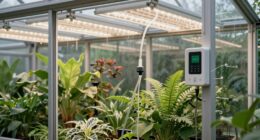
Greenhouses are complex systems with many components, but some parts often don’t get the attention they deserve. Ventilation systems and heating elements are prime examples. You might assume they’ll work seamlessly once installed, but neglecting regular checks can lead to costly failures. Ventilation systems, for instance, regulate airflow, control humidity, and prevent overheating. If ignored, dust buildup, obstructions, or broken fans can diminish their efficiency. When these systems fail, you might notice sudden temperature spikes, mold growth, or plant stress. Yet, routine maintenance often takes a backseat because it’s less visible than watering or fertilizing. You should periodically inspect fans, louvers, and filters to guarantee they’re free of debris and operating correctly. Small issues like a squeaky fan or sluggish movement often signal bigger problems ahead. Addressing these early can save you from more significant damage later on. Regular maintenance checks can help identify these problems before they escalate, ensuring your greenhouse stays functional and efficient.
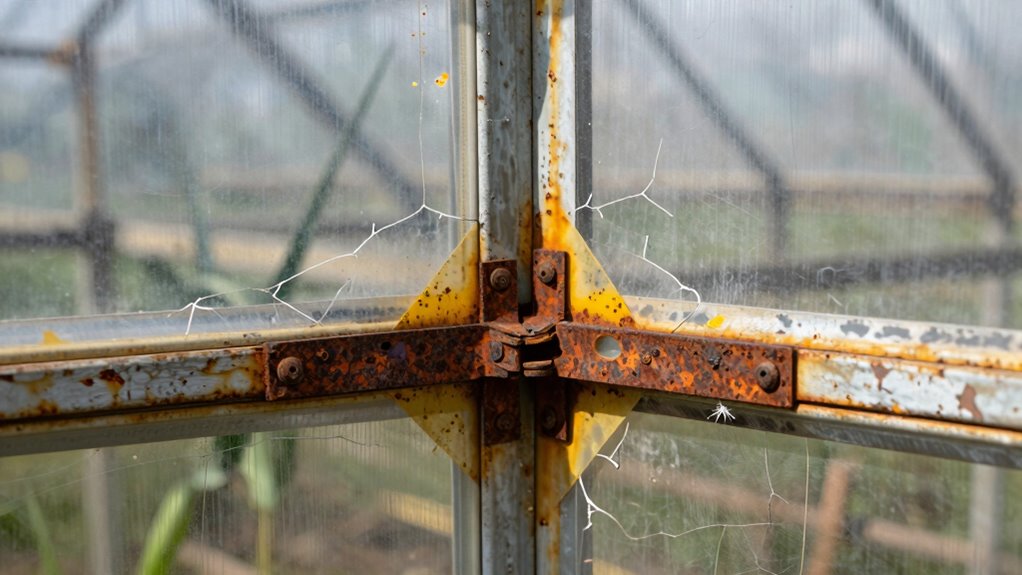
Heating elements are equally essential, especially in cooler months. They keep the environment warm enough for healthy plant growth. However, these components tend to be overlooked until they stop working altogether. Electric heaters, boilers, or heating cables can develop faults like faulty thermostats, broken wiring, or mineral buildup. When heating elements malfunction, the temperature can plummet unexpectedly, stressing your plants or even killing them. Often, you notice the problem only after the damage is done, which makes regular checks indispensable. You should monitor temperature readings, inspect wiring for corrosion, and clean mineral deposits that can insulate heating elements, reducing their efficiency. If you notice uneven heating or strange noises, it’s a sign you need to troubleshoot sooner rather than later. Many growers forget that these systems are just as vulnerable to wear and tear as any mechanical device. Incorporating preventive maintenance into your routine can extend the lifespan of these vital components and prevent unexpected breakdowns.
Neglecting these parts can lead to total system failure, forcing you to scramble for emergency repairs or replacements. Regular inspections and maintenance might seem minor tasks, but they’re essential for keeping your greenhouse running smoothly. When you take the time to check ventilation systems and heating elements routinely, you prevent unexpected downtimes and protect your plants from environmental stress. In the end, paying attention to these often-overlooked parts guarantees your greenhouse remains a healthy, productive space. Ignoring them might save time initially, but the consequences of neglect can be far more costly. Staying proactive keeps your growing environment stable and your plants thriving.
As an affiliate, we earn on qualifying purchases.
Frequently Asked Questions
How Often Should I Inspect My Greenhouse’s Rare or Hidden Parts?
You should inspect your greenhouse’s ventilation systems and irrigation components at least once a month. Regular checks help catch issues early, preventing costly failures. Look for clogged vents, broken fans, or leaks in your irrigation lines. Pay attention to hidden or hard-to-see parts, like ductwork or underground pipes. Consistent inspections guarantee your greenhouse stays healthy, efficient, and productive, avoiding unexpected breakdowns that can harm your plants.
What Signs Indicate a Hidden Greenhouse Component Is Failing?
A stitch in time saves nine, so watch for signs your ventilation systems or irrigation components are failing. You might notice uneven watering, lingering humidity, or strange noises indicating blockage or wear. Reduced airflow, unexplained leaks, or inconsistent climate control also signal trouble. Don’t ignore these clues; early detection helps prevent costly repairs and keeps your greenhouse thriving. Stay alert, and address issues before they turn into big problems.
Are There Preventive Maintenance Tips for Overlooked Greenhouse Parts?
You should regularly inspect ventilation systems and check for irrigation leaks to prevent failures. Clean fans and vents to guarantee proper airflow, and replace filters as needed. Fix irrigation leaks promptly to avoid water wastage and root problems. Schedule routine maintenance, like tightening fittings and lubricating moving parts, to catch issues early. Staying proactive helps extend the life of these overlooked parts and keeps your greenhouse running smoothly.
Which Greenhouse Parts Are Most Vulnerable to Weather Damage?
The parts most vulnerable to weather damage are often hidden, waiting to fail when you least expect it. Your greenhouse’s climate resilience depends on its material durability—especially for seals, gaskets, and vents exposed to wind, rain, and snow. These components face relentless environmental stress, and neglecting them could lead to costly repairs. Regular inspections and timely replacements guarantee your greenhouse stays resilient against unpredictable weather.
Can Ignoring Minor Issues in Hidden Parts Cause Major Failures Later?
Ignoring minor issues in hidden parts can definitely lead to major failures later. Hidden pests or concealed damage often go unnoticed, but they weaken your greenhouse’s structure and health over time. If you neglect these small problems, they can spread or worsen, causing costly repairs or crop loss. Regular inspections and maintenance help catch issues early, preventing minor problems from escalating into serious damage that could jeopardize your entire greenhouse.
Conclusion
Don’t overlook these crucial greenhouse parts, as neglect can lead to costly failures. Did you know that over 60% of greenhouse breakdowns stem from ignored or poorly maintained components like vents or fans? Regular inspections and quick repairs can save you significant time and money. Stay proactive, stay ahead, and guarantee your greenhouse stays in top shape—your plants will thank you for it!
Fall yard work Picks
leaf blowers
As an affiliate, we earn on qualifying purchases.