
To stay a professional and confident greenhouse manager, you need to prioritize pest control, water efficiency, and equipment maintenance. Regular inspections help you catch issues early, while biological controls and physical barriers reduce pests naturally. Using efficient irrigation prevents overwatering and saves resources. Keeping your climate control systems clean and calibrated ensures ideal conditions. Staying organized with detailed records helps you spot patterns and act swiftly. Mastering these priorities will help you maintain a healthy, productive environment—discover more strategies to succeed.
Key Takeaways
- Regularly inspect and address pest and disease issues to maintain a healthy growing environment.
- Implement efficient water management practices to conserve resources and prevent plant stress.
- Maintain and calibrate equipment to ensure optimal climate control and operational reliability.
- Keep detailed records to identify patterns, prioritize tasks, and respond swiftly to issues.
- Balance all maintenance areas proactively to support long-term greenhouse health and productivity.
Maintaining a greenhouse efficiently begins with understanding your top priorities to guarantee a healthy and productive environment. As a greenhouse professional, your focus should be on creating conditions that promote plant growth while minimizing risks. Two critical aspects to consider are pest management and water conservation. Addressing these areas effectively ensures your greenhouse remains a thriving space rather than a battleground against pests or resource wastage.
Prioritize pest management and water conservation to maintain a healthy, productive, and sustainable greenhouse environment.
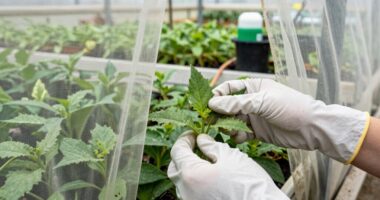
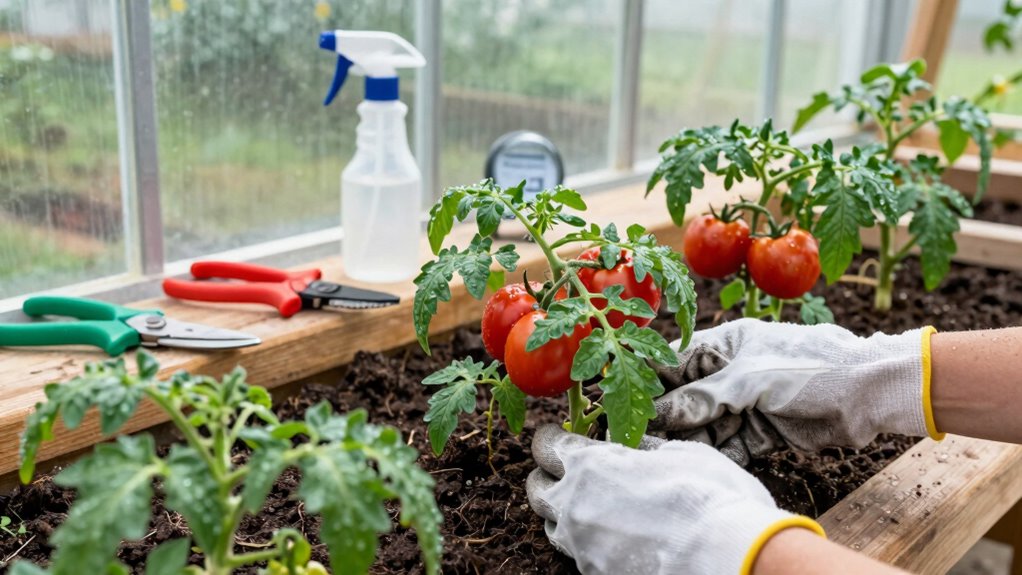
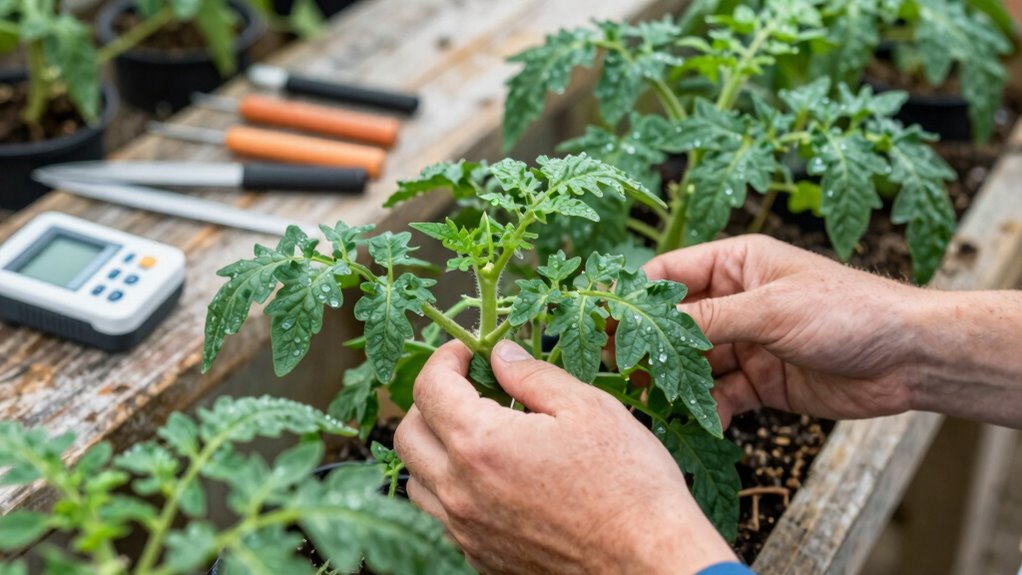
Pest management is essential because pests can quickly spread and cause significant damage to your plants. You need to stay vigilant, regularly inspecting your crops for signs of pests or disease. Implemented strategies such as biological controls, physical barriers, and the judicious use of pesticides when necessary can significantly reduce pest populations. Keeping your greenhouse clean and clutter-free helps reduce hiding spots for pests, and maintaining proper ventilation discourages the buildup of humid conditions that pests love. By proactively managing pests, you prevent infestations from escalating and protect your investment in healthy plants.
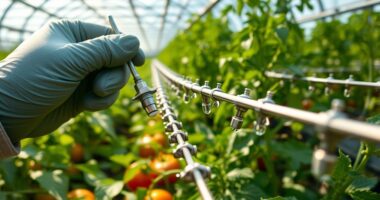
Water conservation is another top priority because water is a vital resource, and waste can be costly. To optimize water use, you should install efficient irrigation systems like drip or micro-sprinklers that deliver water directly to the roots, reducing runoff and evaporation. Regularly checking for leaks and ensuring that your watering schedule matches the plants’ needs helps prevent overwatering, which can lead to root rot and other problems. Incorporate moisture sensors to monitor soil conditions constantly, so you only water when necessary. Not only does this save water, but it also promotes healthier root systems and reduces your operational costs. Additionally, understanding plant water requirements is key to tailoring your watering practices effectively. Developing a comprehensive maintenance plan that includes water management can further support your sustainability goals. Properly managing water use also supports broader sustainable practices that benefit the environment and your long-term success.
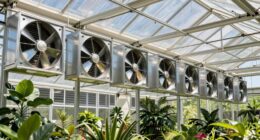
Beyond pest management and water conservation, keeping your greenhouse equipment well-maintained is essential. Regularly clean and calibrate your heating, cooling, and ventilation systems to ensure they’re functioning at peak efficiency. Proper climate control supports your pest management and water conservation efforts by maintaining stable conditions that discourage pests and prevent excessive moisture buildup. Additionally, routine maintenance prevents unexpected breakdowns that could disrupt your growing cycle.
Staying organized and keeping detailed records of your maintenance routines enables you to identify patterns and spot issues early. This discipline allows you to prioritize tasks effectively and respond swiftly to problems before they worsen. Ultimately, your success hinges on how well you balance these maintenance priorities. By focusing on pest management, water conservation, and equipment upkeep, you position yourself to cultivate a healthy, efficient, and sustainable greenhouse environment. This proactive approach not only simplifies daily operations but also ensures long-term productivity and peace of mind.

Mighty Mint Peppermint Oil Plant Protection Spray – Insect & Pest Control for Gnats, Spider Mites & Aphids – Plant-Based, Easy-to-Use – 16 oz
- Plant-Based Pest Protection: Protects against pests and fungi
- Peppermint Oil Formula: Deters pests naturally with peppermint oil
- Safe for People and Pets: Safe when used as directed
As an affiliate, we earn on qualifying purchases.
As an affiliate, we earn on qualifying purchases.
Frequently Asked Questions
How Do I Prioritize Maintenance During Peak Growing Season?
During peak growing season, you should prioritize seasonal planning and pest prevention first. Focus on maintaining ideal environmental conditions and inspecting plants regularly to catch pests early. Schedule routine system checks for irrigation, ventilation, and heating to prevent breakdowns. Address urgent repairs immediately, while planning less critical maintenance during off-peak hours. This way, you guarantee healthy growth and minimize disruptions, keeping your greenhouse running smoothly throughout the busy season.
What Are the Best Tools for Greenhouse Maintenance?
Think of your tools as the gardener’s trusted seeds. A quality irrigation system guarantees your plants stay nourished, while effective pest control tools protect your bounty. Invest in durable hoses, timers, and hand tools like pruners and soil testers. These essentials help you maintain ideal conditions, much like a gardener tending delicate flowers. With the right tools, you keep your greenhouse thriving and your professional confidence blooming.
How Often Should I Inspect Greenhouse Structural Components?
You should inspect your greenhouse’s structural components at least quarterly to guarantee structural integrity. Regularly check for signs of wear or damage, especially around the framework and glazing. Additionally, keep a close eye on ventilation systems during each inspection, ensuring they function properly to maintain ideal airflow. Addressing issues promptly prevents costly repairs and maintains a safe environment for plants and workers alike.
What Are Common Signs of Maintenance Neglect?
You might notice signs of maintenance neglect like poor ventilation, which causes stuffy air and humidity build-up, and pest management issues, such as increased insect activity or disease outbreaks. These signs suggest your greenhouse isn’t functioning at its best. Regular inspections can reveal ventilation problems early, preventing pest infestations. Addressing these issues promptly keeps your greenhouse healthy, ensuring plants thrive and maintenance remains efficient, ultimately supporting your professional success.
How Can Technology Improve Greenhouse Maintenance Efficiency?
Technology can considerably boost your greenhouse maintenance efficiency by integrating systems like automated climate control and pest management. Automated climate control adjusts temperature, humidity, and ventilation in real-time, reducing manual effort and preventing issues before they arise. Incorporating integrated pest management tools helps monitor and control pests efficiently, minimizing chemical use. These technologies streamline your tasks, improve plant health, and save you time and resources, keeping your greenhouse running smoothly.
Conclusion
By prioritizing maintenance tasks effectively, you’ll keep your greenhouse running smoothly and your plants thriving. Remember, regular upkeep can reduce costly repairs and boost productivity in the long run. Did you know that neglecting maintenance can decrease plant yields by up to 30%? Staying on top of your maintenance priorities guarantees a healthy environment and maximizes your greenhouse’s potential. Keep up with your routine, and you’ll enjoy continuous success in your horticultural endeavors.