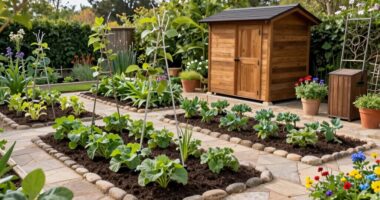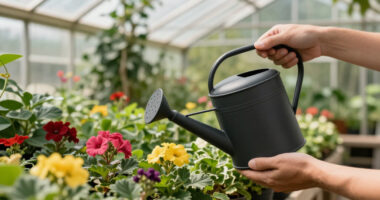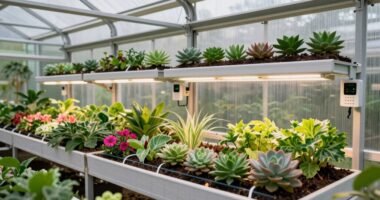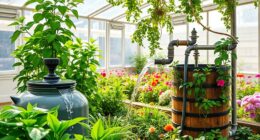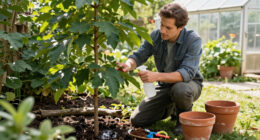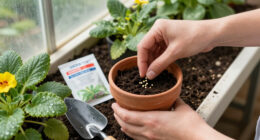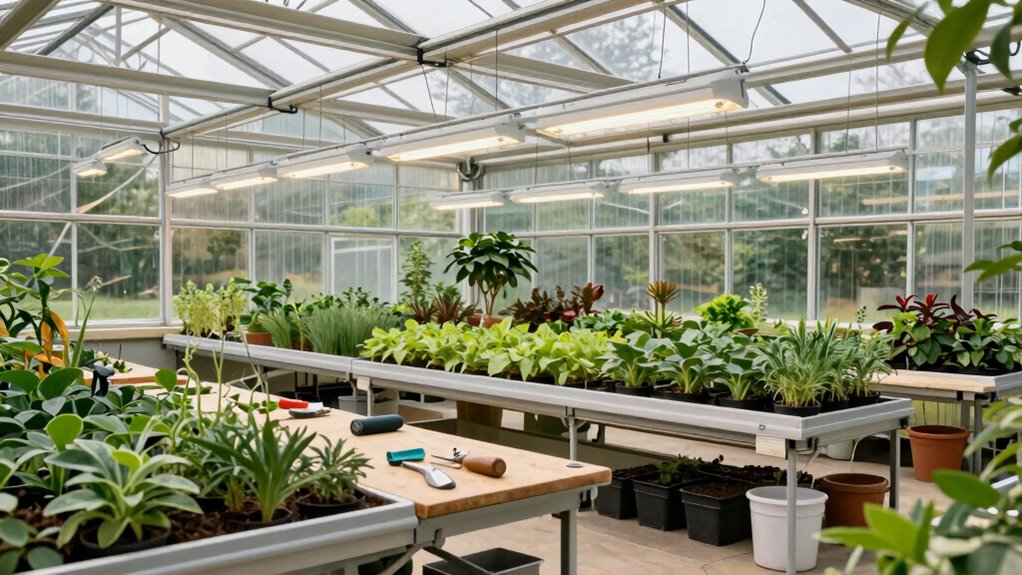
To make workshops and learning sessions easier in a greenhouse, focus on sustainable, modular features like pre-fabricated sections that can be easily rearranged or expanded. Incorporate eco-friendly materials such as recycled plastics and bamboo, which reduce environmental impact and last longer. Use energy-efficient systems for lighting and ventilation, creating a comfortable, safe space. These thoughtful design choices foster an inspiring environment for hands-on learning and sustainable practices—discover more ways to enhance your greenhouse today.

Get garden gear delivered free — and shop member deals
- Fast, free delivery on millions of items
- Access to Prime Big Deal Days deals on October 6–7
- Prime Video, Amazon Music and more included
Key Takeaways
- Modular design allows for flexible, quick reconfiguration of workspaces to suit different workshop activities.
- Sustainable, durable materials create a safe, inviting environment that promotes focus and learning.
- Energy-efficient systems reduce operational disruptions and maintain optimal conditions for plant growth and participant comfort.
- Incorporating adjustable features like movable benches and removable partitions enhances customization for various group sizes.
- Environmentally responsible construction fosters eco-conscious practices and inspires sustainable habits among learners.
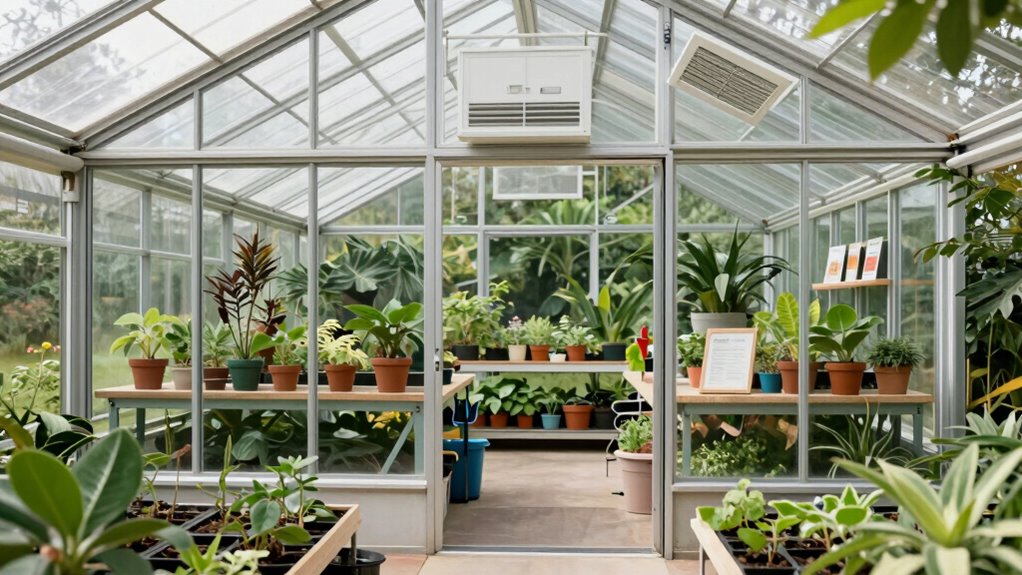
A well-designed greenhouse can be the perfect setting for workshops focused on gardening, sustainable practices, or horticulture. When you create a space that’s both functional and adaptable, you set the stage for engaging, hands-on learning experiences. One of the key features that can elevate your greenhouse for educational purposes is the use of sustainable materials. Choosing eco-friendly, durable resources like recycled plastics, reclaimed wood, or bamboo not only reduces your environmental footprint but also models sustainable practices for participants. These materials often require less maintenance and last longer, making them practical choices that align with the principles you aim to teach. Incorporating sustainable materials into the structure and interior furnishings emphasizes your commitment to environmental responsibility and inspires attendees to contemplate eco-conscious options in their own gardening or farming efforts. Additionally, integrating biodegradable or renewable resources into the design can further demonstrate the importance of sustainable material choices to participants.
Another essential feature is modular design, which allows you to customize your greenhouse layout easily. Modular systems typically consist of pre-fabricated sections that can be rearranged or expanded as needed. This flexibility is invaluable for workshops because it enables you to adapt the space for different activities—whether it’s a small demonstration, a large hands-on session, or a series of classes. You can quickly reconfigure workstations, seating arrangements, or demonstration areas without extensive downtime or renovation. This adaptability encourages a more dynamic learning environment where you can respond to the specific needs of each group or topic. Additionally, modular components often come with integrated features like adjustable shelves, movable benches, or removable partitions, which streamline setup and cleanup, saving you time and effort.
The combination of sustainable materials and modular design also plays a role in creating an inviting, safe space that fosters learning. You want participants to feel comfortable and inspired, knowing they’re in a thoughtfully constructed environment that prioritizes health and sustainability. Proper insulation, natural ventilation, and energy-efficient systems—integrated seamlessly into the design—further enhance the learning experience. When your greenhouse features these thoughtfully chosen design elements, it becomes more than just a place to grow plants; it transforms into an inspiring hub for education, where sustainable practices are demonstrated, learned, and celebrated. Considering energy-efficient systems as part of your design can significantly reduce operating costs and environmental impact over time. By focusing on these features, you guarantee your workshops are engaging, adaptable, and aligned with the ideals of sustainability, making your greenhouse a true center for horticultural education.
As an affiliate, we earn on qualifying purchases.
Frequently Asked Questions
How Energy-Efficient Are Modern Greenhouse Features for Workshops?
Modern greenhouse features are quite energy-efficient, especially with solar shading and thermal insulation. Solar shading reduces heat gain during hot days, lowering cooling needs, while thermal insulation keeps warmth in during colder months. These technologies work together to minimize energy consumption, making your workshops more sustainable and cost-effective. By adopting these features, you guarantee a comfortable environment year-round without relying heavily on external heating or cooling systems.
Can Greenhouse Features Be Customized for Specific Workshop Needs?
Yes, you can tailor greenhouse features to fit your workshop needs like a bespoke suit. Imagine customized ventilation that breathes with your plants’ rhythm, and adjustable shelving that rises and falls as your projects demand. This flexibility allows you to create an environment perfectly suited to your work, making your workshop more efficient, comfortable, and inspiring. With these personalized touches, your greenhouse becomes a nurturing space designed uniquely for you.
What Safety Measures Are Integrated Into Greenhouse Workshop Designs?
You’ll find safety measures like advanced ventilation systems to prevent overheating and guarantee fresh air, reducing health risks. Pest control is integrated through sealed entry points and natural deterrents, keeping pests out and maintaining a safe environment. These features protect both your plants and workshop participants, creating a safe, comfortable space that promotes learning and productivity while minimizing health hazards and pest-related issues.
How Do Greenhouse Features Impact Long-Term Maintenance Costs?
Greenhouse features substantially impact your long-term costs—like a costly soap opera, but with fewer dramatic plot twists. You’ll see savings through cost reduction strategies, such as durable materials that stand the test of time. Enhanced durability means fewer repairs and replacements, keeping maintenance costs low. So, investing in quality features today transforms your greenhouse into a cost-effective, long-lasting haven, giving you more time to enjoy your thriving plants instead of fixing broken ones.
Are There Any Eco-Friendly Materials Used in Greenhouse Construction?
Yes, many greenhouses use eco-friendly materials in construction. You’ll find recycled materials, like reclaimed wood and recycled plastics, integrated into their design. These choices support sustainable design by reducing waste and conserving resources. Using eco-friendly materials not only minimizes environmental impact but also enhances the greenhouse’s efficiency and durability. By choosing sustainable options, you help promote environmentally responsible practices while creating a healthy, productive environment for learning and workshops.
Conclusion
So, next time you’re inside a greenhouse designed for workshops, remember—you’re surrounded by features that make learning easier, yet it’s easy to forget how much effort went into creating such a perfect space. Ironically, the very tools meant to simplify your experience might make you wonder how you ever learned without them. But don’t worry, with these features, you’ll be a pro in no time—just don’t forget to enjoy the process!
Fall Picks
fall essentials
As an affiliate, we earn on qualifying purchases.