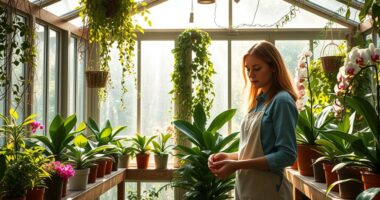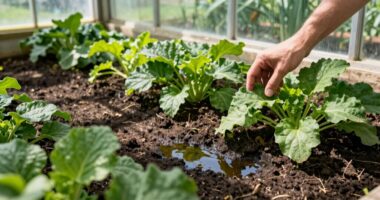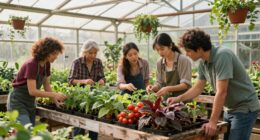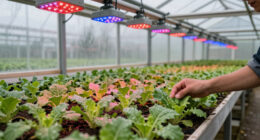
To start a community greenhouse project, first identify local interest and gather volunteers by promoting the benefits of sustainable design. Engage the community in decision-making, guaranteeing their needs and values shape the project. Focus on eco-friendly materials, energy efficiency, and natural ventilation to minimize environmental impact. Organize training and foster inclusivity to boost active participation. Building strong community bonds and long-term planning will help your greenhouse thrive—discover more tips to secure your project’s success.

Get garden gear delivered free — and shop member deals
- Fast, free delivery on millions of items
- Access to Prime Big Deal Days deals on October 6–7
- Prime Video, Amazon Music and more included
Key Takeaways
- Assess local community interest and gather volunteers to ensure support and diverse participation.
- Develop a sustainable design plan incorporating eco-friendly materials, natural ventilation, rainwater harvesting, and solar lighting.
- Engage community members in decision-making, offering training and encouraging feedback throughout the project.
- Collaborate with volunteers to plan construction, assigning roles and ensuring adherence to sustainability principles.
- Promote long-term maintenance, community ownership, and environmental responsibility to maximize positive impact.
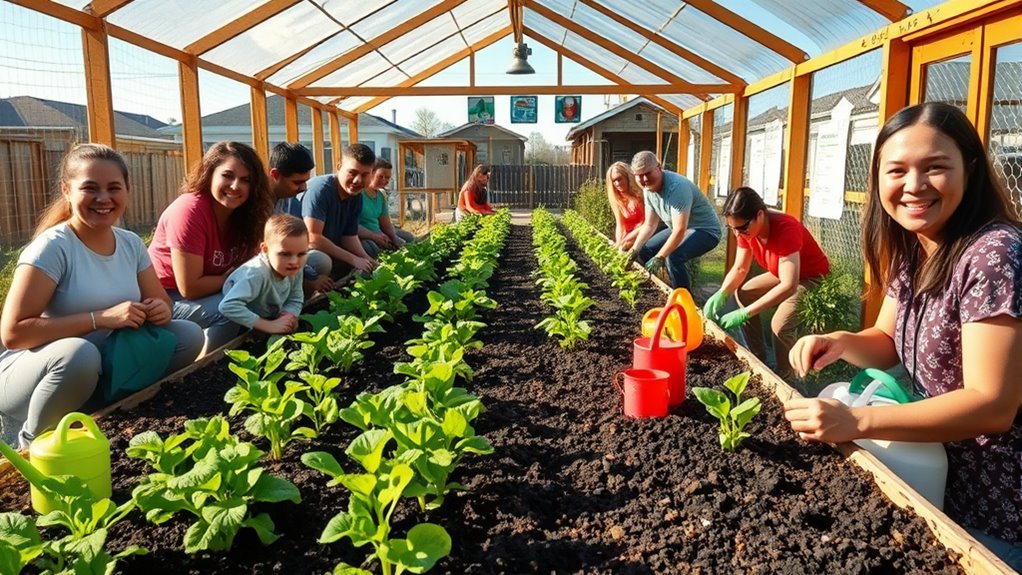
Initiating a community greenhouse project begins with identifying local interest and gathering a dedicated group of volunteers. Once you’ve gauged enthusiasm, it’s essential to focus on sustainable design principles. This means planning a structure that minimizes environmental impact, uses eco-friendly materials, and maximizes energy efficiency. Incorporate rainwater harvesting, natural ventilation, and solar lighting wherever possible to reduce reliance on external resources. By prioritizing sustainability from the start, you ensure the greenhouse remains environmentally responsible and cost-effective over time. Engaging volunteers early in the design process boosts their sense of ownership and ensures diverse ideas are considered, fostering a collaborative atmosphere. Their input can help identify local resources, suitable materials, and innovative solutions that align with eco-friendly practices, making the project more resilient and community-centered.
Volunteer engagement is the backbone of your greenhouse’s success. You want to create opportunities for community members to get involved at every stage, from planning and construction to ongoing maintenance. Clear communication about roles and expectations encourages participation, making volunteers feel valued and motivated. Organize training sessions to teach sustainable gardening practices, basic construction skills, and the importance of eco-conscious design. When volunteers see their contributions making a tangible difference, it deepens their commitment. Promote inclusivity by reaching out to diverse groups—schools, local clubs, and neighborhood associations—to build a broad support network. The more engaged your volunteers are, the more sustainable and resilient your project becomes. Their collective effort not only speeds up construction but also fosters a sense of shared purpose that extends beyond the greenhouse itself.
Involving volunteers in decision-making around sustainable design enhances their understanding of environmental issues and strengthens community bonds. As the project progresses, continue to seek feedback and adapt accordingly. This participatory approach ensures the greenhouse reflects community needs and values, making it a cherished space for years to come. Keep volunteers motivated with regular updates on the project’s progress and celebrate milestones together. Recognize their efforts publicly to reinforce their importance and inspire continued involvement. By combining a focus on sustainable design with active volunteer engagement, you create a community greenhouse that’s environmentally responsible, well-supported, and rooted in the collective spirit of those who helped bring it to life. This collaborative foundation makes the project more likely to thrive long-term, benefiting both the environment and the community. Incorporating sustainable design principles from the outset can significantly enhance the project’s longevity and positive impact.
community greenhouse building materials
As an affiliate, we earn on qualifying purchases.
As an affiliate, we earn on qualifying purchases.
Frequently Asked Questions
How Do I Find Funding for My Community Greenhouse Project?
You can find funding for your community greenhouse project by exploring grant opportunities from local governments, nonprofits, and environmental organizations. Additionally, develop effective fundraising strategies like hosting events, crowdfunding campaigns, and seeking donations from community members. Reach out to potential sponsors and partners who share your vision. Combining these approaches increases your chances of securing the necessary funds, ensuring your project gets off the ground smoothly.
What Permits Are Required to Build a Community Greenhouse?
You need to check local zoning regulations and building codes before building your community greenhouse. Visit your city or county’s planning department to find out if you need a permit or special approval. You might also need to submit plans for review. Ensuring compliance early helps prevent delays or fines, so make sure to confirm all requirements and get necessary permits before starting construction.
How Can I Recruit Volunteers and Community Members?
Imagine a vibrant garden bursting with energy—this is where you start. You can recruit volunteers and community members through targeted volunteer outreach, like flyers, social media, and local events. Share your passion for sustainable growth and community benefits to spark excitement. Engage neighbors by hosting open house days or planting workshops, creating a sense of ownership. Your active community engagement transforms strangers into dedicated greenhouse supporters, flourishing together.
What Are the Best Locations for a Community Greenhouse?
You should choose locations with ample sunlight for urban farming, ideally open spaces or rooftops that get plenty of solar energy. Look for areas with easy access for volunteers and community members, close to public transportation, and with minimal shading from buildings or trees. Prioritize sites that can support sustainable practices, like solar-powered greenhouse systems, to maximize energy efficiency and foster community engagement in urban farming.
How Do I Ensure Long-Term Sustainability of the Project?
To guarantee your community greenhouse thrives long-term, focus on fostering ongoing community engagement and minimizing environmental impact. Keep volunteers motivated, involve local schools, and hold regular events to build a sense of ownership. Use sustainable practices like rainwater harvesting and composting to reduce environmental impact. By nurturing strong relationships and caring for the environment, your project will become a resilient, cherished part of the community for years to come.
Conclusion
Starting a community greenhouse is like planting the seeds of hope and growth in your neighborhood. With passion and teamwork, you’ll nurture not just plants, but connections and skills that bloom year-round. Remember, every big forest starts with a small seed—your project could be the spark that transforms your community into a lush, vibrant oasis. So roll up your sleeves, believe in your vision, and watch your community flourish like a garden in full bloom.
Fall Picks
fall essentials
As an affiliate, we earn on qualifying purchases.