Community greenhouses are transforming urban spaces into vibrant, productive environments by using renewable energy like solar and wind power. They enable year-round gardening, grow fresh produce, and reduce reliance on stores. These initiatives promote sustainability, foster community engagement, and support local economies. With innovative farming techniques, they create resilient, eco-friendly neighborhoods. If you want to see how these green spaces can help neighborhoods thrive and inspire more success stories, stay with us to learn more.
Key Takeaways
- Communities use greenhouses with renewable energy to enable year-round crop production, boosting local food security.
- Urban greenhouses transform small city spaces into productive gardens, increasing yields and promoting healthier eating.
- Greenhouses foster community engagement and education, teaching sustainable farming and eco-friendly practices.
- They generate economic benefits by reducing energy costs, creating local markets, and supporting small-scale entrepreneurship.
- Greenhouse success stories demonstrate environmental resilience and inspire sustainable urban development practices.
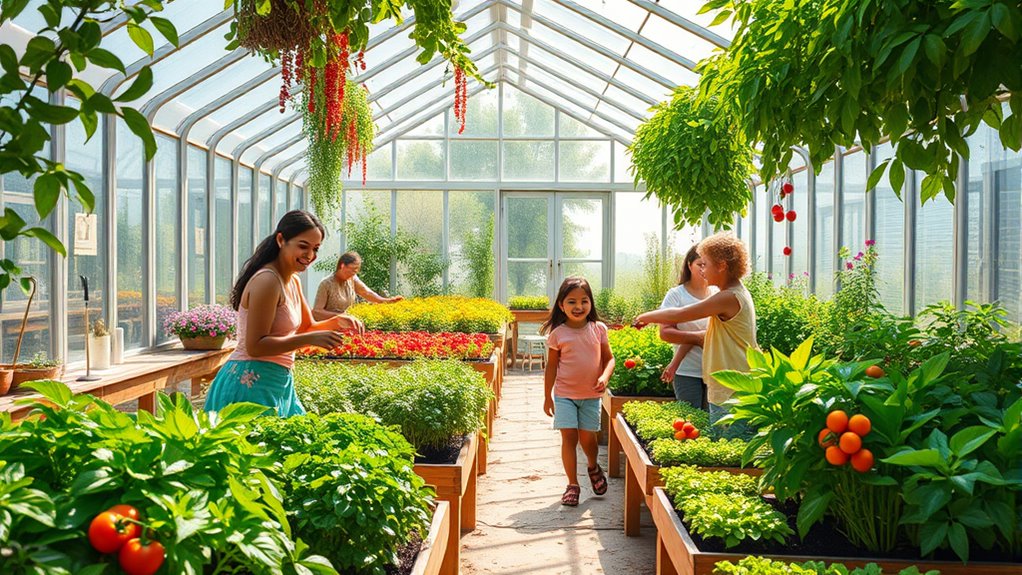
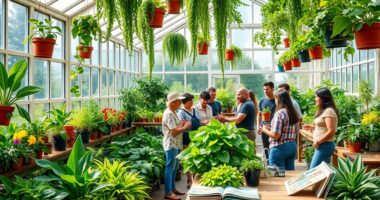
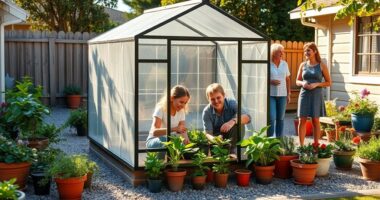
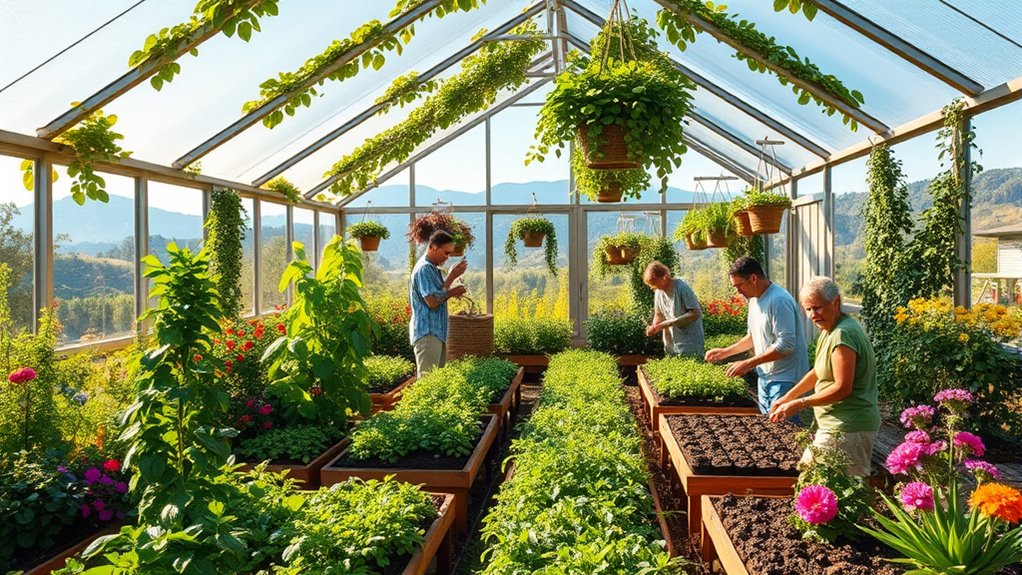
Greenhouses have transformed gardening and farming by enabling year-round growth and increasing yields. When you step into a community greenhouse, you immediately notice how it becomes a hub for urban farming, turning small city spaces into productive, lush gardens. These greenhouses break down the barriers of seasonal limitations, allowing residents to grow fresh vegetables, herbs, and even fruits regardless of the weather outside. The impact is profound: communities gain access to healthier food options, reduce their reliance on store-bought produce, and foster a sense of shared purpose.
One of the most compelling aspects of these greenhouses is their integration of renewable energy. Instead of relying on traditional power sources, many community greenhouses harness solar panels or wind turbines to generate the energy needed for heating, lighting, and ventilation. This not only cuts costs but also demonstrates a commitment to sustainability, inspiring residents to adopt eco-friendly practices in their daily lives. By utilizing renewable energy, these greenhouses become models of environmentally conscious urban farming, proving that sustainable solutions can thrive in city landscapes. You see how solar-powered systems provide consistent light and warmth, extending growing seasons and ensuring crops remain healthy and productive year-round. This approach reduces the greenhouse’s carbon footprint while empowering communities to take control of their food production.
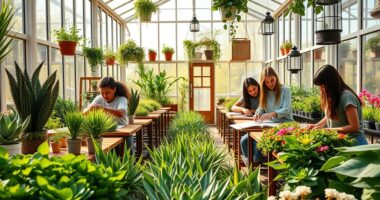
As you explore these success stories, you realize that greenhouses do more than just produce food; they foster community engagement and education. Schools and local organizations often partner with greenhouse projects, teaching residents about sustainable farming techniques and renewable energy benefits. This educational aspect helps cultivate a new generation of environmentally aware citizens who understand the importance of renewable energy and responsible farming. *furthermore*, the accessibility of urban farming in greenhouses encourages participation from diverse groups, including those with limited land or resources, making sustainable food production more inclusive. Additionally, incorporating solar panel installation and maintenance knowledge can optimize the energy efficiency of these greenhouses and further enhance their sustainability.
The economic benefits are also significant. With higher yields and lower energy costs thanks to renewable energy, community greenhouses can generate income or reduce expenses for local residents. Some greenhouses even create small markets or cooperatives where members sell surplus produce, fostering local economies. As you witness these success stories unfold, it’s clear that greenhouses are more than just structures—they’re catalysts for resilient, sustainable, and self-sufficient communities. By blending urban farming with renewable energy, they demonstrate how innovative solutions can transform city landscapes into thriving green spaces that nourish both people and the planet.
Frequently Asked Questions
How Do Greenhouses Impact Local Biodiversity?
Greenhouses can positively impact local biodiversity by creating pollinator habitats that attract bees and butterflies, supporting ecosystem health. However, if not managed carefully, they might introduce invasive species that threaten native plants and animals. You should monitor and control plant varieties to prevent invasives from spreading. Properly maintained greenhouses can enhance biodiversity by providing safe spaces for beneficial insects and local flora, boosting overall ecosystem resilience.
What Are the Initial Costs of Establishing a Community Greenhouse?
Setting up a community greenhouse is like planting a seed for future growth—exciting but requires investment. The initial costs can seem hefty, usually ranging from $5,000 to $50,000 depending on size, materials, and technology. Your cost estimation should include structure, equipment, and setup. Funding options include grants, community fundraisers, or local government support. With smart planning, you’ll turn that investment into a thriving green oasis.
How Do Greenhouses Adapt to Climate Change Challenges?
You can adapt greenhouses to climate change by incorporating climate resilience features like insulation, ventilation, and shading to protect crops from extreme weather. Implementing adaptive farming techniques, such as adjusting planting schedules and choosing resilient crop varieties, helps maintain productivity. Using renewable energy sources can also reduce environmental impact. These strategies enable your greenhouse to withstand climate challenges and support sustainable, year-round food production.
What Training Is Needed for Community Members to Operate Greenhouses?
Think of it as planting seeds for success—you need proper community training to operate greenhouses effectively. You should learn greenhouse management skills, including climate control, pest management, and sustainable practices. Hands-on workshops, tutorials, and ongoing support are essential. By gaining these skills, you empower community members to run greenhouses confidently, ensuring the community thrives and adapts to changing environmental conditions seamlessly.
Are There Government Grants Available for Greenhouse Projects?
Yes, you can access government funding and grant opportunities for greenhouse projects. Many local, state, and federal programs support community greenhouses to promote sustainable agriculture and food security. To find these grants, explore government websites and contact relevant agencies. Applying for these grants often requires a detailed proposal, demonstrating how your project benefits the community. Securing funding can greatly help cover startup costs and ensure your greenhouse thrives.
Conclusion
As you step back and see these greenhouses flourish, they become symbols of hope and resilience. Like glass shields shielding fragile life, they remind you that with care and innovation, communities can grow stronger together. Each thriving plant reflects your potential to nurture change, turning barren spaces into vibrant havens. Just as sunlight transforms seeds into blooms, your efforts can illuminate pathways to a brighter, sustainable future for all.