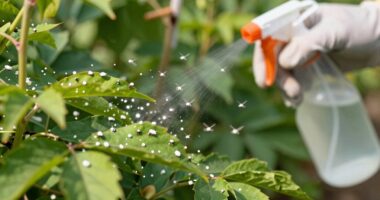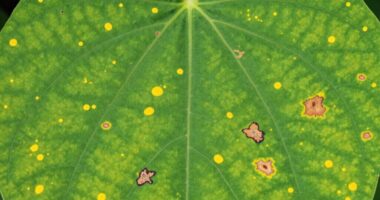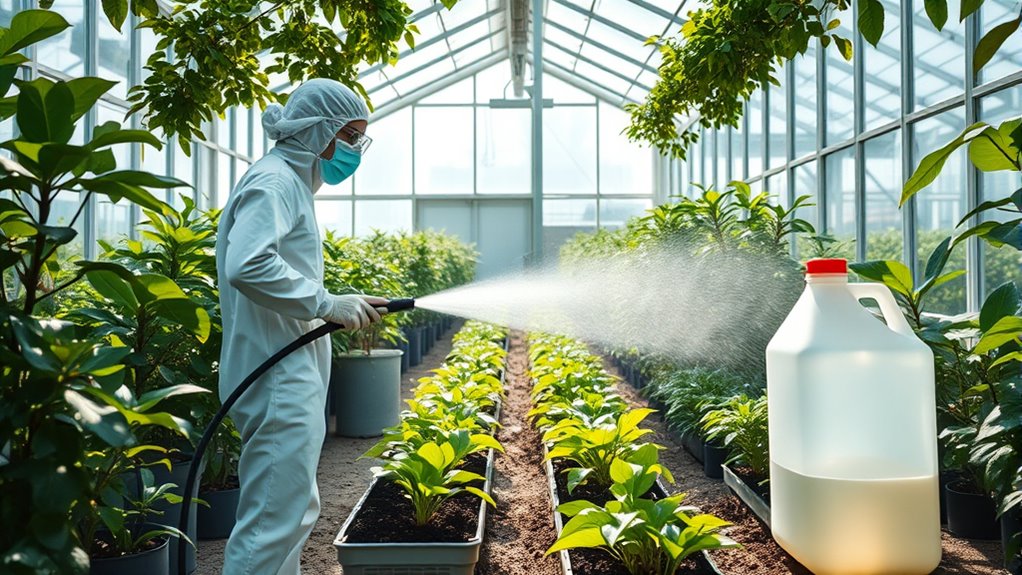

To deep clean your greenhouse after a plant disease, start by removing infected plants and debris away from the space. Thoroughly disinfect surfaces like benches, floors, and tools using bleach solutions or commercial disinfectants, and guarantee good ventilation to reduce humidity. Consider soil sterilization methods such as solarization or steaming to eliminate pests and pathogens. Regular monitoring and combining pest control with sanitation measures will help prevent future outbreaks—continue exploring for more effective disinfection strategies.
Key Takeaways
- Remove and properly dispose of all infected plant material to prevent disease spread.
- Thoroughly clean and disinfect all surfaces, tools, and containers with suitable disinfectants.
- Sterilize soil using methods like solarization, steaming, or chemical treatments based on contamination severity.
- Ensure proper ventilation and dry surfaces completely to inhibit pathogen survival and fungal growth.
- Implement ongoing pest control and monitor plants regularly to catch and address potential re-infestations early.
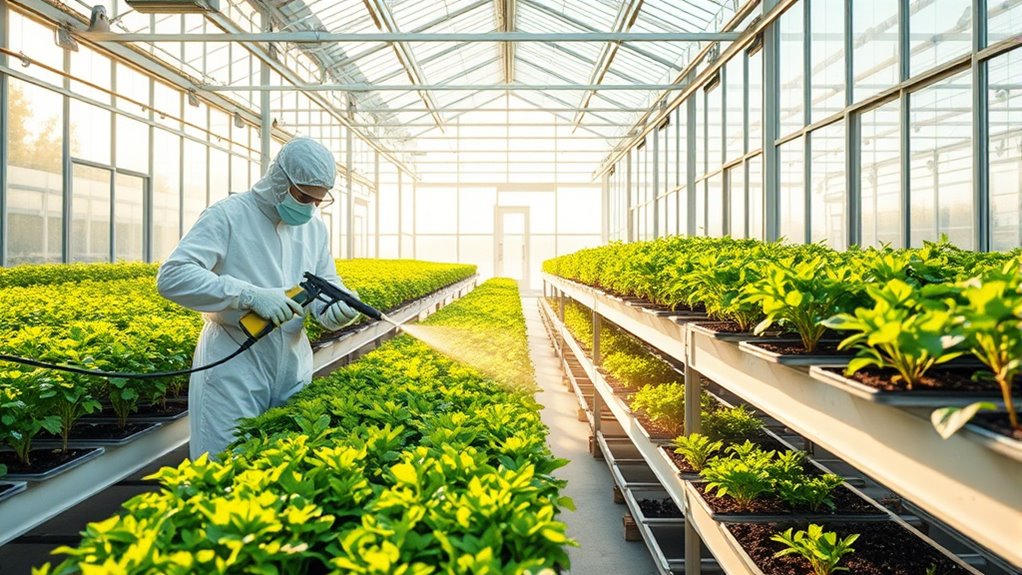
Have you ever wondered how to keep your greenhouse free from harmful pests and diseases? One of the most effective ways to do this is through proper greenhouse disinfection, especially after a plant disease outbreak. When contamination occurs, it’s essential to take thorough steps to eliminate pathogens and prevent future problems. A key aspect of this process is soil sterilization, which helps break the cycle of disease and pest infestations. By sterilizing your soil, you remove residual fungi, bacteria, and pests lurking beneath the surface, reducing the chances of recurrence. You can achieve this through methods like solarization, steaming, or chemical treatments, depending on your setup and the severity of contamination. Soil sterilization acts as a foundation for pest control because it stops pests from finding a safe haven in your soil, limiting their ability to reinfest your plants.
In addition to soil sterilization, exhaustive pest control measures are essential. After detecting a disease, it’s crucial to identify and eliminate pests that may be vectors or secondary pests. Start by removing all infected plant material, and dispose of it away from your greenhouse to prevent spreading. Then, thoroughly clean all surfaces, tools, and containers to eliminate any lingering pests or eggs. Using targeted insecticidal sprays or biological controls can help suppress pest populations, but always ensure these interventions are compatible with your plants and environment. Regular monitoring becomes even more important after a disease outbreak, as pests can quickly reestablish if left unchecked. Implementing physical barriers, like insect screens, can also reduce pest entry and protect your plants long-term. Incorporating Vetted electric bike kits into your transportation can help reduce greenhouse emissions and promote sustainable practices.
Disinfection doesn’t stop with just soil sterilization and pest control. You should also disinfect all greenhouse surfaces, including benches, floors, and walls. Using appropriate disinfectants like bleach solutions or commercial disinfectants kills pathogens on contact. Remember to follow safety guidelines when handling chemicals, and allow surfaces to dry completely before reintroducing plants. Ventilation plays a critical role in reducing humidity and moisture levels, which are conducive to disease development. Good air circulation helps prevent fungal spores and bacteria from settling, creating an environment less hospitable to pests and diseases.
Taking these steps systematically ensures your greenhouse stays healthy and productive. Soil sterilization eliminates the root of many problems, while pest control curtails their spread and impact. Regular disinfection routines, combined with vigilant monitoring, safeguard your plants against future outbreaks. This proactive approach not only protects your investment but also promotes robust plant growth, giving you peace of mind knowing your greenhouse environment is as clean and disease-free as possible.

EAGLE PEAK 8x6 Portable Walk in Greenhouse, Pop Up Indoor Outdoor Greenhouse, Green House Kit with Zippered Roll-Up Doors and Windows, PE Cover, Clear/Green
PATENTED CENTER LOCK: Quick, easy setup. This pop up greenhouse with patented center lock technology supports one person...
As an affiliate, we earn on qualifying purchases.
Frequently Asked Questions
How Often Should I Disinfect My Greenhouse?
You should disinfect your greenhouse every few months or immediately after a plant disease outbreak. Regular disinfection helps prevent pests and disease spread, especially between fertilizer applications. After harvesting or noticing pests, deep clean thoroughly to eliminate any residual pathogens. Proper pest management also involves routine cleaning, so stay consistent. This proactive approach keeps your greenhouse healthy, reduces chemical use, and promotes ideal plant growth.
What Disinfectants Are Safest for Plants?
Think of choosing disinfectants like selecting gentle rain for your plants. You want plant-safe chemicals that won’t harm your crops. Organic disinfectant options are a great choice—they’re natural and effective. Look for solutions labeled as safe for plants, and avoid harsh chemicals. These options help keep your greenhouse clean without risking damage, ensuring your plants stay healthy and thriving after disinfection.
Can Organic Methods Effectively Disinfect Greenhouse Surfaces?
Yes, organic methods can effectively disinfect greenhouse surfaces if you use proper techniques. Organic sanitization involves surface cleaning with natural agents like vinegar, hydrogen peroxide, or essential oils, which help reduce pathogens. You should thoroughly clean surfaces first, removing debris, then apply these organic solutions to disinfect. Regular surface cleaning with organic sanitization methods can maintain a healthy environment and prevent disease spread without harming your plants or the ecosystem.
How Do I Prevent Future Plant Disease Outbreaks?
You can prevent future plant disease outbreaks by consistently practicing soil sterilization to eliminate pathogens and using pest monitoring to catch issues early. Regularly inspect plants for signs of pests or disease, and keep your greenhouse clean and well-ventilated. Implementing these proactive steps helps break the disease cycle, ensuring healthier plants and reducing the risk of recurrence. Stay vigilant, and you’ll maintain a thriving, disease-free environment.
What Are the Signs of Ineffective Disinfection?
You’ll notice ineffective disinfection if symptoms reappear or new infections emerge quickly despite cleaning. Pathogen resistance can develop if surface sterilization techniques aren’t thorough or consistent. Signs include persistent spots, mold, or wilting plants. To confirm, check if your cleaning methods eliminated all surface contaminants. If problems persist, review your sterilization techniques, ensuring you use appropriate disinfectants and proper contact times to effectively neutralize resistant pathogens.
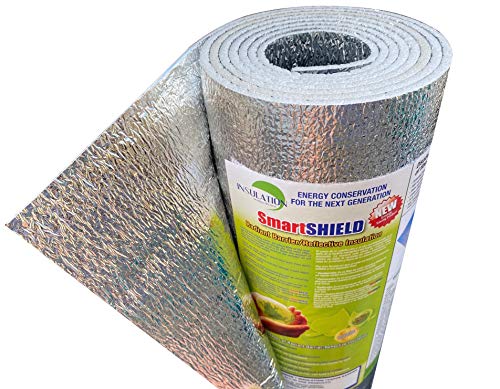
INSULATION MARKETPLACE SmartSHIELD -3mm 16inx10Ft ReflectiveINSULATION roll, Foam Core Radiant Barrier, ThermalINSULATION Shield - Engineered Foil
EXTREMELY EFFECTIVE - reflect 95% of radiant energy, perfect RADIANT BARRIER.
As an affiliate, we earn on qualifying purchases.
Conclusion
To keep your greenhouse thriving and disease-free, thorough disinfection is essential. Don’t underestimate the power of a deep clean—it’s like giving your plants a fresh start on life. By following these steps diligently, you’ll wipe out even the tiniest pathogens lurking in every corner. Remember, a spotless greenhouse isn’t just clean; it’s a fortress against plant diseases that can devastate your garden. Stay vigilant, and your plants will thank you with vibrant, healthy growth!

4 Tier Mini Greenhouse - Portable Greenhouse with Locking Wheels and PVC Cover for Indoor or Outdoor - 27 x 19 x 63-Inch Green House by Pure Garden
4-TIER GREENHOUSE KIT - The 4 tiers of sturdy shelving in this small greenhouse are 27-inches-wide, have 14-inches...
As an affiliate, we earn on qualifying purchases.

VEVOR Walk-in Tunnel Greenhouse, 19.4x9.7x6.5 ft Hoop House Greenhouse Tunnel, Plant Hot House with Galvanized Steel Frame, White PE Cover, Roll-up Zipper Door and 12 Windows for Outdoor
High Strength and Stability: The tunnel greenhouse uses reinforced galvanized pipes (Diameter: 1", Wall Thickness: 0.02") to enhance...
As an affiliate, we earn on qualifying purchases.