To introduce new plants safely into your greenhouse, establish a dedicated quarantine area away from your main setup. Carefully inspect each plant for pests, diseases, or damage upon arrival, and monitor them regularly during the quarantine period. Sanitize tools and avoid cross-contact with existing plants to prevent contamination. Maintaining detailed records of the plants and their health status is also essential. Following these practices helps you protect your greenhouse’s overall health—keep going to find out more methods to strengthen your biosecurity.
Key Takeaways
- Isolate new plants in a separate, well-ventilated area away from existing greenhouse plants.
- Conduct thorough inspections for pests, diseases, and physical damage upon arrival.
- Sanitize tools and hands before handling quarantined plants to prevent contamination.
- Monitor plants regularly during quarantine for any signs of health issues or pests.
- Maintain detailed records of plant sources, inspection results, and health status for future reference.

Have you ever wondered how quarantine practices help prevent the spread of infectious diseases? When you introduce new plants to your greenhouse, quarantine becomes a pivotal step in safeguarding your entire operation. It’s all about pathogen prevention—stopping harmful organisms from infiltrating your established environment. By isolating new plants during a designated period, you create a buffer zone that allows you to monitor and identify any issues before they can infect your existing collection.
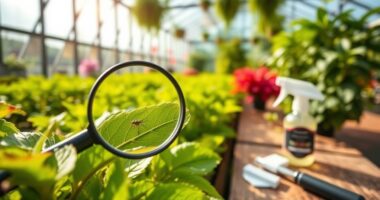
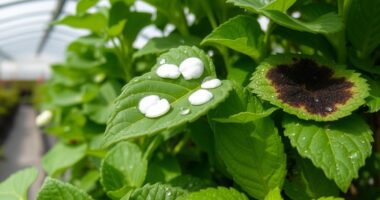
Plant inspection plays a essential role in this process. As soon as new plants arrive, you should thoroughly examine them for signs of pests, diseases, or abnormalities. Look closely at leaves, stems, and roots for discolorations, spots, or deformities. This initial inspection helps catch potential threats early, reducing the risk of contamination. Remember, some pathogens can be asymptomatic initially, so it’s wise to keep new plants under observation even after the first inspection. During this period, you should also check for any physical damage that might make plants more susceptible to infections.
Thoroughly examine new plants for pests, diseases, and damage to prevent contamination and ensure healthy growth.
Implementing a strict quarantine protocol involves more than just inspecting the plants. You should keep new arrivals in a separate, well-ventilated area away from your main greenhouse. This separation minimizes the chance of pathogens spreading through air currents, water, or contact. Regular monitoring during the quarantine period is essential—you need to observe any changes in plant health and be prepared to take immediate action if problems arise. This ongoing scrutiny isn’t just about catching issues early; it’s about maintaining control and ensuring that no hidden threats slip through unnoticed.
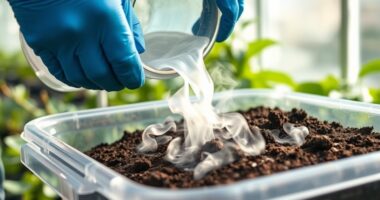
Effective pathogen prevention through quarantine also involves proper sanitation. Disinfect your tools and hands before handling new plants, and avoid sharing equipment between quarantined plants and those already in your greenhouse. Sometimes, even seemingly minor contamination can have serious repercussions. Additionally, it’s a good idea to keep detailed records of each plant’s origin, inspection results, and health status during quarantine. This documentation can be invaluable if you need to trace the source of a problem later on.
Ultimately, quarantine is a proactive measure that protects your greenhouse’s health and productivity. It might require extra effort upfront, but it’s worth it to avoid the devastating consequences of introducing a widespread infection. Incorporating proper lighting and environment control can also promote healthier plants during quarantine, reducing stress and susceptibility to disease. By combining diligent plant inspection with a solid quarantine protocol focused on pathogen prevention, you create a safer environment—one where your plants can thrive without the threat of unseen enemies lurking in the background.
Frequently Asked Questions
How Long Should a Quarantine Period Last for New Plants?
You should quarantine new plants for at least 2 to 4 weeks, following quarantine duration guidelines to guarantee plant health monitoring. During this period, observe for pests, diseases, or stress signs. Keep them separate from your existing plants, and regularly check for any issues. This practice helps prevent contamination and maintains your greenhouse’s overall health, ensuring your entire collection stays healthy and thriving.
What Signs Indicate a Plant Is Diseased During Quarantine?
You should look for symptom identification and disease markers that indicate a plant is diseased during quarantine. Watch for discolored leaves, spots, wilting, or unusual growth patterns. Check for lesions, mold, or sticky residues on stems and leaves. Pay attention to any signs of pests or abnormal sap flow. If you notice these symptoms, isolate the plant immediately to prevent disease spread and consider consulting a plant health expert.
Can Quarantine Procedures Prevent All Plant Pests and Diseases?
Think of quarantine as a fortress guarding your greenhouse; it can’t guarantee 100% protection, but it’s your best defense. Preventive measures like careful pest identification and monitoring greatly reduce the risk of pests and diseases slipping in. However, some can still bypass defenses, so regular inspections are essential. Quarantine markedly lowers threats, but staying vigilant ensures you catch issues early before they spread.
How Should Quarantine Areas Be Disinfected Between Plant Inspections?
You should disinfect quarantine areas by following strict disinfection protocols and sanitation procedures. First, remove any plant debris and dispose of it properly. Then, clean all surfaces with a suitable disinfectant, paying close attention to tools and containers. Allow the disinfectant to sit for the recommended contact time before wiping down or rinsing. Regularly disinfect your quarantine space to prevent the spread of pests and diseases between inspections.
Are There Specific Environmental Conditions Recommended for Quarantine Zones?
Think of your quarantine zone as a delicate greenhouse bubble that needs perfect conditions. You should maintain moderate humidity levels and guarantee good air circulation to prevent disease buildup. Avoid extreme temperatures, which can stress plants and make them vulnerable. Consistent humidity control and proper air flow act like a gentle breeze, helping your quarantine area stay healthy and secure, reducing the risk of pathogens spreading to your main greenhouse.
Conclusion
By following proper quarantine practices, you protect your greenhouse like a vigilant gardener shielding delicate flowers from harm. Taking the time to isolate new plants ensures you’re catching any pests or diseases early, preventing them from spreading like wildfire. Remember, patience now saves you headaches later. Treat quarantine as an essential step—just as a strong foundation supports a sturdy house—so does it secure the health of all your beloved plants.