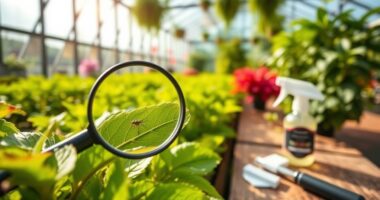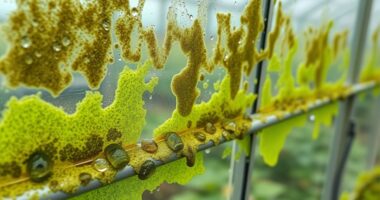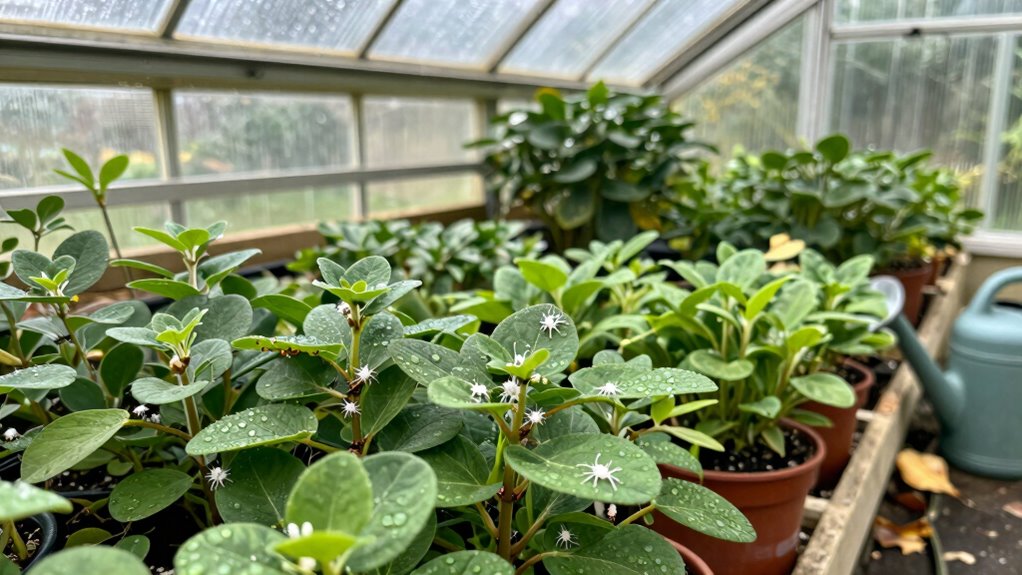

You might be inviting pests unwittingly by poor companion planting, such as placing susceptible crops next to pest-attracting plants. Neglecting natural predators by overusing broad-spectrum insecticides or not encouraging beneficial insects can promote pest growth. Overwatering creates damp spaces for fungus gnats and mold, while leftover debris and clutter hide pests and diseases. Additionally, inadequate airflow and ventilation allow humidity to rise, making pests feel at home. Keep discovering more ways to improve your greenhouse environment.

Get garden gear delivered free — and shop member deals
- Fast, free delivery on millions of items
- Access to Prime Big Deal Days deals on October 6–7
- Prime Video, Amazon Music and more included
Key Takeaways
- Plant susceptible crops next to pest-attracting plants, creating an inviting environment for infestations.
- Overwatering and high humidity promote pests like fungus gnats and mold growth.
- Neglecting sanitation allows dead leaves and debris to harbor pests and diseases.
- Poor ventilation and stagnant air increase humidity, encouraging pest and fungal development.
- Not encouraging natural predators or using broad-spectrum insecticides disrupts ecological pest control.
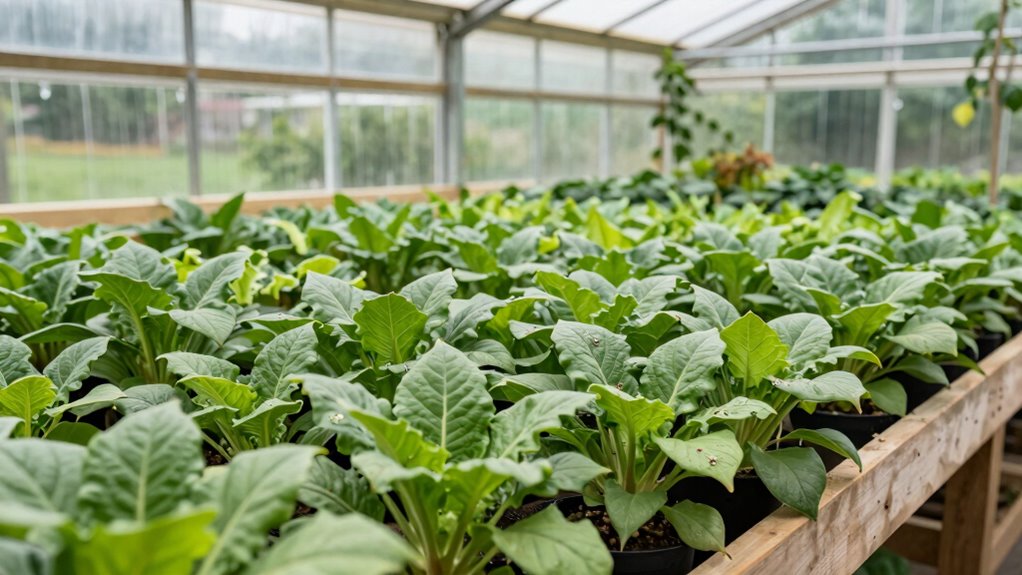
Greenhouses can be a haven for pests if you’re not careful about your habits. When you overlook proper plant management, pests can quickly find a cozy environment to thrive. One common mistake is planting certain crops together without considering their compatibility. If you don’t practice companion planting thoughtfully, you might inadvertently create an inviting space for pests. For example, planting susceptible plants next to those that attract pests can lead to infestations spreading rapidly. Instead, you should learn which plants naturally deter pests or support beneficial insects. Incorporating companion planting strategies helps keep pests in check naturally, reducing your reliance on chemical controls.
Another habit that invites pests is neglecting the presence and role of natural predators. If you don’t foster a balanced ecosystem within your greenhouse, pests can multiply unchecked. Natural predators like ladybugs, predatory mites, and certain parasitic wasps prey on common pests such as aphids, whiteflies, and spider mites. By encouraging these beneficial insects—perhaps by planting nectar-rich flowers or avoiding broad-spectrum insecticides—you create a natural defense system. Ignoring this approach often leads to pest outbreaks, as pests find the environment favorable and predators are absent or wiped out.
Foster natural predators like ladybugs and parasitic wasps to keep pests in check naturally.
Overwatering your plants can also encourage pest problems. Excess moisture creates a damp environment that pests like fungus gnats and mold love. When you overwater, you weaken your plants’ defenses, making them more vulnerable to infestations. Pay attention to watering habits, ensuring you don’t leave standing water or overly moist soil, which can become breeding grounds for pests. Proper watering practices support healthy plants and make it harder for pests to establish a foothold. Additionally, moisture management is essential because excessive humidity can promote pest proliferation and fungal diseases.
Furthermore, poor sanitation habits can turn your greenhouse into a pest magnet. Dead leaves, fallen debris, and plant debris can harbor pests and diseases. If you don’t regularly clean and remove these materials, pests will find plenty of hiding spots and breeding grounds. Maintaining a clean, clutter-free environment is essential. Regularly inspect your plants for early signs of pests or disease, and promptly remove any affected plant parts to prevent an outbreak.
Lastly, neglecting airflow can inadvertently invite pests. Stale, stagnant air favors many pests and diseases. Proper ventilation keeps the environment dry and less hospitable to pests. When you don’t ensure good airflow, humidity levels rise, encouraging pests and fungal issues. Regularly opening vents or using fans can help maintain a balanced, pest-resistant environment.
beneficial insect attractant flowers
As an affiliate, we earn on qualifying purchases.
As an affiliate, we earn on qualifying purchases.
Frequently Asked Questions
How Can I Prevent Pests Without Using Chemical Pesticides?
To prevent pests without chemicals, focus on good compost management and humidity control. Keep your compost bin aerated and avoid overwatering, which can attract pests. Maintain proper humidity levels in your greenhouse by ventilating regularly and using dehumidifiers if needed. These habits reduce pest-friendly conditions, discourage their presence, and promote healthy plant growth naturally, giving you a pest-free environment without relying on pesticides.
Are Certain Plant Varieties More Pest-Resistant in Greenhouses?
Think of your greenhouse as a bustling community where some plant varieties act like shields against pests. Yes, certain pest-resistant cultivars and a diverse mix of plants can turn your greenhouse into a fortress. Plant diversity confuses pests and reduces their spread, while pest-resistant cultivars are like knights, standing guard. Choosing these varieties helps keep pests at bay naturally, creating a healthy, resilient environment without chemical battles.
What Are Natural Predators I Can Introduce to Control Pests?
You can introduce beneficial insects like ladybugs, lacewings, and predatory mites to naturally control pests. These beneficial insects prey on common greenhouse pests such as aphids and whiteflies. Additionally, practice companion planting by pairing pest-repellent plants like marigolds or basil with your crops. This creates an environment that attracts beneficial insects while deterring pests, helping you maintain a healthier greenhouse ecosystem without relying on chemicals.
How Often Should I Inspect My Greenhouse for Pest Issues?
You should inspect your greenhouse weekly to catch pest issues early. Establish a consistent pest monitoring schedule and practice good greenhouse hygiene, like removing debris and cleaning surfaces regularly. During inspections, look closely at plants, undersides of leaves, and soil for signs of pests or damage. Regular checks help prevent infestations from spreading, allowing you to address problems promptly and maintain a healthy, pest-free environment.
Can Lighting Choices Influence Pest Attraction in My Greenhouse?
Your lighting choices can dramatically influence pest attraction, almost like magnetic forces pulling in insects. LED lighting, especially with a broad or specific lighting spectrum, can attract pests by mimicking natural light sources or attracting insect behavior. To minimize pest issues, choose LED lights with a spectrum less appealing to insects, and avoid overly bright or UV-emitting lights that can increase pest attraction, keeping your greenhouse healthier and pest-free.
Conclusion
So, next time you’re tempted to ignore those greenhouse habits that seem harmless, remember—they’re basically pest magnet magnets. A little extra ventilation, proper sanitation, and thoughtful watering might just save you from becoming the unwitting host to an infestation. After all, who needs a pest party in their precious plants? Keep these habits in check, and you’ll be the pest-free greenhouse hero—minus the pest party, of course. Happy gardening!
Fall yard work Picks
leaf blowers
As an affiliate, we earn on qualifying purchases.